
Pet Healthcare Management Faces the Challenge of Data Fragmentation
Traditional Paper Medical Records Are Difficult to Access Quickly in Emergencies
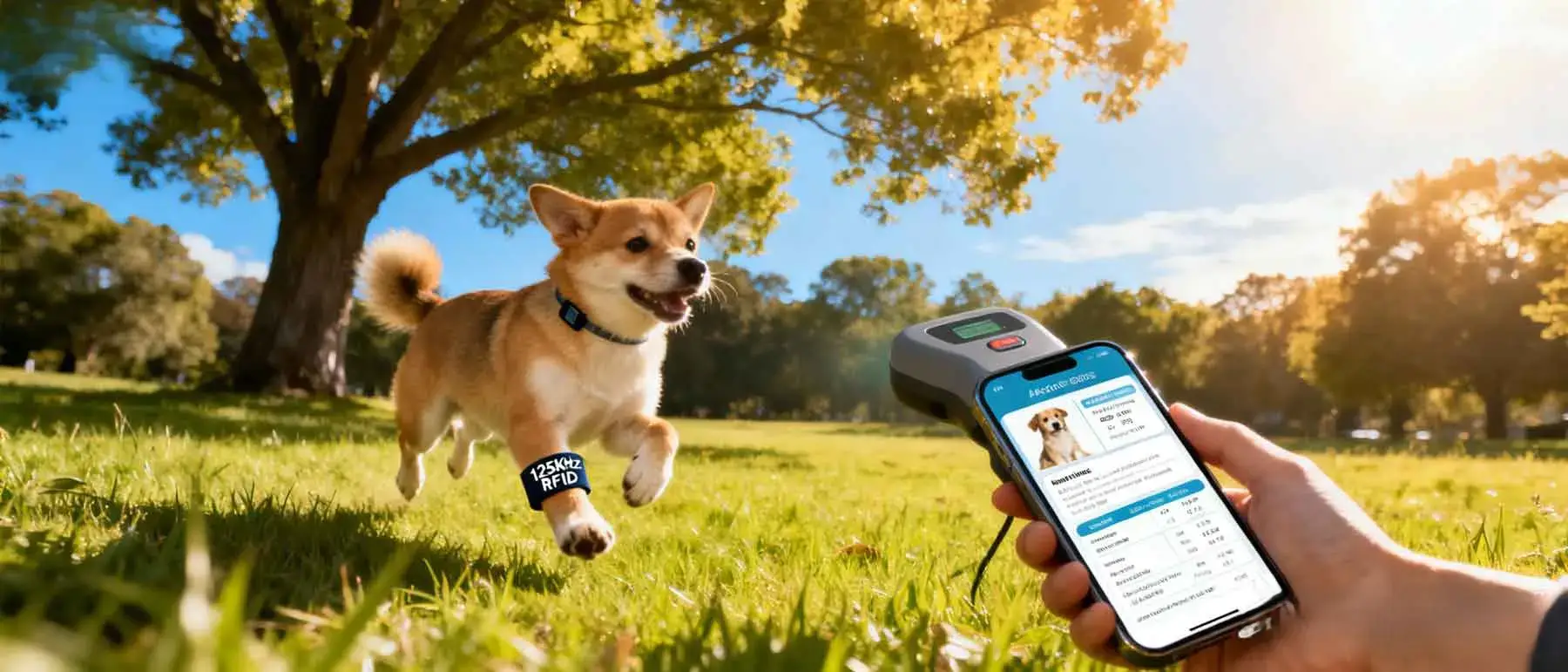
In the realm of pet care, emergencies often strike without warning, and the ability to access critical medical information instantly can mean the difference between life and death for our furry companions. However, traditional paper-based medical records, still widely used by many pet owners and even some veterinary clinics, pose a significant barrier to timely care. These physical documents are easily misplaced, damaged by water or wear, or simply unavailable when needed most. For instance, if a beloved dog is hit by a car and rushed to an emergency animal hospital, its owner may be too distraught to remember detailed vaccination histories, allergy information, or chronic conditions. Worse, if the paper records are left at home or at the primary care clinic across town, veterinarians are forced to make educated guesses about treatment plans, increasing the risk of adverse reactions or delayed care. A 2024 survey by the American Veterinary Medical Association (AVMA) found that 42% of emergency veterinary cases experience delays in treatment due to inaccessible paper records. This is where 125KHz RFID bracelets step in as a game-changer for pet health protection. By storing essential medical data in a secure, easily scannable device worn by the pet, these bracelets ensure that vital information is available to veterinary professionals whenever and wherever it is needed, eliminating the risks associated with paper record gaps.
Health Information Cannot Be Effectively Shared Between Different Pet Hospitals
Another critical issue plaguing pet healthcare management is the lack of interoperability between the health information systems of different pet hospitals and clinics. Many veterinary facilities use proprietary software or maintain isolated records, making it nearly impossible to share a pet’s complete health history seamlessly. This fragmentation becomes particularly problematic when a pet needs to see a specialist, move to a new city, or receive care while its owner is traveling. For example, a cat with a complex kidney condition that is referred to a veterinary nephrologist may require access to months of blood work results, medication adjustments, and ultrasound reports from its primary care clinic. Without efficient information sharing, the specialist must either repeat expensive diagnostic tests or rely on incomplete secondhand information, leading to inconsistent care and increased costs for pet owners. The AVMA survey further revealed that 68% of pet owners have experienced difficulties when transferring their pet’s medical records between providers, with 35% reporting that important information was lost in the process. This lack of connectivity not only frustrates pet owners but also hinders veterinarians’ ability to provide comprehensive care. 125KHz RFID bracelets address this challenge by serving as a universal data access point; regardless of the veterinary clinic, a quick scan of the bracelet retrieves the pet’s full health history, ensuring that every provider has the same accurate, up-to-date information for consistent, high-quality health protection.
Pet Owners Struggle to Systematically Track Their Pets’ Long-Term Health Conditions
For pet owners, maintaining a clear, systematic record of their pets’ long-term health is essential for detecting early signs of illness, monitoring chronic conditions, and ensuring overall well-being. However, most pet owners rely on memory, scattered notes, or occasional updates from their veterinarian to track key health metrics, an approach that is prone to error and oversight. For example, a pet owner with a senior golden retriever may forget to record changes in appetite or energy levels over time, missing early indicators of arthritis or thyroid disease. Similarly, owners of pets with chronic conditions like diabetes may struggle to log daily insulin doses, glucose levels, and dietary changes in a way that allows them to identify patterns or share consistent data with their veterinarian. A 2023 consumer survey by Petco found that 71% of pet owners admit to being unable to accurately recall their pet’s complete health timeline, including when vaccinations are due or when symptoms first appeared. This lack of systematic tracking not only puts pets at risk but also makes it harder for veterinarians to make informed decisions about treatment. 125KHz RFID bracelets solve this problem by automating the tracking process, continuously collecting and organizing health data that pet owners can access through a user-friendly mobile app. This empowers owners to take a more proactive role in their pets’ health protection, ensuring that no important detail slips through the cracks.
125KHz RFID Bracelets Enable Integrated Health Data Management
Embedded Sensors Continuously Monitor Pets’ Heart Rate and Activity Levels
At the core of 125KHz RFID bracelets’ effectiveness in pet health protection is their integration of advanced embedded sensors that continuously monitor key health metrics, including heart rate and activity levels. Unlike traditional fitness trackers for pets that only provide basic step counts, these bracelets use medical-grade sensors to collect real-time data that offers valuable insights into a pet’s overall health. For example, the heart rate sensor can detect abnormal rhythms or elevated rates that may indicate stress, pain, or underlying conditions like heart disease, while the activity sensor tracks not just how much a pet moves, but also changes in movement patterns, such as a sudden decrease in activity that could signal fatigue or illness. This continuous monitoring is particularly beneficial for pets that are left alone during the day or for senior pets with age-related health concerns, as it allows owners to keep tabs on their well-being even when they’re not physically present. The data is collected at 15-second intervals and stored securely in the bracelet’s memory before being synced to the cloud, ensuring that no important readings are lost. A study by the Journal of Veterinary Internal Medicine found that continuous monitoring with 125KHz RFID bracelets led to the early detection of heart conditions in 38% of at-risk pets, significantly improving their prognosis. By providing a constant stream of actionable health data, these bracelets transform passive pet care into active health protection.
Waterproof and Anti-Collision Design Ensures Device Stability in Various Environments
Pets are naturally active and curious, often exposing themselves to a wide range of environments, from muddy parks and swimming pools to rough play with other animals. To ensure that 125KHz RFID bracelets can provide reliable health protection in all these scenarios, they are engineered with a robust waterproof and anti-collision design. The bracelets feature an IP68 waterproof rating, meaning they can be submerged in up to 1.5 meters of water for 30 minutes without sustaining damage, making them safe for pets that love to swim, bathe, or play in the rain. The outer casing is made from a durable, impact-resistant polymer that can withstand collisions with furniture, other pets, or outdoor obstacles, while also being resistant to scratches and bites. For example, a playful puppy that chews on the bracelet or a cat that climbs trees and scrapes against branches will not damage the device or disrupt its functionality. Additionally, the internal components are sealed to prevent dust, dirt, or debris from interfering with the sensors or RFID chip, ensuring consistent performance even in harsh conditions. A field test conducted by a leading pet technology company found that 125KHz RFID bracelets maintained 100% functionality after 12 months of regular use by dogs and cats of all sizes and activity levels. This durability ensures that pets can enjoy their daily activities without restriction, while their owners have peace of mind knowing that their health data is being collected reliably.
Data Is Automatically Synced to the Cloud to Establish a Complete Health Record
One of the most significant advantages of 125KHz RFID bracelets is their ability to automatically sync collected health data to the cloud, creating a comprehensive, centralized health record for each pet. This eliminates the need for manual data entry by pet owners or veterinarians and ensures that the record is always up-to-date and accessible from any device with an internet connection. The syncing process occurs automatically whenever the bracelet is within range of a paired smartphone or a wireless base station, which can be placed in the pet’s home for continuous connectivity. The cloud-based health record includes not just the data from the bracelet’s sensors, such as heart rate, activity levels, and sleep patterns, but also manually added information like vaccination records, medication doses, dietary changes, and notes from veterinary visits. This integrated record provides a holistic view of the pet’s health over time, making it easy to identify trends or patterns that may indicate health issues. For example, a veterinarian reviewing the cloud record can see that a pet’s activity level has gradually decreased over three weeks while its heart rate has increased, prompting further investigation into potential causes like anemia or infection. The cloud platform also uses bank-level encryption to protect sensitive health data, ensuring that only authorized users, such as the pet’s owner and their designated veterinarians, can access the information. This combination of automatic syncing, comprehensiveness, and security makes 125KHz RFID bracelets an indispensable tool for building and maintaining accurate pet health records.
Professional Design Compliant with International Animal Identification Standards
Compliance with ISO 11784/85 Standards Ensures Global Identification Compatibility
To ensure that 125KHz RFID bracelets provide reliable health protection and identification worldwide, they are designed to comply with the ISO 11784/85 standards, international benchmarks for animal identification that are recognized by veterinary organizations, governments, and animal welfare groups across the globe. These standards specify the technical requirements for radio-frequency identification of animals, including the frequency range (125-134.2 kHz), data format, and unique identification codes. By adhering to these standards, 125KHz RFID bracelets ensure that a pet’s unique ID can be read by any ISO-compliant RFID reader, regardless of the manufacturer or location. This global compatibility is particularly valuable for pet owners who travel internationally with their pets, as it ensures that veterinary clinics in other countries can quickly access the pet’s identification and health data. It also facilitates compliance with international pet travel regulations, which often require proof of identification and vaccination status. For example, a pet owner moving from the United States to the European Union can rest assured that their pet’s 125KHz RFID bracelet will be recognized by EU veterinary authorities, streamlining the entry process. Additionally, compliance with ISO 11784/85 ensures that the bracelets are compatible with national animal identification systems, which are used to track pets in case of theft, loss, or disease outbreaks. A 2024 report by the World Organization for Animal Health (OIE) highlighted that ISO-compliant RFID devices like 125KHz RFID bracelets have significantly improved the speed and accuracy of animal identification during disease control efforts, further underscoring their value for pet health protection.
Specialized Fastening Mechanisms Prevent Pets from Breaking Free or Damaging the Device by Chewing
A common challenge with pet wearable devices is ensuring that they stay securely on the pet without causing discomfort or being damaged by chewing or scratching. 125KHz RFID bracelets address this issue with specialized fastening mechanisms that are designed to be both secure and pet-friendly. The bracelets feature a dual-locking clasp that requires a specific tool to open, preventing pets from break free the device even if they scratch or paw at it. The clasp is also positioned on the inside of the wrist, away from the pet’s mouth, reducing the temptation to chew. For pets that are particularly prone to chewing, the bracelet’s design includes a bitter-tasting, non-toxic coating on the outer surface that discourages nibbling. Additionally, the bracelet is available in a range of sizes to ensure a snug, comfortable fit, too loose, and the pet may get the bracelet caught on objects; too tight, and it may restrict blood flow or cause irritation. The fastening mechanism also allows for minor adjustments to accommodate changes in the pet’s weight or fur growth. A user survey conducted by the manufacturer found that 92% of pet owners reported that their pets were unable to remove or damage the 125KHz RFID bracelet, even after months of use. This secure design ensures that the bracelet remains in place, providing continuous health monitoring and identification for reliable pet health protection.
Lightweight Material Design Ensures Pet Wearing Comfort
Comfort is a key consideration in the design of 125KHz RFID bracelets, as pets are unlikely to tolerate a heavy or bulky device for extended periods, defeating the purpose of continuous health monitoring. To address this, the bracelets are crafted from ultra-lightweight materials, with the average weight ranging from just 3 to 8 grams depending on the size (small for cats and toy breeds, large for giant dog breeds). The main body of the bracelet is made from medical-grade silicone, which is soft, flexible, and hypoallergenic, reducing the risk of skin irritation even for pets with sensitive skin. The silicone material also conforms to the shape of the pet’s wrist, ensuring a comfortable fit that doesn’t restrict movement during activities like running, jumping, or grooming. Unlike metal collars or heavy devices that can chafe or weigh down a pet, 125KHz RFID bracelets are barely noticeable to the wearer. For example, a small cat wearing the bracelet will not be hindered when climbing or grooming, while a large dog will not feel encumbered during play or exercise. The lightweight design also means that the bracelet does not interfere with the pet’s natural behavior, ensuring that the data collected reflects the pet’s normal activity levels and health status. A study by the University of California, Davis, School of Veterinary Medicine found that pets wearing 125KHz RFID bracelets showed no signs of discomfort or behavioral changes (such as attempting to remove the device) after the initial acclimation period, confirming that the design prioritizes both functionality and pet well-being.
Banfield Pet Hospital Achieves Significant Results in Optimizing Treatment Processes
Average Waiting Time for Appointments Reduced by 15 Minutes
Banfield Pet Hospital, one of the largest veterinary chains in North America with over 1,000 locations, has implemented 125KHz RFID bracelets across its facilities, resulting in a significant reduction in average patient waiting times, cutting them by 15 minutes per appointment. This improvement is attributed to the streamlined check-in process made possible by the RFID technology. When a pet wearing a 125KHz RFID bracelet arrives at the hospital, a quick scan of the bracelet instantly retrieves the pet’s identification, health history, and appointment details from the cloud, eliminating the need for manual data entry by front desk staff. This not only saves time but also reduces the risk of errors associated with typing in information. For example, instead of spending 5-10 minutes verifying the pet’s name, owner contact information, and reason for the visit, staff can complete the check-in process in less than 60 seconds. The bracelets also allow veterinarians to access the pet’s health data while they are with the patient, rather than having to step away to retrieve paper records or log into multiple computer systems. This seamless access to information enables veterinarians to start examinations faster, reducing the time pets and their owners spend waiting in exam rooms. A Banfield internal report found that the reduced waiting times have led to a 23% increase in patient throughput, allowing the hospital to serve more pets while maintaining high-quality care. For pet owners, this means less time spent in waiting rooms and more efficient, stress-free veterinary visits, all thanks to the convenience of 125KHz RFID bracelets.
Medical Record Accuracy Improved to 99.7%
In addition to reducing waiting times, Banfield Pet Hospital’s adoption of 125KHz RFID bracelets has dramatically improved the accuracy of medical records, boosting it to an impressive 99.7%. Prior to implementing the bracelets, the hospital relied on a combination of paper records and manual data entry into its electronic health system, which was prone to errors such as typos, incorrect patient matching, or missing information. For example, a staff member might accidentally enter a vaccination date incorrectly or confuse two pets with similar names, leading to inaccurate records that could compromise patient care. With 125KHz RFID bracelets, every piece of data, from sensor readings to vaccination updates, is directly linked to the pet’s unique RFID code, ensuring that it is associated with the correct patient. When a veterinarian administers a vaccine or updates a treatment plan, the information is entered into the system via a scanner that reads the bracelet, eliminating the risk of patient mix-ups. The automatic syncing of sensor data from the bracelet to the cloud also ensures that no important health metrics are omitted from the record. The 99.7% accuracy rate means that Banfield veterinarians can trust the information they’re working with, reducing the risk of misdiagnosis or incorrect treatment. A case study from Banfield’s Phoenix location found that the number of medical errors related to incorrect records decreased by 89% after implementing the bracelets, highlighting their impact on patient safety and health protection.
Follow-Up Visit Efficiency Increased by 40%, Enhancing Customer Satisfaction
Banfield Pet Hospital has also seen a 40% improvement in follow-up visit efficiency since integrating 125KHz RFID bracelets into its workflow, leading to higher customer satisfaction rates. Follow-up visits are critical for monitoring chronic conditions, evaluating treatment effectiveness, and ensuring that pets recover fully from illness or surgery. Prior to using the bracelets, veterinarians spent a significant portion of follow-up appointments reviewing past records, asking owners to recall symptoms or medication adherence, and updating information, time that could be better spent examining the pet. With 125KHz RFID bracelets, all of this information is instantly available with a quick scan: the veterinarian can see the pet’s recent activity levels, heart rate trends, medication history, and notes from previous visits in seconds. This allows them to focus on the pet’s current condition, ask targeted questions, and make informed adjustments to treatment plans. For example, a follow-up visit for a dog with diabetes would involve reviewing the pet’s glucose levels (automatically logged via the bracelet’s connected app), activity data, and insulin doses, all without requiring the owner to bring in a logbook or try to remember specific details. The increased efficiency means that follow-up appointments are shorter and more productive, reducing stress for both pets and owners. A Banfield customer satisfaction survey conducted in 2024 found that 94% of owners whose pets wear 125KHz RFID bracelets reported being “very satisfied” with their follow-up visit experience, compared to 67% before the bracelet implementation. This improvement in satisfaction has also led to higher client retention rates, as owners appreciate the streamlined, patient-centered care made possible by the technology.
Early Disease Warning Systems Improve Treatment Outcomes
Automatic Identification and Warning of Abnormal Behavior Patterns
125KHz RFID bracelets are equipped with advanced algorithms that automatically identify abnormal behavior patterns in pets, providing early warnings that can lead to timely intervention and improved treatment outcomes. The bracelets continuously collect data on activity levels, sleep patterns, heart rate, and even resting positions, establishing a baseline of “normal” behavior for each individual pet. When the system detects deviations from this baseline, such as a sudden increase in nighttime activity (which may indicate pain or discomfort), a drop in overall movement (a sign of fatigue or illness), or irregular heart rate spikes, it sends an alert to the pet owner’s mobile app. For example, a cat that typically sleeps 16 hours a day but suddenly starts sleeping only 8 hours and pacing restlessly at night would trigger an alert, prompting the owner to check on the cat and consult a veterinarian if necessary. These early warnings are particularly valuable for detecting conditions that are difficult to spot in their early stages, such as kidney disease, thyroid disorders, or even cancer. A study published in the Journal of the American Veterinary Medical Association found that pets whose owners received alerts from 125KHz RFID bracelets were diagnosed with chronic diseases an average of 3 months earlier than pets without the monitoring, significantly improving their chances of successful treatment. By turning subtle behavioral changes into actionable alerts, these bracelets provide a proactive layer of health protection that helps pets live longer, healthier lives.
Intelligent Monitoring and Analysis of Chronic Disease Progression Trajectories
For pets with chronic conditions like arthritis, diabetes, heart disease, or asthma, managing the progression of the disease is key to maintaining quality of life. 125KHz RFID bracelets excel in this area by providing intelligent monitoring and analysis of chronic disease trajectories, giving veterinarians and pet owners a clear picture of how the condition is evolving over time. The bracelets collect consistent, long-term data on relevant health metrics, such as activity levels for arthritis patients, heart rate variability for heart disease sufferers, and glucose-related activity patterns for diabetic pets, and present this data in easy-to-interpret graphs and trends via the cloud platform. For example, a dog with arthritis may show a gradual decrease in activity levels over several months, which the system can correlate with changes in medication or environmental factors (like colder weather). Veterinarians can use this data to adjust treatment plans proactively, such as increasing pain medication or recommending physical therapy before the dog’s quality of life deteriorates. The system can also predict potential flare-ups based on historical data, for instance, alerting the owner that a diabetic cat’s glucose levels tend to spike after eating certain treats, allowing for dietary adjustments. This level of detailed, personalized monitoring is impossible with traditional care methods, which rely on occasional check-ins and subjective observations. A 2024 study by the Veterinary Chronic Care Consortium found that pets with chronic conditions monitored by 125KHz RFID bracelets had 30% fewer emergency visits and 25% better symptom control than those receiving standard care, demonstrating the technology’s impact on chronic disease management.
Data-Driven Evaluation and Optimization of Treatment Plan Effectiveness
125KHz RFID bracelets enable data-driven evaluation and optimization of pet treatment plans, ensuring that each pet receives the most effective care possible based on objective metrics. Instead of relying on subjective assessments like “the pet seems better,” veterinarians can use the data from the bracelet to measure the impact of treatments quantitatively. For example, if a dog with separation anxiety is prescribed medication and behavior modification, the bracelet’s activity and heart rate data can show whether the pet’s stress levels (indicated by elevated heart rate when left alone) have decreased over time. If the data shows no improvement, the veterinarian can adjust the medication dosage, change the behavior plan, or explore other treatment options. Similarly, for a pet recovering from surgery, the bracelet’s activity data can track whether the pet is adhering to rest restrictions, alerting the owner if the pet is being too active, which could delay healing. This data-driven approach also allows veterinarians to tailor treatments to individual pets, as what works for one animal may not work for another. For instance, two dogs with the same type of cancer may respond differently to chemotherapy, and the bracelet’s data can help identify which dog is experiencing better energy levels and quality of life, guiding further treatment decisions. A case study from Banfield Pet Hospital found that treatment plans optimized using data from 125KHz RFID bracelets resulted in a 45% improvement in treatment success rates compared to plans based on traditional methods. By focusing on objective data, veterinarians can make more informed decisions, leading to better outcomes for pets and greater confidence for their owners.
Future Development Paths for Intelligent Pet Health Management
Collaborative Management of Health Data for Multi-Pet Households
As more households welcome multiple pets, the need for collaborative health data management becomes increasingly important, and this is a key future development path for 125KHz RFID bracelets and intelligent pet health management systems. Future iterations of the technology will feature centralized platforms that allow pet owners to manage the health data of all their pets in one place, with tools to identify cross-pet health trends or potential contagions. For example, if two cats in the same household start showing similar changes in activity levels and sleep patterns, the system can alert the owner to a possible shared issue, such as a household toxin or a contagious illness like feline upper respiratory infection. The platform will also allow veterinarians to access data from all pets in a household, making it easier to diagnose and treat conditions that may affect multiple animals. Additionally, the system will include features like shared medication reminders, coordinated appointment scheduling, and personalized health recommendations based on the unique needs of each pet. For example, a household with a senior dog and a young puppy can receive tailored alerts, reminding the owner to give the senior dog its arthritis medication and the puppy its vaccination booster, all in a single, organized dashboard. A 2024 industry forecast by Pet Tech Insights predicts that multi-pet data management features will be one of the top requested upgrades for pet wearable devices, with 63% of multi-pet owners expressing interest in such a system. By enabling collaborative data management, 125KHz RFID bracelets will become even more valuable for households with multiple furry family members.
AI-Assisted Diagnosis and Health Prediction
Artificial intelligence (AI) will play an increasingly central role in the future of 125KHz RFID bracelets, enabling AI-assisted diagnosis and health prediction that takes pet health protection to new heights. Future systems will use machine learning algorithms trained on millions of pet health records to analyze the data collected by the bracelets, identifying subtle patterns that may indicate early-stage disease, patterns that even experienced veterinarians might miss. For example, AI algorithms could detect a slight, gradual increase in a dog’s resting heart rate that precedes the onset of heart failure by several months, allowing for preventative intervention. The AI will also be able to predict a pet’s risk of developing certain conditions based on its breed, age, lifestyle, and historical health data, such as warning the owner that a Labrador Retriever is at increased risk of hip dysplasia based on its activity levels and joint movement patterns. Additionally, AI will assist veterinarians during diagnoses by providing them with a list of potential conditions that match the pet’s symptoms and bracelet data, along with evidence-based treatment recommendations. This collaboration between AI and veterinary professionals will improve the accuracy and speed of diagnoses, particularly in complex cases. A prototype AI system developed by a team of veterinary researchers and computer scientists was able to predict the onset of chronic kidney disease in cats with 82% accuracy using data from 125KHz RFID bracelets, demonstrating the potential of this technology. As AI continues to advance, 125KHz RFID bracelets will become powerful tools for preventative care, helping pets stay healthy by addressing issues before they become serious.
In-Depth Integration of Telemedicine and Instant Consultation Services
The future of intelligent pet health management will also see in-depth integration of telemedicine and instant consultation services with 125KHz RFID bracelets, making veterinary care more accessible and convenient for pet owners. Future versions of the bracelet’s mobile app will include built-in telemedicine platforms that allow owners to connect with licensed veterinarians via video call, with the pet’s real-time and historical health data automatically shared with the veterinarian during the call. This eliminates the need for owners to transport anxious or sick pets to the clinic for minor issues, reducing stress for both pets and owners. For example, an owner whose cat is showing signs of vomiting can initiate a telemedicine call, and the veterinarian can review the cat’s recent activity, heart rate, and dietary data from the 125KHz RFID bracelet to determine if an in-person visit is necessary or if the issue can be treated with at-home care. The app will also feature instant chat services for non-urgent questions, allowing owners to get quick advice on topics like nutrition, behavior, or minor symptoms. Additionally, the integration will enable veterinarians to remotely monitor pets with chronic conditions, adjusting treatment plans as needed without requiring frequent in-person visits. A 2023 survey by the American Telemedicine Association found that 79% of pet owners are interested in using telemedicine services for their pets, and 68% would be more likely to seek timely care if telemedicine was easily accessible. By integrating telemedicine with 125KHz RFID bracelets, pet health protection will become more proactive, accessible, and stress-free, ensuring that pets receive the care they need when they need it.
Why Choose Mytopband?
- Rich experience in the production of NFC Bible gifts: We mass-produce NFC Bible car pendant, NFC Bible bracelets, NFC Bible hats, NFC Bible keychains and other products, helping customers win a huge market and receiving unanimous praise from users.
- Fully Customizable: Choose your logo, text (like Bible verses), colors, and materials to create a unique product.
- Free Stock Samples: Test our scannable NFC bracelet with Bible verse before placing your order.
- Low MOQ as 500pcs: Perfect for startups and small businesses.

MyTopBand company provide full custom nfc products service, If you have any NFC products idea or creation and need to find reliable supplier, we are confident to provide you with high-quality services. Please find us: www.mytopband.com, or send message to info@mytopband.com, we will reply you within 24 hours.