
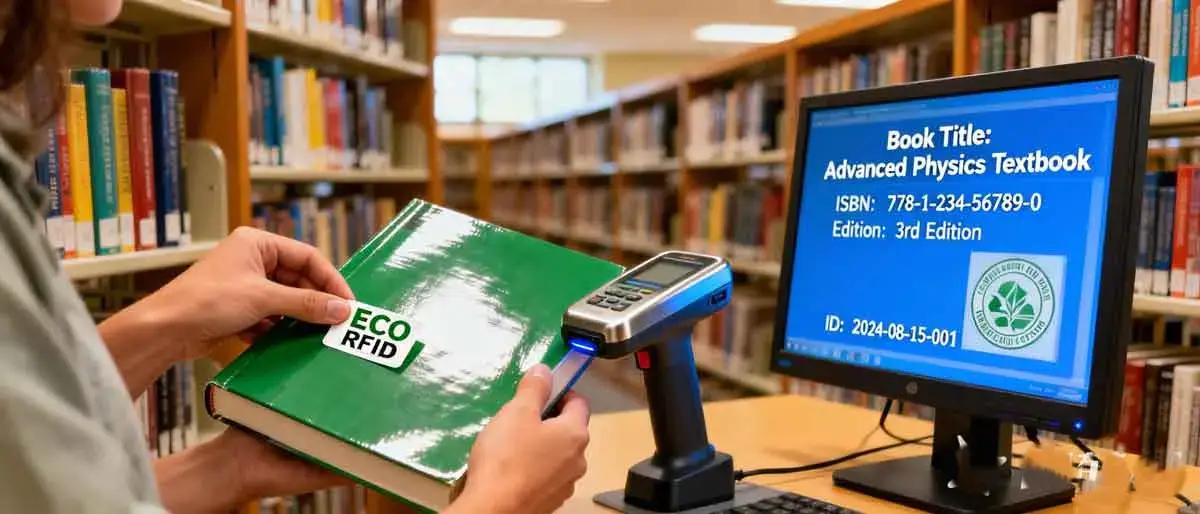
Rising Textbook Costs Are Becoming a Major Barrier to Global Higher Education Popularization
Over the Past Decade, the Average Price of College Textbooks in the U.S. Has Risen by More Than 200%, Far Outpacing Inflation and Student Income Growth
The soaring cost of textbooks has emerged as a critical bottleneck hindering the popularization of higher education worldwide, with the United States serving as a stark example of this crisis. Over the past decade, the average price of college textbooks in the U.S. has surged by more than 200%, a growth rate that drastically outstrips both the overall inflation rate and the increase in students’ income. While the general inflation rate during this period hovered around 30%, and the average part-time income of college students grew by merely 45%, textbook prices have spiraled out of control, driven by limited market competition, frequent unnecessary edition updates, and bundled supplementary materials that students are forced to purchase even if they are not needed. This disparity has placed an enormous financial burden on students, many of whom are already grappling with tuition fees, accommodation costs, and living expenses. ECO RFID Cards offer a transformative solution to this predicament by building a traceable campus textbook recycling ecosystem, which reduces reliance on new textbook purchases and alleviates the financial pressure on students through efficient circulation and reuse. By addressing the root cause of high textbook costs—wasteful single-use models—ECO RFID Cards pave the way for a more affordable and inclusive higher education landscape.
Annual Textbook Expenditure Per Student Reaches $1,200 in Developed Countries, with Heavier Burdens on Students in Developing Nations
The financial strain of textbook costs is not confined to the United States; it is a global issue that disproportionately affects students across different economic contexts. In developed countries, the average annual textbook expenditure per student stands at $1,200, accounting for 15% to 20% of their total annual living expenses. For students from low-income families, this cost often forces them to make difficult trade-offs, such as skipping required textbooks, relying on outdated versions shared by peers, or taking on additional part-time work that compromises their academic performance. The situation is even more dire in developing countries, where students face a far heavier burden relative to their household incomes. In many developing nations, the average annual textbook cost per student equals 30% to 50% of the per capita disposable income, making required educational materials a luxury that many cannot afford. This inequality in access to textbooks exacerbates the global education gap, limiting opportunities for socio-economic mobility. ECO RFID Cards tackle this issue by fostering a sustainable textbook recycling ecosystem that makes high-quality educational resources accessible at a fraction of the cost, ensuring that students from all economic backgrounds can focus on their studies rather than worrying about textbook expenses.
In the Current Textbook Usage Model, the Average Lifespan of Each Textbook Is Only 1.2 Semesters, Resulting in Severe Resource Waste
Beyond the financial burden, the current textbook usage model is characterized by catastrophic resource waste, with textbooks being discarded or abandoned after minimal use. Statistics show that the average lifespan of each textbook is merely 1.2 semesters, meaning most textbooks are no longer in circulation shortly after their first use. This waste stems from several interrelated factors, including the lack of an efficient recycling mechanism, the perception that used textbooks are less valuable, and the pressure from publishers to adopt the latest editions—even when the content changes are negligible. As a result, millions of textbooks end up in landfills each year, consuming valuable natural resources and contributing to environmental degradation. Each textbook requires significant amounts of paper, water, and energy to produce; for instance, a single textbook consumes approximately 300 liters of water during production. Discarding textbooks prematurely negates these investments while increasing carbon emissions from paper production and waste disposal. ECO RFID Cards address this waste by enabling precise tracking and management of textbooks throughout their lifecycle, facilitating seamless recycling and reuse. By extending the average lifespan of textbooks, ECO RFID Cards not only reduce resource consumption but also promote a circular economy in the education sector, aligning with global sustainability goals.
Degradable Smart Cards Serve as a Digital Link Connecting Textbooks, Students, and Libraries
The Cards Adopt Plant Fiber Substrates and Water-Based Ink Printing, Enabling Complete Natural Degradation at the End of Their Service Life
ECO RFID Cards are designed with sustainability at their core, serving as an environmentally friendly digital link that connects textbooks, students, and libraries. Unlike traditional plastic RFID cards that contribute to plastic pollution and persist in the environment for centuries, ECO RFID Cards are crafted from plant fiber substrates derived from renewable resources such as bamboo, sugarcane, and wheat straw. These substrates are not only biodegradable but also durable enough to withstand daily use, including frequent handling by students and library staff. The printing process for ECO RFID Cards uses non-toxic, water-based inks that do not release harmful chemicals into the environment during degradation. At the end of their service life—typically 5 to 7 years, which matches the average lifecycle of a campus textbook recycling system—these cards break down completely in natural environments within 6 to 12 months, leaving no toxic residues or microplastics. This eco-friendly design ensures that every component of the textbook recycling ecosystem is sustainable, from the textbooks themselves to the digital tools that facilitate their circulation. By prioritizing environmental responsibility, ECO RFID Cards set a new standard for green educational technology.
Each Circulating Textbook Is Embedded with a Miniature Passive UHF RFID Tag, Linked to Its Unique Identity ID and Core Metadata
To enable precise tracking and management of textbooks, each circulating textbook in the ecosystem is embedded with a miniature passive UHF RFID tag. This tag is ultra-thin (less than 1mm thick), lightweight, and designed to be non-intrusive, ensuring it does not affect the usability of the textbook or cause discomfort when reading. The tag stores a unique identity ID that is permanently associated with the textbook, along with core metadata such as the title, author, edition, publication date, subject, and library location. This metadata is synchronized with the campus library management system in real time, creating a comprehensive digital profile for each textbook. The passive UHF technology eliminates the need for batteries, ensuring the tag remains functional for the entire lifespan of the textbook without maintenance or replacement. When paired with ECO RFID Cards, this tagging system allows for fast and accurate identification of textbooks during borrowing, returning, and inventory checks. Library staff can scan multiple textbooks simultaneously using handheld RFID readers, reducing the time required for inventory management by up to 70% compared to manual barcode scanning. This seamless integration of RFID tags and ECO RFID Cards forms the backbone of the traceable textbook recycling ecosystem.
Students Borrow Textbooks Using Rewritable ECO RFID Cards, and the System Automatically Records the Borrower and Timestamp
ECO RFID Cards empower students to participate in the textbook recycling ecosystem with ease, serving as their personal, reusable borrowing credentials. These cards are rewritable, allowing students to link their student ID information to the card once, after which they can use it to borrow textbooks from the library repeatedly throughout their academic career. When a student borrows a textbook, they simply tap their ECO RFID Card on a reader at the library checkout desk, and the system automatically records the borrower’s information, the borrowing timestamp, and the textbook’s unique ID. This process takes mere seconds, eliminating the need for manual data entry and reducing checkout queues during peak hours. Similarly, when returning textbooks, the system updates the textbook’s status to “available” in real time upon detecting the ECO RFID Card and the embedded tag, ensuring accurate inventory management and preventing misplacement. The rewritable feature also allows for flexibility, enabling students to update their information (such as program or contact details) if needed without replacing the card. By automating the borrowing and returning process, ECO RFID Cards enhance the user experience for students while providing libraries with real-time data on textbook circulation.
Intelligent Management Based on Textbook Usage Data Optimizes Recycling and Edition Update Decisions
The System Tracks the Number of Borrowings, Circulation Speed, and Damage Reports of Each Textbook to Evaluate Its Remaining Usable Value
The integration of ECO RFID Cards and RFID tags generates a wealth of textbook usage data, which is leveraged by intelligent management systems to optimize recycling and maximize the value of each textbook. The system continuously tracks key metrics for every textbook, including the number of times it has been borrowed, its circulation speed (the average time between borrowings), and any damage reports submitted by students or library staff (such as torn pages, water damage, or missing chapters). This data is analyzed using advanced algorithms to evaluate the textbook’s remaining usable value, determining whether it should continue to circulate, undergo repairs (such as binding or page replacement), or be retired from the ecosystem. For example, a textbook with a high borrowing frequency and minimal damage is identified as a high-value resource and prioritized for circulation, while a textbook with frequent damage reports or low circulation speed may be flagged for repair or replacement. This data-driven approach ensures that textbooks are used to their full potential, reducing unnecessary replacements and minimizing waste. ECO RFID Cards play a critical role in this process by enabling the accurate collection of usage data, ensuring the management system has reliable insights to make informed decisions.
When a Textbook Edition Exceeds the Recommended Service Life, the System Automatically Alerts Library Managers for Evaluation and Replacement
Maintaining the relevance and accuracy of textbooks is essential for ensuring quality education, and ECO RFID Cards facilitate this by enabling automated edition management. Each textbook’s metadata includes a recommended service life based on academic standards and subject-specific requirements—typically 3 to 5 years for most disciplines, with shorter lifespans for rapidly evolving fields such as computer science, medicine, and technology. When a textbook approaches or exceeds this recommended lifespan, the intelligent management system, powered by data from ECO RFID Cards and embedded tags, automatically sends an alert to library managers. This alert includes detailed usage data, such as the number of recent borrowings and damage reports, allowing managers to evaluate whether the textbook is still academically relevant or in need of replacement. For example, a textbook in a rapidly evolving field may need to be replaced sooner, while a textbook in a more stable discipline like literature or history may have an extended service life. This proactive alert system prevents outdated textbooks from circulating, ensuring students have access to accurate and up-to-date information. By streamlining the edition update process, ECO RFID Cards help libraries allocate their budgets more efficiently, focusing resources on necessary replacements rather than unnecessary purchases.
Real-Time Monitoring of New Edition Releases in the Textbook Market Provides Data-Supported Update Recommendations for Procurement Decisions
In addition to managing existing textbooks, ECO RFID Cards enable libraries to make informed procurement decisions by integrating real-time market data on new textbook editions. The intelligent management system is connected to a global textbook market database, monitoring new edition releases, publisher announcements, academic reviews, and content revisions in real time. This data is cross-referenced with the usage data of existing textbooks collected via ECO RFID Cards to generate data-supported update recommendations. For example, if a new edition of a popular textbook is released with significant content revisions (such as updated case studies, new research findings, or revised frameworks), the system will analyze the borrowing frequency and user feedback of the current edition to recommend whether to purchase the new edition, and in what quantity. If the current edition is still in high demand and the new edition’s changes are minor, the system may recommend delaying the purchase to maximize the use of existing stock. This approach helps libraries avoid over-purchasing new editions unnecessarily while ensuring they meet the academic needs of students and faculty. The integration of market data and circulation data also allows libraries to negotiate better terms with publishers, leveraging their recycling ecosystem’s scale to secure discounts. ECO RFID Cards thus serve as a bridge between textbook circulation management and procurement, creating a more efficient and cost-effective library operation.
Comprehensive Implementation at the University of California, Berkeley Has Verified Significant Economic and Social Benefits
The Average Annual Textbook Expenditure of 8,000 Participating Students Decreased from $1,240 to $732, a Reduction of 41%
The effectiveness of ECO RFID Cards in building a traceable textbook recycling ecosystem has been validated through comprehensive implementation at the University of California, Berkeley (UC Berkeley). The pilot program, which involved 8,000 students across various disciplines—including humanities, sciences, engineering, and business—demonstrated remarkable economic benefits for students. Prior to the implementation of the ECO RFID Card system, the average annual textbook expenditure per student at UC Berkeley was $1,240, a figure that placed a significant strain on students’ budgets. After the system was fully operational, this figure dropped to $732, representing a 41% reduction in costs. This significant savings was achieved by increasing the recycling rate of textbooks, reducing the need for students to purchase new materials, and providing access to affordable used textbooks through the ecosystem. Students reported that the savings allowed them to allocate more resources to other educational expenses, such as tuition, accommodation, and study materials, while reducing their reliance on student loans. The success of the pilot program at UC Berkeley highlights the potential of ECO RFID Cards to transform the economics of higher education, making it more accessible to students from all financial backgrounds.
The Library Textbook Circulation Rate Increased by 67%, and the Average Number of Students Served by a Single Textbook Rose from 3.2 to 5.1
Beyond student cost savings, the ECO RFID Card system also delivered substantial operational improvements for UC Berkeley’s library. The textbook circulation rate—defined as the number of borrowings per textbook per semester—increased by 67% following the implementation. This increase was driven by the streamlined borrowing process enabled by ECO RFID Cards, which made it easier for students to access textbooks, and the improved inventory management that ensured textbooks were always available when needed. Prior to the system, many textbooks were misplaced or underutilized due to inefficient tracking, leading to stockouts of popular titles and overstocking of less-demanded ones. Additionally, the average number of students served by a single textbook rose from 3.2 to 5.1, a 59% increase, as the system extended the lifespan of textbooks and reduced premature discarding. This higher utilization rate meant the library could serve more students with the same number of textbooks, reducing the need for new purchases and optimizing resource allocation. Library staff also benefited from reduced workload, as the automated tracking and checkout process eliminated the need for manual inventory checks and data entry, allowing them to focus on more value-added tasks such as student support and collection development. The results from UC Berkeley demonstrate that ECO RFID Cards can significantly enhance the efficiency and impact of campus library services.
The Pilot Academic Year Reduced Textbook-Related Paper Consumption by Approximately 42 Tons, Equivalent to Protecting 500 Mature Trees
The environmental benefits of the ECO RFID Card system were equally impressive during the UC Berkeley pilot. By extending the lifespan of textbooks and increasing their recycling rate, the program reduced textbook-related paper consumption by approximately 42 tons in a single academic year. This reduction is equivalent to protecting 500 mature trees, conserving over 1.2 million gallons of water (used in paper production), and reducing carbon emissions by 85 tons—significant contributions to global sustainability efforts. The environmental impact was further amplified by the eco-friendly design of ECO RFID Cards themselves, which are biodegradable and manufactured using renewable resources, unlike traditional plastic cards. Students and faculty reported a strong sense of environmental responsibility, with many noting that their participation in the textbook recycling ecosystem aligned with their personal sustainability values. The success of the pilot program in reducing environmental impact has led UC Berkeley to expand the ECO RFID Card system to all its campuses, with plans to integrate it into other educational resource recycling initiatives, such as lab manuals and course readers. This demonstrates that ECO RFID Cards are not only economically beneficial but also a powerful tool for promoting sustainable education practices.
Integration of Digital Learning Tools Transforms Used Textbooks into Personalized Knowledge Carriers
Students Can Scan Textbook QR Codes or Tap NFC Tags to Encrypt and Upload Personal Notes and Annotations to the Cloud
ECO RFID Cards go beyond textbook tracking by integrating digital learning tools, transforming used textbooks into dynamic, personalized knowledge carriers. Each textbook in the ecosystem is equipped with a QR code or NFC tag alongside the embedded RFID tag, allowing students to connect their physical textbooks to digital learning platforms seamlessly. Using a smartphone or tablet, students can scan the QR code or tap their device on the NFC tag to encrypt and upload their personal notes, highlights, and annotations to a secure cloud storage system. This encryption ensures that students’ intellectual property is protected, with only the student having access to their original notes by default. The cloud integration eliminates the risk of losing notes due to textbook damage or loss, as all annotations are stored digitally and can be accessed from any device, anywhere, at any time. This feature also enhances the learning experience by allowing students to organize their notes, search for key information, and review their annotations alongside the textbook content. ECO RFID Cards facilitate this integration by linking the student’s digital profile to their physical textbook, creating a seamless connection between offline reading and online learning, and enhancing the value of used textbooks beyond their printed content.
Notes and Annotations Can Be Selectively Shared with New Users Upon Authorization from the Original Owner in Subsequent Borrowings
To foster collaborative learning and knowledge sharing, the ECO RFID Card system allows students to share their notes and annotations with subsequent borrowers, provided they grant explicit authorization. When a new student borrows a textbook using their ECO RFID Card, the system notifies them if there are authorized notes from previous users. The new student can then choose which annotations to view, giving them the flexibility to leverage the insights of their peers while maintaining their own learning style. This collaborative feature transforms used textbooks into collective knowledge resources, where each borrower contributes to and benefits from the learning community. For example, a student studying a complex scientific concept may benefit from the detailed annotations of a previous student who mastered the material, while adding their own insights for future borrowers. The authorization process ensures that students retain full control over their notes, with the option to share all, some, or none of their annotations. This balance between collaboration and privacy enhances the value of used textbooks, making them more than just printed materials—they become living knowledge ecosystems that evolve with each user. ECO RFID Cards enable this collaborative functionality by linking user profiles to textbook borrowings, ensuring secure and authorized sharing of annotations.
The System Awards “Academic Sharer” Points to Students Who Contribute High-Quality Notes, Which Can Be Redeemed for Printing Credits or Priority Book Selection Rights
To incentivize active participation in the collaborative learning community, the ECO RFID Card system incorporates a rewards program for students who contribute high-quality notes and annotations. The system uses algorithms to evaluate the quality of shared notes based on factors such as relevance to the textbook content, depth of analysis, accuracy, and clarity, with input from faculty reviews to ensure academic rigor. Students whose notes are deemed high-quality are awarded “Academic Sharer” points, which can be redeemed for valuable campus benefits. These benefits include printing credits (essential for submitting assignments and study materials), priority book selection rights (allowing students to reserve popular textbooks before they become available to the general student body), discounts at campus bookstores, and even extra credit in select courses. Priority book selection rights are particularly popular, as they help students secure the textbooks they need at the start of the semester, avoiding the stress of stockouts. This rewards program not only encourages students to engage with their textbooks more deeply but also fosters a culture of knowledge sharing and academic collaboration on campus. By linking ECO RFID Cards to the rewards system, the university can track student contributions accurately and ensure fair distribution of incentives, creating a sustainable cycle of participation in the textbook recycling and collaborative learning ecosystem.
Establishing a Transparent and Fair Digital Rights Management Mechanism to Balance the Interests of All Parties
Each Textbook Borrowing Generates an Immutable Blockchain Record, Ensuring Publishers Receive Accurate Royalty Calculation Basis
A critical component of the ECO RFID Card ecosystem is a transparent and fair digital rights management (DRM) mechanism that balances the interests of students, libraries, and publishers. To ensure publishers receive accurate royalties for the use of their textbooks, each borrowing transaction recorded via ECO RFID Cards generates an immutable blockchain record. This record includes the textbook’s unique ID, the borrowing timestamp, the duration of the loan, and the borrower’s anonymized information (to protect privacy), ensuring complete transparency and traceability. Blockchain technology prevents tampering with transaction data, as each record is linked to the previous one in a decentralized ledger, providing publishers with a reliable basis for royalty calculations. Unlike traditional textbook sales models, where publishers only receive revenue from initial purchases, this DRM mechanism allows publishers to earn royalties from each borrowing transaction, creating a sustainable revenue stream from used textbooks. This incentivizes publishers to support the textbook recycling ecosystem, as they benefit from extended textbook lifecycles rather than relying on frequent new edition releases to drive sales. ECO RFID Cards enable this DRM mechanism by ensuring every borrowing transaction is accurately recorded and securely transmitted to the blockchain, fostering trust between all stakeholders.
Eco-Friendly Printing Certification Information Is Accessible via NFC Tags, Guiding the Market to Prioritize the Purchase of Sustainably Certified Textbooks
The ECO RFID Card ecosystem also promotes environmental sustainability throughout the textbook supply chain by integrating eco-friendly certification tracking. Textbooks that meet recognized sustainability standards—such as FSC (Forest Stewardship Council) certification for responsible paper sourcing, GREENGUARD certification for low-emission printing, or vegan certification (free from animal-based inks and bindings)—have their certification information stored in the embedded NFC tag. Students, libraries, and institutions can access this information by tapping their ECO RFID Card or smartphone on the NFC tag, allowing them to verify the textbook’s environmental credentials quickly. This transparency guides the market to prioritize the purchase of sustainably certified textbooks, creating demand for more eco-friendly publishing practices. Publishers are thus incentivized to adopt sustainable printing methods to remain competitive in the ecosystem, further reducing the environmental impact of textbook production. Libraries can also use this information to build more sustainable collections, aligning their procurement decisions with campus sustainability goals. ECO RFID Cards play a key role in this process by making certification information easily accessible, empowering users to make informed, sustainable choices and driving positive change in the publishing industry.
Establishing a Reasonable Pricing and Royalty Sharing Mechanism for Used Textbooks to Incentivize Students to Participate in Circulation Rather Than Discarding Textbooks
To ensure the long-term sustainability of the textbook recycling ecosystem, ECO RFID Cards facilitate the establishment of a reasonable pricing and royalty sharing mechanism for used textbooks. When students return textbooks, the system evaluates their condition based on data collected via ECO RFID Cards (such as damage reports, usage frequency, and overall wear) and assigns a fair resale or rental price. A portion of this price is allocated as a royalty to the publisher, while another portion is offered to the student as an incentive for returning the textbook in good condition. For example, a student who returns a textbook in excellent condition may receive a partial refund (10% to 15% of the original purchase price) or credit toward future textbook rentals, encouraging them to participate in the circulation system rather than discarding the textbook or selling it to third-party vendors. This mechanism ensures that all parties benefit: students receive financial incentives for recycling, publishers earn ongoing royalties, and libraries maintain a high-quality inventory of used textbooks. Additionally, the system prevents price gouging of used textbooks by setting standardized, fair prices based on condition and demand. By aligning the interests of all stakeholders, ECO RFID Cards create a sustainable, circular textbook ecosystem that reduces waste, lowers costs, and promotes fairness in the education sector.
Why Choose Mytopband?
- Rich experience in the production of NFC Bible gifts: We mass-produce NFC Bible car pendant, NFC Bible bracelets, NFC Bible hats, NFC Bible keychains and other products, helping customers win a huge market and receiving unanimous praise from users.
- Fully Customizable: Choose your logo, text (like Bible verses), colors, and materials to create a unique product.
- Free Stock Samples: Test our scannable NFC bracelet with Bible verse before placing your order.
- Low MOQ as 500pcs: Perfect for startups and small businesses.

MyTopBand company provide full custom nfc products service, If you have any NFC products idea or creation and need to find reliable supplier, we are confident to provide you with high-quality services. Please find us: www.mytopband.com, or send message to info@mytopband.com, we will reply you within 24 hours.