
Pharmaceutical Cold Chain Failures Pose Severe Risks to Patient Safety and Economic Losses
Surveys Show That Approximately 5% of Temperature-Controlled Pharmaceuticals Are Exposed to Excessive Temperatures During Transportation
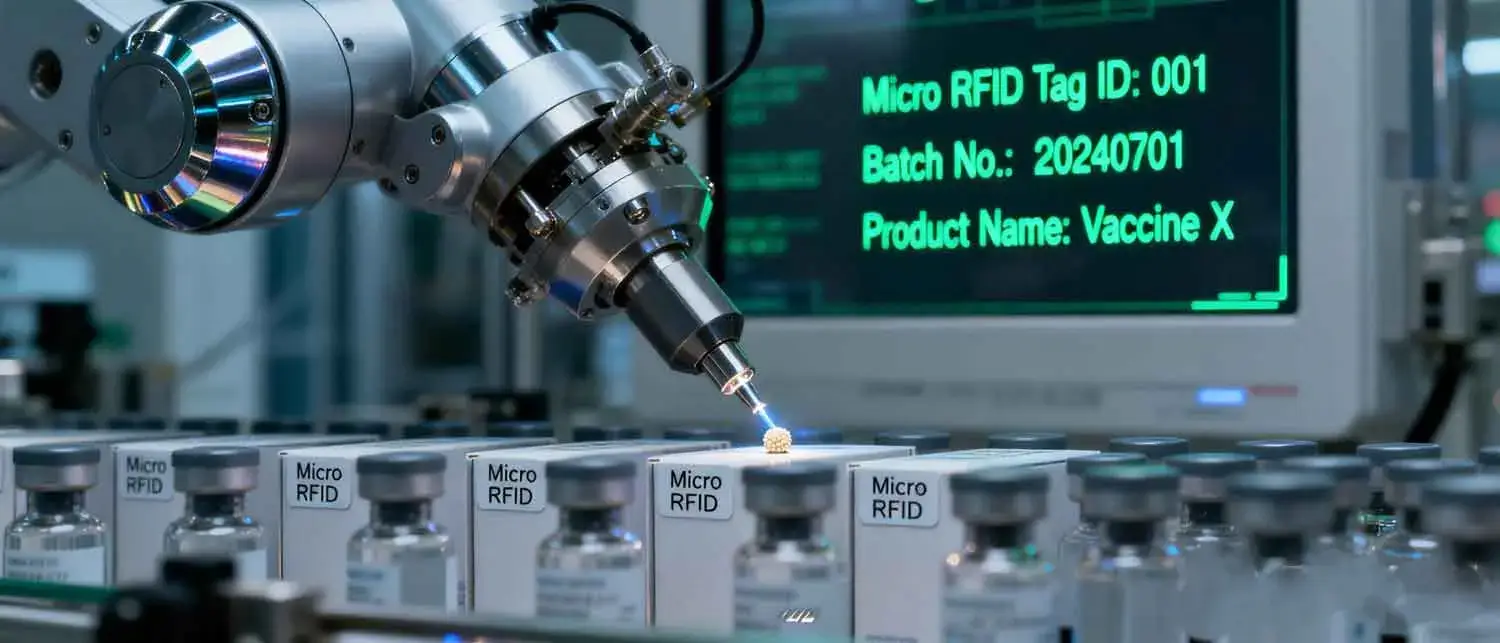
The pharmaceutical cold chain is a critical link in ensuring the efficacy and safety of temperature-sensitive drugs, including vaccines, biologics, and specialty medications. However, cold chain failures remain a pervasive global issue, posing severe threats to patient safety and incurring substantial economic losses. A comprehensive industry survey highlights the gravity of the problem: approximately 5% of temperature-controlled pharmaceuticals are exposed to excessive temperatures during transportation. Temperature deviations—whether above or below the required range—can degrade the active ingredients in drugs, rendering them ineffective or even harmful to patients. For example, vaccines that are improperly stored may fail to provide immunity, leaving individuals vulnerable to preventable diseases, while biologics subjected to temperature extremes can trigger adverse reactions in patients. Micro RFID Tags emerge as a transformative solution to mitigate these risks, offering real-time, precise tracking and monitoring capabilities that address the inherent vulnerabilities of traditional cold chain systems. By providing continuous visibility into temperature conditions throughout the transportation process, Micro RFID Tags enable stakeholders to identify and address deviations before they compromise drug quality, safeguarding patient safety and preserving the value of pharmaceutical products.
Each Cold Chain Breakdown Causes an Average of $750,000 in Drug Scrap and Recall Costs
Beyond the profound risks to patient safety, cold chain breakdowns inflict significant economic damage on pharmaceutical manufacturers, distributors, and healthcare providers. Data reveals that each cold chain breakdown causes an average of $750,000 in drug scrap and recall costs. These costs include the value of the compromised drugs that must be discarded, the expenses associated with initiating and executing a recall (such as notification, collection, and disposal), and the loss of revenue from disrupted supply chains. Additionally, recalls damage a pharmaceutical company’s reputation, eroding trust among healthcare providers and patients, which can lead to long-term financial consequences. For smaller pharmaceutical firms, a single cold chain breakdown can be financially devastating, potentially threatening their viability. Micro RFID Tags help mitigate these economic risks by enabling proactive monitoring and early intervention. By detecting temperature deviations in real time, stakeholders can take immediate action to correct the issue—such as rerouting a shipment or repairing refrigeration equipment—before the entire batch of drugs is compromised. This proactive approach significantly reduces the likelihood of costly recalls and drug scrapping, protecting the financial interests of all parties involved in the pharmaceutical supply chain.
Traditional Temperature Recorders Can Only Read Data at the Destination and Cannot Implement Real-Time Intervention During Transportation
A fundamental limitation of traditional temperature monitoring solutions—such as data loggers and temperature-sensitive labels—is their inability to provide real-time visibility into cold chain conditions. Traditional temperature recorders can only read data at the destination, meaning that temperature deviations during transportation go undetected until the shipment arrives. This lack of real-time data prevents stakeholders from implementing timely interventions to address issues as they occur, leaving drugs vulnerable to damage throughout the journey. For example, if a refrigerated truck’s cooling system fails mid-transit, traditional recorders will not alert the carrier or manufacturer until the shipment reaches its destination, at which point the drugs may already be compromised. Micro RFID Tags overcome this critical limitation by enabling continuous, real-time temperature monitoring and data transmission. Unlike traditional recorders, Micro RFID Tags can transmit temperature data throughout the transportation process, allowing stakeholders to monitor conditions remotely and intervene immediately if a deviation is detected. This shift from reactive to proactive monitoring revolutionizes cold chain management, ensuring that potential issues are addressed before they escalate into costly and dangerous cold chain breakdowns.
0.8mm Micro Tags Maintain Stable Monitoring Performance in Extreme Environments
The Ultra-Thin Package Design Allows the Tags to Be Directly Integrated into Individual Injections or Blister Packs
One of the key innovations of Micro RFID Tags is their ultra-thin package design, which enables seamless integration into the smallest pharmaceutical packaging formats, including individual injections and blister packs. Measuring just 0.8mm in thickness, these micro tags are compact enough to be embedded directly into the packaging without compromising its integrity or adding significant bulk. This level of integration is critical for pharmaceutical applications, as many temperature-sensitive drugs—such as injectable biologics and vaccines—are packaged in small, delicate formats that cannot accommodate larger monitoring devices. By integrating Micro RFID Tags directly into individual units, stakeholders can track the temperature of each drug package throughout the supply chain, rather than relying on batch-level monitoring. This granular level of visibility ensures that no single unit is overlooked, even if only a portion of the batch is exposed to temperature deviations. The ultra-thin design also ensures that the tags do not interfere with the packaging process, allowing pharmaceutical manufacturers to integrate them into existing production lines with minimal modifications.
Certified to Maintain a Temperature Measurement Accuracy of ±0.5℃ Within the Range of -40℃ to +85℃
Pharmaceutical cold chains often expose drugs to extreme temperature conditions, from the freezing temperatures required for some vaccines (-40℃) to the high temperatures that may occur during transportation in hot climates (+85℃). To ensure reliable monitoring in these harsh environments, Micro RFID Tags are rigorously certified to maintain a temperature measurement accuracy of ±0.5℃ within this wide range. This high level of accuracy is essential for pharmaceutical applications, as even small temperature deviations can compromise the efficacy of sensitive drugs. For example, many biologics require storage at temperatures between 2℃ and 8℃, and a deviation of just a few degrees can render them ineffective. Micro RFID Tags’ precise temperature measurement capabilities ensure that stakeholders have an accurate picture of the conditions each drug package experiences, enabling them to make informed decisions about the quality and safety of the product. The tags’ ability to maintain accuracy in extreme environments also makes them suitable for use in a wide range of transportation scenarios, from air freight in unpressurized cargo holds to ground transportation in extreme weather conditions.
128KB Storage Capacity Can Record 90 Days of Continuous Temperature Data and Location History
In addition to real-time data transmission, Micro RFID Tags are equipped with a 128KB storage capacity that can record 90 days of continuous temperature data and location history. This robust storage capability ensures that a complete record of the cold chain journey is preserved, even if there are temporary disruptions in data transmission (such as in remote areas with limited cellular coverage). The recorded data includes timestamped temperature readings and location information, providing a comprehensive audit trail that can be accessed at any point during or after the shipment. This audit trail is critical for regulatory compliance, as pharmaceutical companies are required to maintain detailed records of the storage and transportation conditions of temperature-sensitive drugs. In the event of a quality control issue or recall, the historical data stored on Micro RFID Tags enables stakeholders to quickly trace the journey of each drug package, identify where and when a temperature deviation occurred, and determine the scope of the issue. The 90-day storage capacity is particularly valuable for long-distance shipments or drugs that require extended storage periods before use, ensuring that no critical data is lost.
Multi-Level Intelligent Early Warning System Enables Proactive Intervention of Transportation Risks
When a Temperature Exceeding the Set Threshold is detected, the Tag Emits a Local Alarm Through a Built-In Buzzer
Micro RFID Tags are equipped with a multi-level intelligent early warning system that enables proactive intervention of transportation risks, starting with a local alarm function. When a temperature exceeding the pre-set threshold is detected, the tag emits a local alarm through a built-in buzzer. This local alarm is designed to alert personnel in close proximity to the shipment—such as truck drivers, warehouse workers, or airline cargo handlers—of an immediate issue. For example, if a refrigerated container’s temperature rises above the acceptable range, the Micro RFID Tag’s buzzer will sound, prompting the driver to check the refrigeration system and take corrective action. The local alarm is particularly valuable in scenarios where real-time data transmission may be delayed or unavailable, ensuring that potential issues are detected and addressed as quickly as possible. By alerting on-site personnel to temperature deviations, the local alarm function adds an additional layer of protection to the cold chain, reducing the risk of drug damage and ensuring that interventions are implemented in a timely manner.
Data Is Uploaded to the Cloud in Real Time Through Cellular Networks or Satellite Links to Trigger Secondary System Alarms
In addition to the local alarm, the second level of the intelligent early warning system involves real-time data transmission to the cloud. Micro RFID Tags transmit temperature and location data to the cloud in real time through cellular networks or satellite links, depending on the availability of coverage. Once the data is uploaded to the cloud, the system analyzes it against the pre-set temperature thresholds. If a deviation is detected, the system triggers secondary alarms, which are sent to the relevant stakeholders’ monitoring platforms—such as web-based dashboards, mobile apps, or email inboxes. These secondary alarms provide remote visibility into cold chain conditions, allowing manufacturers, distributors, and logistics providers to monitor shipments from anywhere in the world. For example, a pharmaceutical manufacturer can receive an alert on their mobile app if a shipment of vaccines is exposed to excessive temperatures during transit, enabling them to contact the carrier and coordinate a solution, such as rerouting the shipment to a nearby facility with proper refrigeration. This real-time cloud-based alert system ensures that all relevant parties are informed of potential issues immediately, facilitating coordinated and effective interventions.
Critical Violation Events Automatically Notify Designated Contacts of Shippers, Carriers, and Consignees
The third level of the intelligent early warning system ensures that critical violation events—such as prolonged temperature deviations that pose an immediate risk to drug quality—automatically notify designated contacts of shippers, carriers, and consignees. These notifications are sent via multiple channels, including phone calls, text messages, and emails, to ensure that the relevant parties are alerted promptly, even if they are not actively monitoring the cloud-based dashboard. For example, if a shipment of specialty drugs experiences a temperature deviation that exceeds the threshold for more than 30 minutes, the Micro RFID Tag system will automatically send alerts to the manufacturer’s quality control manager, the carrier’s logistics coordinator, and the healthcare provider’s receiving manager. This multi-stakeholder notification ensures that everyone involved in the supply chain is aware of the issue and can take coordinated action to mitigate the risk. By automating these notifications, the system eliminates delays in communication and ensures that critical issues are addressed by the appropriate personnel, minimizing the potential for drug damage and ensuring patient safety.
Pfizer’s Global Logistics Network for COVID-19 Vaccines Validates the Efficacy of the Micro Tag System
Deployed Over 270 Million Micro Tags to Cover the Entire Cold Chain from Production to Vaccination Sites
The efficacy of Micro RFID Tags in pharmaceutical cold chain management has been rigorously validated in one of the most challenging supply chain scenarios in recent history: Pfizer’s global logistics network for COVID-19 vaccines. To ensure the safe and effective distribution of its COVID-19 vaccine— which requires storage at ultra-cold temperatures of -70℃—Pfizer deployed over 270 million Micro RFID Tags to cover the entire cold chain from production facilities to vaccination sites. These tags were integrated into the vaccine’s packaging, enabling real-time monitoring of temperature conditions at every stage of the supply chain, including production, transportation, warehousing, and final delivery to healthcare providers. The scale of this deployment is unprecedented, covering millions of shipments across 150+ countries. By leveraging Micro RFID Tags, Pfizer was able to achieve end-to-end visibility into its cold chain, ensuring that the vaccine remained within the required temperature range throughout its journey. This deployment demonstrates the scalability and reliability of Micro RFID Tags in large-scale pharmaceutical supply chains, validating their effectiveness as a cold chain monitoring solution.
Cumulative Monitoring Shows That the Overall Temperature Compliance Rate Reached 99.7%, Far Exceeding the Industry Average
The results of Pfizer’s deployment of Micro RFID Tags are striking: cumulative monitoring shows that the overall temperature compliance rate reached 99.7%, far exceeding the industry average for cold chain compliance (which typically ranges from 90% to 95%). This exceptional compliance rate is a testament to the effectiveness of Micro RFID Tags in enabling proactive monitoring and intervention. By detecting temperature deviations in real time, Pfizer and its logistics partners were able to take immediate action to correct issues—such as repairing refrigeration equipment, rerouting shipments, or replacing compromised packaging—before the vaccine was damaged. The 99.7% compliance rate ensured that the vast majority of COVID-19 vaccine doses remained effective, enabling millions of people to receive life-saving vaccinations. This achievement also highlights the potential of Micro RFID Tags to raise the bar for cold chain standards across the pharmaceutical industry. By demonstrating that near-perfect temperature compliance is achievable, Micro RFID Tags are driving a shift toward more rigorous cold chain management practices, benefiting patients and stakeholders alike.
In 28 Sudden Equipment Failure Incidents, the Real-Time Early Warning System Successfully Avoided Drug Damage
A particularly compelling indicator of the Micro RFID Tag system’s efficacy is its performance during sudden equipment failure incidents. During Pfizer’s global vaccine distribution, there were 28 sudden equipment failure incidents—such as refrigerated truck breakdowns, warehouse cooling system malfunctions, and air cargo refrigeration failures. In each of these cases, the real-time early warning system enabled by Micro RFID Tags successfully detected the temperature deviation and alerted the relevant stakeholders, who were able to take immediate action to avoid drug damage. For example, when a refrigerated truck’s cooling system failed during transit, the Micro RFID Tags detected the rising temperature and sent an alert to the carrier’s logistics team. The team quickly rerouted the truck to a nearby facility with working refrigeration, and the vaccine was transferred to a new container before any damage occurred. In another incident, a warehouse cooling system malfunction was detected in real time, allowing staff to move the vaccine to a backup cold storage unit. These 28 successful interventions demonstrate the critical role that Micro RFID Tags play in mitigating the risks of unexpected equipment failures, ensuring that pharmaceutical products remain safe and effective even in challenging circumstances.
Signal Optimization Technology in Metal Interference Environments Ensures Full-Cycle Readability
Special Antenna Design Uses Electromagnetic Isolation Materials to Reduce Signal Reflection Caused by Metal Vials
One of the key challenges in pharmaceutical cold chain monitoring is ensuring reliable tag readability in environments with metal interference. Many pharmaceutical products are packaged in metal vials, which can reflect radio frequency (RF) signals, interfering with the performance of traditional RFID tags. Micro RFID Tags address this challenge through a special antenna design that uses electromagnetic isolation materials to reduce signal reflection caused by metal vials. The antenna is engineered to minimize interaction with metal surfaces, ensuring that RF signals are transmitted and received clearly even when the tag is in close proximity to metal packaging. This electromagnetic isolation technology enables Micro RFID Tags to maintain reliable readability when integrated into metal vial packaging, which is common for vaccines, biologics, and other temperature-sensitive drugs. By overcoming metal interference, Micro RFID Tags ensure that temperature data is accurately collected and transmitted throughout the supply chain, even in the most challenging packaging environments. This reliability is critical for ensuring that no part of the cold chain goes unmonitored, protecting the quality and safety of pharmaceutical products.
Distributed Reader Deployment Strategy Achieves Uninterrupted Coverage at Key Nodes of Cold Chain Equipment
To further ensure full-cycle readability, Micro RFID Tag systems employ a distributed reader deployment strategy that achieves uninterrupted coverage at key nodes of cold chain equipment. Key nodes include refrigerated trucks, warehouses, cold storage units, and transportation hubs—points where temperature deviations are most likely to occur or where shipments are transferred between different modes of transport. By deploying RFID readers at these critical points, the system can automatically read Micro RFID Tags as shipments pass through each node, ensuring that temperature and location data is continuously captured. For example, readers installed at the entrance and exit of a cold storage warehouse can automatically record when a shipment arrives and departs, as well as the temperature conditions inside the warehouse during storage. Readers mounted inside refrigerated trucks can continuously monitor tags throughout the journey, providing real-time data on temperature conditions. This distributed deployment strategy eliminates coverage gaps, ensuring that every part of the cold chain is monitored and that data is captured at every critical stage. This comprehensive coverage is essential for maintaining the integrity of the cold chain and ensuring that stakeholders have a complete picture of a shipment’s journey.
Handheld Readers Are Equipped with Signal Enhancement Modes to Precisely Locate Tags in Complex Packaging Stacks
In addition to fixed readers at key nodes, Micro RFID Tag systems are complemented by handheld readers equipped with signal enhancement modes, which enable precise location of tags in complex packaging stacks. Complex packaging scenarios—such as pallets of drug boxes stacked in a warehouse or multiple vials in a shipping container—can challenge the readability of traditional RFID tags. The signal enhancement mode on handheld readers amplifies RF signals, allowing operators to read tags even through multiple layers of packaging or in dense stacks. This capability is particularly valuable during inventory checks, shipment inspections, and recall operations, where precise location of individual packages is essential. For example, during a recall, a healthcare provider can use a handheld reader with signal enhancement mode to quickly locate specific vials of a drug within a large inventory, ensuring that all affected products are identified and removed from circulation. The handheld readers are also portable and easy to use, making them ideal for use in remote locations or during emergency situations. By ensuring precise readability in complex packaging scenarios, Micro RFID Tags and handheld readers provide stakeholders with the flexibility and reliability needed to effectively manage the pharmaceutical cold chain.
Recall Efficiency Supported by Accurate Data Achieves a Revolutionary Improvement
Traditional Pharmaceutical Recalls Take an Average of 72 Hours to Locate All Affected Batches
Traditional pharmaceutical recall processes are notoriously slow and inefficient, primarily due to the lack of accurate, real-time data on the location and condition of drug batches. Data shows that traditional pharmaceutical recalls take an average of 72 hours to locate all affected batches. During this time, compromised drugs may remain in circulation, posing risks to patient safety. The slow pace of traditional recalls is attributed to the need to manually trace shipments through paper records, phone calls, and emails, which is a time-consuming and error-prone process. For example, if a manufacturer discovers that a batch of drugs is defective, they must contact each distributor and healthcare provider that received the batch, request information on their inventory, and verify the location of the affected products. This manual process can take days, during which time the defective drugs may be administered to patients or further distributed. The inefficiency of traditional recall processes highlights the need for a more streamlined, data-driven approach to cold chain management.
The Micro Tag System Can Shorten This Time to Within 1.2 Hours to Complete 100% Batch Location
Micro RFID Tag systems revolutionize pharmaceutical recall efficiency by providing accurate, real-time data on the location of every drug package. Unlike traditional recall processes that take 72 hours or more, the Micro Tag system can shorten this time to within 1.2 hours to complete 100% batch location. This dramatic reduction in recall time is made possible by the granular, real-time tracking capabilities of Micro RFID Tags. Each tag is uniquely identified, and its location and temperature history are recorded continuously throughout the supply chain. When a recall is initiated, stakeholders can access the cloud-based monitoring platform to instantly locate all packages in the affected batch, regardless of their position in the supply chain. For example, a manufacturer can log into the platform, enter the batch number, and immediately see the location of every package in that batch—whether it is in transit, in a warehouse, or at a healthcare provider’s facility. This real-time visibility enables stakeholders to quickly notify the relevant parties and initiate the recall process, ensuring that affected drugs are removed from circulation as quickly as possible. The 1.2-hour batch location time represents a revolutionary improvement in recall efficiency, significantly reducing the risk of compromised drugs reaching patients.
In a Regional Cold Chain Failure Incident, the System Identified 96 Affected Inventory Points Within 40 Minutes
A real-world example of the Micro RFID Tag system’s recall efficiency is demonstrated in a regional cold chain failure incident. During this incident, a refrigeration system malfunction at a regional distribution center caused a temperature deviation that affected multiple batches of drugs. Using the Micro RFID Tag system, stakeholders were able to identify 96 affected inventory points within just 40 minutes. The system automatically pulled data from all Micro RFID Tags in the distribution center, filtering for those that had recorded temperature deviations. Within minutes, the system generated a detailed report listing the location of each affected package, including shelf numbers, pallet IDs, and container locations. This information was immediately shared with the distribution center’s staff, who were able to quickly locate and isolate the affected drugs. Additionally, the system identified other inventory points—such as nearby warehouses and healthcare providers—that had received shipments from the affected batch, enabling stakeholders to notify them and prevent the distribution of compromised drugs. This rapid identification of affected inventory points demonstrates the power of Micro RFID Tags in streamlining recall processes, minimizing the impact of cold chain failures, and protecting patient safety.
Why Choose Mytopband?
- Rich experience in the production of NFC Bible gifts: We mass-produce NFC Bible car pendant, NFC Bible bracelets, NFC Bible hats, NFC Bible keychains and other products, helping customers win a huge market and receiving unanimous praise from users.
- Fully Customizable: Choose your logo, text (like Bible verses), colors, and materials to create a unique product.
- Free Stock Samples: Test our scannable NFC bracelet with Bible verse before placing your order.
- Low MOQ as 500pcs: Perfect for startups and small businesses.

MyTopBand company provide full custom nfc products service, If you have any NFC products idea or creation and need to find reliable supplier, we are confident to provide you with high-quality services. Please find us: www.mytopband.com, or send message to info@mytopband.com, we will reply you within 24 hours.