
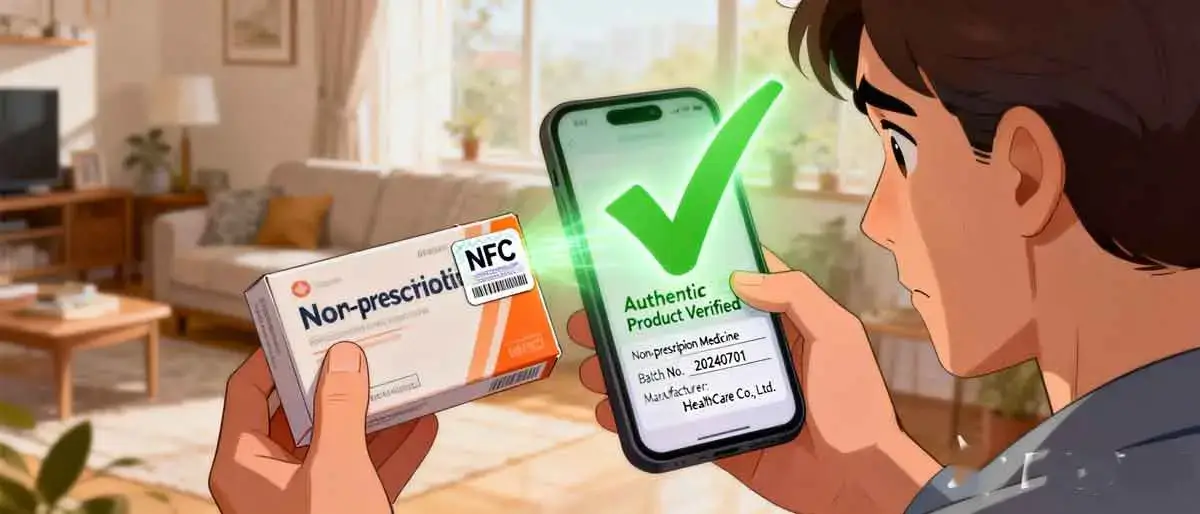
The Global Proliferation of Counterfeit Drugs Seriously Erodes the Public’s Trust in the Pharmaceutical System
According to the World Health Organization, Approximately 10% of Drugs in Global Circulation Are Counterfeit or Substandard
The global pharmaceutical industry is confronting a severe crisis posed by counterfeit drugs, which not only endangers public health but also seriously erodes the public’s trust in the entire pharmaceutical system. According to the World Health Organization (WHO), approximately 10% of drugs in global circulation are counterfeit or substandard. These counterfeit drugs often contain incorrect ingredients, insufficient active pharmaceutical ingredients (APIs), or even harmful substances, making them ineffective at treating diseases and potentially fatal. The proliferation of such drugs is driven by the huge profits that counterfeiters can reap, as they avoid the high costs of research and development, quality control, and regulatory compliance. This issue is not limited to specific regions or drug categories; it affects both brand-name and generic drugs, covering everything from common over-the-counter medications to life-saving drugs for cancer, cardiovascular diseases, and infectious diseases. NFC Sticker has emerged as a promising technological solution to address this crisis, offering a reliable and accessible way to verify drug authenticity, thereby helping to rebuild public trust in the pharmaceutical system.
In Certain Regions of Developing Countries, This Proportion May Be As High As 30%
The problem of counterfeit drugs is particularly acute in developing countries, where weak regulatory frameworks, inadequate law enforcement, and poor supply chain management create favorable conditions for counterfeiters. In certain regions of developing countries, the proportion of counterfeit or substandard drugs in circulation may be as high as 30%. This alarming figure reflects the significant challenges these countries face in ensuring drug safety. In many of these regions, access to genuine drugs is already limited, and the presence of counterfeit drugs further exacerbates the public health crisis. Patients often cannot distinguish between genuine and counterfeit drugs, leading them to waste money on ineffective treatments and delaying access to life-saving care. The high prevalence of counterfeit drugs also undermines the efforts of governments and international organizations to improve public health outcomes. To combat this issue, there is an urgent need for low-cost, easy-to-implement technological solutions that can be widely adopted in both urban and rural areas. NFC Sticker, with its simple operation and low cost, is well-suited to meet these needs, providing a practical tool for consumers in developing countries to verify drug authenticity.
Counterfeit Drugs Directly Cause Hundreds of Thousands of Deaths Each Year and Exacerbate Public Health Crises Such as Antibiotic Resistance
The human cost of counterfeit drugs is devastating. Counterfeit drugs directly cause hundreds of thousands of deaths each year worldwide. For example, counterfeit antimalarial drugs in sub-Saharan Africa have been linked to the deaths of tens of thousands of people annually, as they fail to treat the disease and allow the malaria parasite to spread. Similarly, counterfeit antibiotics are a major contributor to the global public health crisis of antibiotic resistance. When patients take counterfeit antibiotics that contain insufficient APIs, the bacteria causing their infection are not fully eliminated, leading to the development of drug-resistant strains. These resistant strains can then spread to others, making common infections increasingly difficult to treat. The economic impact of counterfeit drugs is also substantial, with losses estimated at billions of dollars annually for the pharmaceutical industry, governments, and consumers. Moreover, the proliferation of counterfeit drugs erodes public confidence in healthcare systems, leading to reduced compliance with treatment regimens and increased hesitancy to seek medical care. NFC Sticker technology offers a way to mitigate these risks by enabling consumers to quickly and easily verify the authenticity of drugs, thereby reducing the circulation of counterfeit products and protecting public health.
Smart Labels Build an End-to-End Transparent Anti-Counterfeiting System from Production to Consumption
Each Drug Package Is Affixed with an NFC Anti-Counterfeiting Label with a Unique Encrypted Serial Number
To address the crisis of counterfeit drugs, the pharmaceutical industry is increasingly turning to smart label technology, with NFC Sticker playing a central role in building an end-to-end transparent anti-counterfeiting system. Each drug package is affixed with an NFC Anti-Counterfeiting Sticker that contains a unique encrypted serial number. This serial number is generated using advanced encryption algorithms, ensuring that it cannot be duplicated or tampered with by counterfeiters. The uniqueness of the serial number means that each drug package can be individually tracked and verified throughout the supply chain. Unlike traditional anti-counterfeiting labels, which are often easy to copy, NFC Sticker uses radio frequency identification technology to store and transmit data securely. The encrypted serial number is stored in the chip of the NFC Sticker, making it inaccessible to counterfeiters without the appropriate decryption keys. This level of security ensures that only genuine drugs bearing valid NFC Stickers can be verified as authentic, providing a robust barrier against counterfeiting.
The Label Is Activated on the Production Line and Bound to the Batch’s Master Data (Production Batch Number, Expiry Date, Etc.) in a Secure Cloud
The NFC Sticker is activated on the pharmaceutical production line, marking the start of its end-to-end tracking journey. During activation, the unique encrypted serial number of the NFC Sticker is bound to the master data of the drug batch, including the production batch number, expiry date, manufacturing location, and quality control information. This binding process is carried out in a secure cloud-based platform, which uses advanced encryption and access control mechanisms to protect the integrity and confidentiality of the data. The secure cloud platform serves as a central repository for all drug-related information, allowing authorized stakeholders, including pharmaceutical manufacturers, distributors, regulators, and consumers, to access accurate and up-to-date data. By linking the NFC Sticker to the batch’s master data, the system ensures that every drug package can be traced back to its origin, providing full transparency in the supply chain. This transparency is crucial for identifying and removing counterfeit drugs from the market, as any package that cannot be linked to valid master data can be immediately flagged as suspicious.
Consumers Can Use an NFC-Enabled Smartphone to Tap the Sticker to Verify the Authenticity and Production Information of the Drug in Real Time
One of the key advantages of NFC Sticker technology is its ease of use for consumers. To verify the authenticity of a drug, consumers simply need to use an NFC-enabled smartphone to tap the NFC Sticker on the drug package. This action triggers a real-time connection to the secure cloud platform, which verifies the unique encrypted serial number and retrieves the associated production information. Within seconds, the consumer receives a clear notification on their smartphone indicating whether the drug is authentic. If the drug is genuine, the notification will also display key production information, such as the production batch number, expiry date, and manufacturing location. If the drug is counterfeit, the consumer will receive a warning message, advising them not to use the product and providing information on how to report the counterfeit. This real-time verification process is simple, fast, and accessible to most consumers, as NFC technology is now standard in most modern smartphones. By empowering consumers to verify drug authenticity on their own, NFC Sticker technology transforms them from passive victims of counterfeit drugs into active participants in drug safety.
Two-Layer Authentication Mechanism Ensures System Security and Promotes Consumer Participation
Layer 1 (Basic Verification): Consumers Immediately Receive a Green Safety Prompt of “Drug Verified” and Basic Information After Scanning
The NFC Sticker-based anti-counterfeiting system employs a two-layer authentication mechanism to ensure security while promoting consumer participation. Layer 1, known as basic verification, is designed to be quick and effortless for consumers. When a consumer taps their NFC-enabled smartphone on the NFC Sticker, the system immediately performs a basic verification of the unique encrypted serial number. If the serial number is valid and matches the master data in the secure cloud, the consumer receives an immediate green safety prompt of “Drug Verified” on their smartphone screen. Along with this prompt, the system displays basic information about the drug, including the product name, active ingredients, expiry date, and production batch number. This basic verification process requires no registration or personal information from the consumer, ensuring that it is accessible to everyone. The green safety prompt provides consumers with instant reassurance about the authenticity of the drug, helping to build trust in the product and the pharmaceutical system. This layer of authentication is crucial for encouraging widespread use of the system, as it removes barriers to participation.
Layer 2 (In-depth Participation): Consumers Can Voluntarily Choose to Register and Report Drug Usage Experience (Such as Side Effects) to Earn Points Rewards
Layer 2 of the authentication mechanism, known as in-depth participation, encourages consumers to engage more actively in drug safety by offering voluntary registration and points rewards. After completing the basic verification, consumers are given the option to register an account on the system using their email address or phone number. Once registered, they can report their drug usage experience, including any side effects, effectiveness, or other relevant information. This feedback is invaluable for pharmaceutical manufacturers, regulators, and healthcare providers, as it helps to monitor the real-world performance of drugs and identify potential safety issues. To incentivize participation, the system offers points rewards for each valid report submitted by consumers. These points can be redeemed for a variety of rewards, such as discounts on future drug purchases, gift cards, or health-related products and services. The points system not only encourages consumers to report their experiences but also fosters a sense of community and shared responsibility for drug safety. By combining basic verification with in-depth participation, the NFC Sticker-based system creates a win-win situation for both consumers and the pharmaceutical industry.
All Verification and Reporting Behaviors Are Anonymized to Strictly Protect Consumer Privacy
Protecting consumer privacy is a top priority of the NFC Sticker-based anti-counterfeiting system. All verification and reporting behaviors are anonymized, ensuring that consumers’ personal information is not linked to their verification history or feedback. When a consumer performs a basic verification, no personal data is collected or stored by the system. For registered users who choose to participate in in-depth reporting, their personal information is encrypted and stored securely, and their reports are linked to a unique anonymous identifier rather than their actual identity. This anonymization process ensures that consumers can feel confident in reporting their experiences without fear of their personal information being misused or disclosed. The system also complies with global data protection regulations, such as the General Data Protection Regulation (GDPR) in the European Union, further ensuring the security of consumer data. By prioritizing privacy protection, the system builds trust with consumers, encouraging more people to participate in the verification and reporting process. This trust is essential for the long-term success of the system, as it relies on widespread consumer participation to effectively combat counterfeit drugs.
Hilton Hotel Group’s Anti-Counterfeiting Practices Provide Data Reference for Cross-Industry Applications
Although the Main Body Is the Hotel Industry, Its Experience in Deploying RFID/NFC Technology in the Supply Chain to Achieve Genuine Product Traceability Is Learned by the Pharmaceutical Industry
While the hotel industry may seem unrelated to pharmaceuticals, Hilton Hotel Group’s successful deployment of RFID/NFC technology for supply chain traceability and anti-counterfeiting has provided valuable data and insights for the pharmaceutical industry’s adoption of NFC Sticker technology. Hilton implemented RFID/NFC technology to track and verify genuine products throughout its supply chain, including linens, toiletries, and equipment. This technology enabled the hotel group to ensure that all products used in its properties were genuine and met its quality standards, while also reducing the risk of counterfeit products entering the supply chain. The pharmaceutical industry has recognized the similarities between the hotel industry’s supply chain challenges and its own, particularly in terms of the need for end-to-end traceability and authenticity verification. As a result, the pharmaceutical industry has learned from Hilton’s experience, adapting the deployment strategies and best practices of RFID/NFC technology to meet its specific needs. This cross-industry learning has accelerated the development and implementation of NFC Sticker-based anti-counterfeiting systems in the pharmaceutical sector.
Its Key Data Shows That After Implementing Supply Chain Transparency Through Technology, Customer Trust in Related Products Increased by 29%
One of the most significant insights from Hilton’s RFID/NFC deployment is the positive impact that supply chain transparency has on customer trust. Key data from Hilton’s implementation shows that after deploying the technology to achieve supply chain transparency, customer trust in the related products increased by 29%. This data is particularly relevant to the pharmaceutical industry, as building consumer trust is a critical goal of anti-counterfeiting efforts. Consumers are more likely to purchase and use products that they can verify as genuine, and supply chain transparency provides the evidence needed to build this trust. The 29% increase in customer trust observed by Hilton demonstrates the potential of NFC Sticker technology to rebuild public trust in the pharmaceutical system. By providing consumers with clear, verifiable information about the origin and authenticity of drugs, the pharmaceutical industry can expect to see a similar increase in consumer trust, which will ultimately lead to improved patient compliance and better public health outcomes.
This Data Model Is Used to Evaluate the Potential Consumer Trust Gains and Market Value of the Drug Anti-Counterfeiting System
Hilton’s data on customer trust gains has been formalized into a data model that the pharmaceutical industry is using to evaluate the potential benefits of NFC Sticker-based drug anti-counterfeiting systems. This data model takes into account factors such as the current level of consumer trust in the pharmaceutical system, the expected reduction in counterfeit drugs due to the technology, and the potential increase in consumer trust as a result of improved transparency. By applying this model, pharmaceutical companies and regulators can estimate the potential consumer trust gains and market value of implementing NFC Sticker technology. For example, the model can predict how much more likely consumers are to purchase a drug that has an NFC Sticker for authenticity verification, and how this increased trust will translate into higher sales and market share. The model also helps to justify the investment in NFC Sticker technology by quantifying the expected return in terms of improved public health, reduced healthcare costs, and increased brand value. This data-driven approach has been instrumental in convincing pharmaceutical companies and governments to invest in the widespread adoption of NFC Sticker technology for drug anti-counterfeiting.
Personalized Medication Safety Assistant Function Enhances Patients’ Treatment Adherence and Management Capabilities
For Chronic Disease Patients, the System Can Provide Medication Reminders and Interactive Records Based on Verified Drug Information
Beyond anti-counterfeiting, NFC Sticker technology offers additional benefits to patients through its personalized medication safety assistant function. For chronic disease patients, who often need to take multiple medications on a strict schedule, the system can provide medication reminders and interactive records based on the verified drug information from the NFC Sticker. When a patient verifies a drug using the NFC Sticker, the system automatically adds the drug to their personalized medication schedule. The system then sends timely reminders to the patient’s smartphone, notifying them when it is time to take their medication. The interactive records feature allows patients to log when they have taken their medication, providing a clear history of their adherence to the treatment regimen. This function is particularly valuable for chronic disease patients, as non-adherence to medication can lead to worsening health outcomes, increased hospitalizations, and higher healthcare costs. By helping patients stay on track with their medication, the NFC Sticker-based system enhances their treatment adherence and management capabilities, improving their overall quality of life.
When a Patient Attempts to Take Two Verified Drugs That May Interact with Each Other, the System Will Issue a Safety Warning
Another important feature of the personalized medication safety assistant is its ability to issue safety warnings about potential drug-drug interactions. When a patient verifies two or more drugs using NFC Stickers, the system cross-references the active ingredients and other drug information stored in the secure cloud. If the system detects that two or more of the verified drugs may interact with each other, it immediately issues a safety warning to the patient’s smartphone. The warning includes information about the potential risks of the interaction, such as reduced effectiveness of the drugs, increased side effects, or serious health complications. This feature is crucial for patient safety, as drug-drug interactions are a common cause of adverse drug events, particularly among patients taking multiple medications. By providing real-time warnings, the NFC Sticker-based system helps patients avoid dangerous drug combinations, ensuring that they take their medications safely. This function also reduces the burden on healthcare providers, as patients are better equipped to manage their own medication safety.
Patients Can Authorize Their Attending Physicians to Securely Access Their Anonymized Medication Verification and Reporting Records to Assist in Diagnosis and Treatment
To further enhance patient care, the system allows patients to authorize their attending physicians to securely access their anonymized medication verification and reporting records. These records include information about the drugs the patient has verified, their medication adherence history, and any side effects or other feedback they have reported. By accessing this information, physicians can gain a more comprehensive understanding of the patient’s medication use and response to treatment, which helps in making more accurate diagnoses and developing more effective treatment plans. The access is granted on a voluntary basis, and the records remain anonymized to protect patient privacy. The secure access mechanism uses advanced encryption and authentication protocols to ensure that only authorized physicians can view the records. This collaboration between patients and physicians improves the quality of healthcare, as it enables personalized treatment based on real-world medication data. The NFC Sticker-based system thus serves as a bridge between patients and healthcare providers, facilitating better communication and more effective care.
From Passive Verification to Active Co-governance: Building a Socialized Drug Safety Ecosystem
In the Future, the System Will Introduce the Concept of “Community Medicine Cabinets”, Allowing Residents to Donate Unopened Verified Drugs for Emergency Use by Others
Looking to the future, the NFC Sticker-based drug safety system aims to evolve from passive verification to active co-governance, building a socialized drug safety ecosystem. One of the key initiatives in this evolution is the introduction of the “Community Medicine Cabinets” concept. Under this concept, residents will be able to donate unopened, verified drugs (that are still within their expiry date) to community-based medicine cabinets. These donated drugs will be available for emergency use by other community members who need them urgently, such as patients who have run out of their medication and cannot immediately access a pharmacy. The NFC Sticker technology will be used to verify the authenticity and expiry date of the donated drugs, ensuring that only safe and genuine drugs are made available. This initiative not only reduces drug waste but also promotes community solidarity and shared responsibility for drug safety. By encouraging residents to participate in the donation and use of verified drugs, the system fosters a sense of active co-governance, making drug safety a community-wide effort.
Location-Based Anonymous Counterfeit Drug Warning Function Can Alert Users in the Surrounding Area When Multiple Counterfeit Drug Reports Are Received in a Certain Region
Another key feature of the future socialized drug safety ecosystem is the location-based anonymous counterfeit drug warning function. This function will leverage the geolocation data from consumers’ smartphones (with their consent) to track the location of counterfeit drug reports. When multiple counterfeit drug reports are received in a specific region, the system will automatically issue anonymous warnings to users in the surrounding area. These warnings will inform users about the presence of counterfeit drugs in their area, advising them to be vigilant when purchasing and verifying drugs. The anonymous nature of the warnings ensures that the privacy of the users who reported the counterfeit drugs is protected. This location-based warning system is a powerful tool for preventing the spread of counterfeit drugs, as it enables consumers to take proactive measures to protect themselves. It also helps law enforcement agencies target their anti-counterfeiting efforts more effectively, as they can focus on regions with high numbers of counterfeit drug reports. By empowering consumers with real-time, location-specific information, the NFC Sticker-based system enhances the overall effectiveness of the drug safety ecosystem.
Data Cooperation with Medical Institutions and Insurance Companies to Explore Using Medication Verification and Adherence as Key Indicators for Health Management
To further strengthen the socialized drug safety ecosystem, the system will establish data cooperation with medical institutions and insurance companies. The goal of this cooperation is to explore using medication verification and adherence, as tracked by the NFC Sticker system, as key indicators for health management. For example, insurance companies could offer incentives, such as lower premiums, to policyholders who consistently verify their drugs and adhere to their medication regimens. Medical institutions could use medication adherence data to identify patients who may be at risk of poor health outcomes due to non-adherence and provide targeted interventions. This data cooperation creates a holistic approach to health management, linking drug safety, medication adherence, and overall health outcomes. It also incentivizes consumers to actively participate in the drug safety ecosystem, as their efforts to verify drugs and adhere to their treatment can lead to tangible benefits. By integrating NFC Sticker technology into broader health management systems, the pharmaceutical industry, medical institutions, and insurance companies can work together to improve public health and reduce healthcare costs.
Why Choose Mytopband?
- Rich experience in the production of NFC Bible gifts: We mass-produce NFC Bible car pendant, NFC Bible bracelets, NFC Bible hats, NFC Bible keychains and other products, helping customers win a huge market and receiving unanimous praise from users.
- Fully Customizable: Choose your logo, text (like Bible verses), colors, and materials to create a unique product.
- Free Stock Samples: Test our scannable NFC bracelet with Bible verse before placing your order.
- Low MOQ as 500pcs: Perfect for startups and small businesses.

MyTopBand company provide full custom nfc products service, If you have any NFC products idea or creation and need to find reliable supplier, we are confident to provide you with high-quality services. Please find us: www.mytopband.com, or send message to info@mytopband.com, we will reply you within 24 hours.