
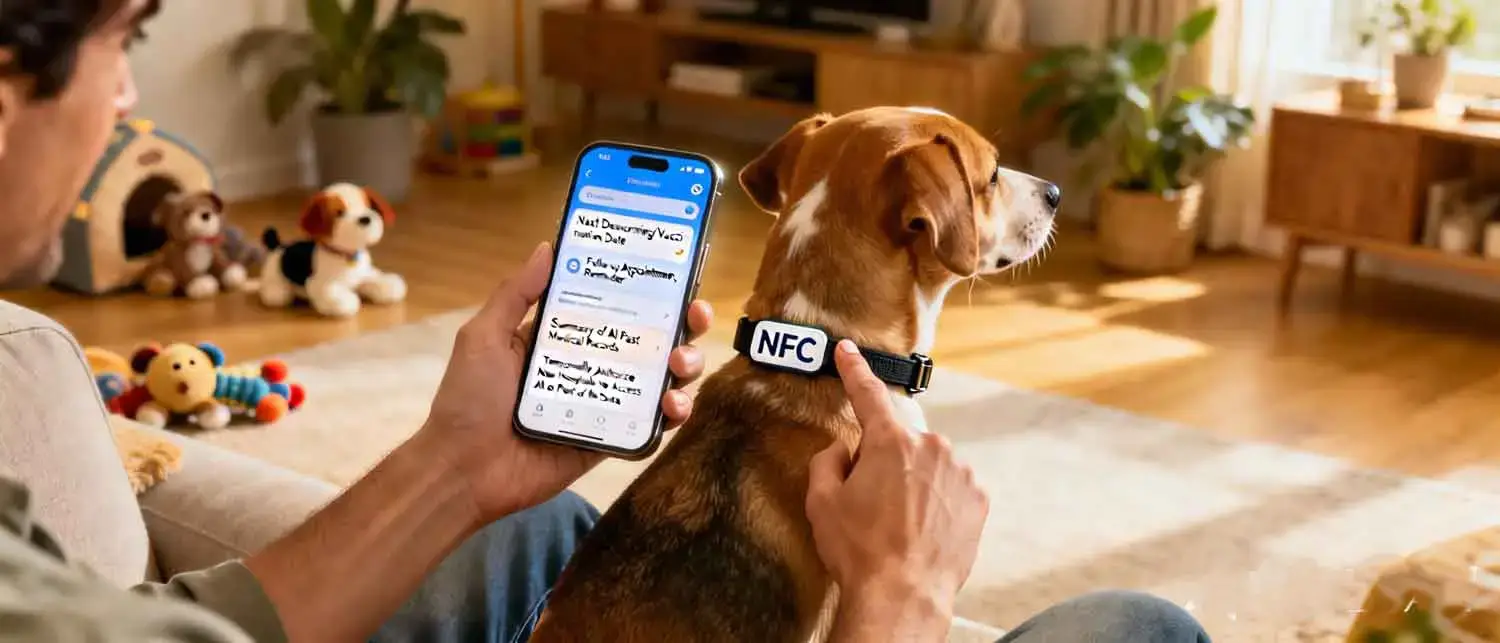
Traditional Paper Medical Records Cause Severe Isolation of Pet Health Information
When Pets Need Referral or Emergency Off-Site Medical Treatment, Over 85% of Health Information Cannot Be Timely Obtained by New Veterinarians
Pet healthcare relies heavily on the continuity and accessibility of health information, yet traditional paper medical records have become a major barrier to effective care, leading to severe isolation of pet health data. A critical issue arises during referral or emergency off-site medical treatment: statistics show that over 85% of health information cannot be timely obtained by new veterinarians. This information gap is particularly dangerous in emergency situations, where delayed access to key data such as allergy histories, previous surgeries, or chronic disease diagnoses can hinder accurate diagnosis and timely treatment, putting pets’ lives at risk. For example, a pet with a hidden heart condition may experience a life-threatening reaction if a new veterinarian, unaware of the condition, administers a incompatible medication. NFC Stickers offer a transformative solution to break down these information silos. By storing comprehensive pet health records in a digital format accessible via near-field communication, NFC Stickers enable authorized veterinarians to instantly retrieve complete health information, ensuring seamless continuity of care regardless of the treatment location and addressing the critical limitations of traditional paper records.
The Average Time to Locate and Organize Paper Medical Records Is as Long as 23 Minutes, Seriously Delaying the Treatment Process
Beyond the issue of information inaccessibility, traditional paper medical records are inherently inefficient, leading to significant delays in the treatment process. Data indicates that the average time to locate and organize paper medical records is as long as 23 minutes. This delay occurs at a critical juncture—when a pet arrives at the clinic, often in distress—and can have serious consequences for its health. For instance, a pet suffering from acute poisoning requires immediate intervention, but the 23-minute wait to find its paper records can delay the administration of life-saving antidotes. Additionally, this inefficiency increases operational costs for veterinary clinics, as staff spend valuable time managing and retrieving physical records instead of focusing on patient care. NFC Stickers eliminate these delays by enabling instant access to pet health records. With a simple scan of the NFC Sticker attached to the pet’s collar, veterinarians can retrieve all relevant health information within seconds, streamlining the check-in process and ensuring that treatment begins promptly. This efficiency not only improves the quality of care but also enhances the overall operational performance of veterinary facilities.
Electronic Records Managed by Owners Themselves Are Fragmented and Inconsistent in Format, Lacking Industry Interoperability Standards
Some pet owners attempt to address the limitations of paper records by maintaining electronic records themselves, but this approach introduces new problems: these self-managed electronic records are fragmented and inconsistent in format, lacking industry-wide interoperability standards. Pet owners may store health information across multiple platforms—such as notes on their phones, spreadsheets, or third-party apps—making it difficult to compile a complete and coherent health history. Furthermore, the lack of standardization means that the information is often unstructured and incompatible with veterinary clinic systems, requiring staff to spend additional time organizing and verifying the data. This fragmentation and inconsistency can lead to missing or inaccurate information, compromising the quality of care. NFC Stickers solve this problem by integrating with a standardized digital health management system. All health information—including vaccination records, medication histories, and diagnostic reports—is stored in a unified, structured format that is compatible with veterinary clinic systems. This standardization ensures that pet health records are complete, consistent, and easily accessible to authorized caregivers, eliminating the inefficiencies and risks associated with fragmented owner-managed electronic records.
Weather-Resistant NFC Stickers Adapt to High-Activity Application Scenarios in Pet Lives
The Stickers Are Encapsulated in Medical-Grade Silicone and Fixed Inside the Pet Collar, Achieving IP68 Waterproof and Dustproof Rating
Pets lead active lives that expose them to a variety of harsh environments—from rain and mud to sand and water activities—so any pet healthcare device must be highly durable and weather-resistant. NFC Stickers are designed to meet these demands, featuring medical-grade silicone encapsulation and a secure attachment inside the pet collar, achieving an IP68 waterproof and dustproof rating. The IP68 rating is the highest level of protection against dust and water, ensuring that the NFC Stickers remain fully functional even when submerged in water up to 1.5 meters deep for extended periods. This durability is critical for pets that enjoy swimming, playing in the rain, or exploring dusty outdoor areas, as it prevents water or debris from damaging the electronic components of the sticker. The medical-grade silicone material is also hypoallergenic, ensuring that it does not irritate the pet’s skin even with long-term contact. By combining robust weather resistance with skin-friendly materials, NFC Stickers are perfectly suited to the high-activity lifestyles of pets, providing reliable performance in any environment.
Arc-Shaped Structure and Anti-Drop Buckles Specifically Designed for Pets Ensure Stable Wearing During Intense Activities
In addition to weather resistance, NFC Stickers are engineered with pet-specific design features to ensure stable wearing during intense activities. The stickers feature an arc-shaped structure that conforms to the contour of the pet’s neck, reducing discomfort and preventing the sticker from protruding or catching on objects during play. Complementing this ergonomic design are anti-drop buckles that secure the sticker firmly to the collar, preventing it from falling off even during vigorous activities such as running, jumping, or wrestling with other animals. This stability is essential for ensuring that the NFC Sticker is always available when needed—whether for a routine check-up or an emergency. Traditional pet identification tags often fall off easily, leading to lost or inaccessible information, but the combination of the arc-shaped structure and anti-drop buckles ensures that NFC Stickers remain securely attached. Pet owners can have peace of mind knowing that their pet’s health information is always accessible, regardless of how active their pet may be.
Special Antenna Design Achieves a Reading Distance of 3-5cm, Balancing Data Security and Scanning Convenience
A key consideration in the design of NFC Stickers for pet healthcare is balancing data security with scanning convenience. To address this, the stickers feature a special antenna design that achieves a reading distance of 3-5cm. This limited reading range enhances data security by preventing unauthorized access to the pet’s health information—only individuals with direct physical access to the sticker (such as veterinarians or authorized caregivers) can scan it. Unlike RFID tags with longer reading ranges, which are vulnerable to unauthorized scanning, NFC Stickers require close proximity, ensuring that sensitive health data remains protected. At the same time, the 3-5cm reading distance provides sufficient convenience for daily use: veterinarians can easily scan the sticker with a smartphone or dedicated reader without having to handle the pet excessively, reducing stress for both the pet and the caregiver. This balance of security and convenience makes NFC Stickers an ideal solution for storing and accessing sensitive pet health information, ensuring that data is both protected and easily retrievable when needed.
Intelligent Health Management System Enables Full-Lifecycle Proactive Care
The System Automatically Sends Vaccination Reminders to the Owner’s Mobile Phone 14 Days in Advance Based on the Recorded Vaccination Cycle
NFC Stickers are not just passive storage devices—they integrate with an intelligent health management system that enables proactive, full-lifecycle care for pets. One of the key features of this system is automatic vaccination reminders: based on the vaccination cycle recorded in the pet’s digital health record, the system automatically sends a reminder to the owner’s mobile phone 14 days in advance of the due date. This proactive reminder helps ensure that pets receive their vaccinations on time, protecting them from preventable diseases such as distemper, parvovirus, and rabies. Missed vaccinations are a common problem with traditional paper records, as owners often forget or lose track of the schedule, but the automatic reminders eliminate this risk. The reminders include details such as the type of vaccine needed, the recommended clinic (if preferred), and a link to schedule an appointment, making it easy for owners to take action. By ensuring timely vaccinations, the intelligent system supported by NFC Stickers helps maintain the long-term health of pets and reduces the risk of costly and life-threatening illnesses.
For Pets with Chronic Diseases, the System Pushes Medication Reminders and Follow-Up Appointment Recommendations
For pets with chronic diseases such as diabetes, arthritis, or kidney disease, consistent medication and regular follow-up care are critical for managing their condition. The intelligent health management system integrated with NFC Stickers addresses this need by pushing medication reminders and follow-up appointment recommendations to the owner’s mobile phone. The medication reminders include the type of medication, the dosage, and the time of administration, helping owners adhere to the prescribed treatment plan. For pets requiring regular check-ups, the system automatically recommends follow-up appointments based on the veterinarian’s instructions and sends reminders to schedule these visits. This proactive approach helps prevent the deterioration of chronic conditions, improves the pet’s quality of life, and reduces the need for emergency care. Additionally, the system records all medication administrations and follow-up visits in the pet’s digital health record (accessible via the NFC Sticker), providing veterinarians with a complete and up-to-date picture of the pet’s condition. This continuity of care is essential for effectively managing chronic diseases and ensuring the best possible outcomes for pets.
Integrate Wearable Device Data to Provide Exercise Analysis and Abnormal Behavior Pattern Alerts
To further enhance proactive care, the intelligent health management system integrates data from pet wearable devices (such as activity trackers or smart collars) with the information stored in NFC Stickers, providing comprehensive exercise analysis and abnormal behavior pattern alerts. The system collects data on the pet’s daily activity levels, sleep patterns, and movement intensity, generating personalized exercise reports for owners. These reports help owners ensure that their pets get the appropriate amount of physical activity, which is essential for maintaining a healthy weight and preventing obesity-related conditions such as joint pain or diabetes. More importantly, the system uses advanced algorithms to detect abnormal behavior patterns—such as sudden decreases in activity, excessive sleeping, or unusual eating habits—that may indicate underlying health issues. When such patterns are detected, the system sends an alert to the owner’s mobile phone, recommending a veterinary check-up. This early detection of potential health problems allows for timely intervention, often before symptoms become severe, improving the chances of successful treatment and reducing healthcare costs. By integrating wearable device data with NFC Stickers, the intelligent system provides a holistic view of a pet’s health, enabling truly proactive and personalized care.
Application in Banfield Pet Hospital Chain System Achieves Significant Operational Improvements
The Average Front Desk Waiting Time in Clinics Deploying the NFC Medical Record System Is Reduced by 58%
The effectiveness of NFC Stickers in improving pet healthcare operations has been validated through their application in the Banfield Pet Hospital chain system, one of the largest veterinary networks in the world. A key operational improvement observed is a 58% reduction in average front desk waiting time in clinics deploying the NFC medical record system. Traditional check-in processes involve lengthy paperwork, manual retrieval of paper records, and data entry, which can lead to long wait times for pet owners. With NFC Stickers, the check-in process is streamlined: upon arrival, the front desk staff simply scans the pet’s NFC Sticker to instantly retrieve the pet’s health record and owner information, eliminating the need for manual data entry and record retrieval. This efficiency not only reduces waiting times but also improves the overall customer experience, as owners no longer have to endure long queues or fill out repetitive forms. For Banfield, this reduction in waiting time has increased clinic throughput, allowing the hospital to serve more pets while maintaining high-quality care. The success of the NFC Sticker system in reducing front desk waiting time demonstrates its potential to transform veterinary clinic operations.
The Veterinary Pre-Consultation Preparation Time Is Reduced from 17 Minutes to 4 Minutes, with Information Accuracy Improved to 99.5%
Another significant operational improvement from the deployment of NFC Stickers at Banfield Pet Hospitals is the reduction in veterinary pre-consultation preparation time, which decreased from 17 minutes to just 4 minutes, accompanied by an increase in information accuracy to 99.5%. Before the adoption of NFC Stickers, veterinarians spent a great deal of time locating, reviewing, and organizing paper records, which were often incomplete or inaccurate. With the NFC system, veterinarians can access the pet’s complete, up-to-date health record—including vaccination history, medication records, diagnostic reports, and previous consultation notes—with a single scan. This instant access to accurate information allows veterinarians to prepare for consultations more efficiently, focusing their time on diagnosing and treating the pet rather than managing records. The 99.5% information accuracy rate ensures that veterinarians have reliable data to base their decisions on, reducing the risk of misdiagnosis or medication errors. This improvement in pre-consultation efficiency and information accuracy not only enhances the quality of care but also increases veterinarian productivity and job satisfaction.
The Completeness of Medical Information Handover for Referral Cases Is Increased from 41% to 98%
Referral cases are a common challenge in veterinary medicine, as the completeness of medical information handover is often poor, leading to delays in treatment and compromised care. The deployment of NFC Stickers at Banfield Pet Hospitals has addressed this issue, increasing the completeness of medical information handover for referral cases from 41% to 98%. Traditional referral processes rely on manual transfer of paper records or fragmented electronic files, which are often missing critical information such as diagnostic images, lab results, or medication histories. With NFC Stickers, all relevant health information is stored in a single, digital format that can be easily accessed by the receiving veterinarian with the owner’s authorization. When a pet is referred to another Banfield clinic or a specialist, the referring veterinarian ensures that the complete health record is updated in the system, and the receiving veterinarian can instantly retrieve it by scanning the pet’s NFC Sticker. This seamless information handover ensures that the receiving veterinarian has all the data needed to provide continuity of care, reducing delays and improving treatment outcomes. The 98% completeness rate is a dramatic improvement over traditional methods, demonstrating the transformative impact of NFC Stickers on referral processes.
Secure Data Sharing Based on Owner Authorization Opens a New Model of Collaborative Healthcare
Owners Can Authorize Specific Veterinarians to Temporarily Access Their Pet’s Complete Encrypted Medical Records with One Click on the App
NFC Stickers enable a new model of collaborative pet healthcare through secure data sharing based on owner authorization. A key feature of this model is the ability for owners to authorize specific veterinarians to temporarily access their pet’s complete encrypted medical records with a single click on the associated mobile app. This granular authorization ensures that pet health data remains secure while enabling collaborative care—for example, when a pet is referred to a specialist, the owner can grant the specialist temporary access to the pet’s records without sharing sensitive information with unauthorized parties. The medical records are encrypted to protect against data breaches, and the one-click authorization process is simple and user-friendly, making it easy for owners to manage access to their pet’s health information. This secure data sharing model eliminates the need for manual transfer of records and ensures that all authorized caregivers have access to the most up-to-date information, facilitating collaboration and improving the quality of care. Pet owners retain full control over their pet’s data, enhancing trust in the healthcare system.
In Emergency Situations, Partner Hospitals Participating in the System Can Retrieve Critical Treatment Information by Scanning the Collar
In emergency situations, quick access to critical pet health information can be a matter of life and death. To address this, NFC Stickers enable partner hospitals participating in the system to retrieve critical treatment information by scanning the pet’s collar—even without prior authorization—while still maintaining data security. The system is designed to provide access to only the most essential information in emergencies, such as allergy histories, current medications, chronic conditions, and previous surgeries, ensuring that veterinarians can make immediate, informed treatment decisions. After the emergency is resolved, the access is automatically revoked, and a record of the access is stored for the owner’s review. This balance of emergency access and data security is critical for ensuring that pets receive timely care in crisis situations while protecting their privacy. For pet owners, this feature provides peace of mind knowing that their pet’s critical health information will be available to emergency caregivers when needed, even if the owner is not present or unable to communicate.
All Data Access Is Recorded on the Blockchain to Ensure Full Traceability and Tamper-Proof
To further enhance data security and trust, all data access to pet health records stored in NFC Stickers is recorded on the blockchain, ensuring full traceability and tamper-proof. Blockchain technology provides an immutable, decentralized ledger that records every instance of data access, including who accessed the data, when, and for what purpose. This traceability allows pet owners to review a complete history of their pet’s data access, ensuring that no unauthorized access has occurred. Additionally, the tamper-proof nature of blockchain ensures that the access records cannot be altered or deleted, providing a reliable audit trail for both owners and veterinary clinics. This level of transparency and security is unprecedented in pet healthcare, addressing growing concerns about data privacy and security. By leveraging blockchain technology, NFC Stickers provide a secure and trustworthy platform for storing and sharing pet health information, building trust between pet owners and veterinary caregivers and facilitating the widespread adoption of collaborative healthcare models.
Multi-Source Data Fusion Builds an Early Prediction Model for Pet Health Risks
The System Anonymously Aggregates Massive Desensitized Medical Records to Train Onset Age Prediction Models for Common Diseases in Specific Breeds
NFC Stickers enable the development of advanced pet health risk prediction models through the fusion of multi-source data, starting with the anonymous aggregation of massive desensitized medical records. The system collects and anonymizes health data from thousands of pets, removing all personally identifiable information to protect privacy while retaining valuable insights about breed-specific health trends. This aggregated data is used to train machine learning models that predict the onset age of common diseases in specific breeds—for example, hip dysplasia in German Shepherds, kidney disease in Persians, or heart disease in Cavalier King Charles Spaniels. These breed-specific prediction models enable early identification of pets at high risk of developing certain diseases, allowing veterinarians and owners to take proactive measures to prevent or mitigate the impact of the disease. For example, a model predicting that a Golden Retriever is at high risk of developing elbow dysplasia at 2-3 years of age can prompt the owner to schedule regular screenings and adjust the pet’s exercise routine to reduce joint stress. By leveraging the large volume of data collected through NFC Stickers, these prediction models become increasingly accurate, providing personalized health risk assessments for pets.
Combine Environmental Data (Such as Air Quality and Pollen Index) to Assess the Risk of Pet Allergies or Respiratory Diseases
To enhance the accuracy of health risk predictions, the system combines the pet health data stored in NFC Stickers with environmental data—such as air quality, pollen index, temperature, and humidity—to assess the risk of allergies or respiratory diseases. Environmental factors play a significant role in pet health, with poor air quality and high pollen counts often triggering allergic reactions or exacerbating respiratory conditions such as asthma. The system integrates real-time and historical environmental data from local weather stations and environmental monitoring agencies with the pet’s health record, generating personalized risk assessments. For example, if a pet has a history of allergic dermatitis and the local pollen index is high, the system will alert the owner to the increased risk of a flare-up, recommending preventive measures such as limiting outdoor activities or administering antihistamines as prescribed by the veterinarian. This integration of environmental data with pet health information provides a more comprehensive understanding of health risks, enabling truly proactive and personalized care. By addressing environmental factors, the system helps reduce the incidence and severity of allergy and respiratory-related illnesses in pets.
Push Customized Preventive Screening and Healthcare Recommendations to Owners of High-Risk Breed Pets
The ultimate goal of the multi-source data fusion and risk prediction models is to provide customized preventive screening and healthcare recommendations to owners of high-risk breed pets. Based on the breed-specific disease prediction models and environmental risk assessments, the system generates personalized recommendations tailored to each pet’s unique needs. These recommendations may include specific preventive screenings (such as hip X-rays for high-risk large breeds), dietary adjustments (such as low-purine diets for pets at risk of kidney disease), exercise modifications, or supplements to support joint health. The recommendations are pushed to the owner’s mobile phone via the associated app, along with educational content explaining the rationale behind the recommendations and how to implement them. For example, an owner of a Persian cat at high risk of kidney disease may receive a recommendation to schedule annual kidney function screenings and switch to a kidney-friendly diet. These customized recommendations empower owners to take an active role in their pet’s health, preventing the development of serious diseases and improving the pet’s quality of life. By leveraging NFC Stickers to collect and integrate pet health and environmental data, the system provides a new level of personalized preventive care for pets.
Why Choose Mytopband?
- Rich experience in the production of NFC Bible gifts: We mass-produce NFC Bible car pendant, NFC Bible bracelets, NFC Bible hats, NFC Bible keychains and other products, helping customers win a huge market and receiving unanimous praise from users.
- Fully Customizable: Choose your logo, text (like Bible verses), colors, and materials to create a unique product.
- Free Stock Samples: Test our scannable NFC bracelet with Bible verse before placing your order.
- Low MOQ as 500pcs: Perfect for startups and small businesses.

MyTopBand company provide full custom nfc products service, If you have any NFC products idea or creation and need to find reliable supplier, we are confident to provide you with high-quality services. Please find us: www.mytopband.com, or send message to info@mytopband.com, we will reply you within 24 hours.