
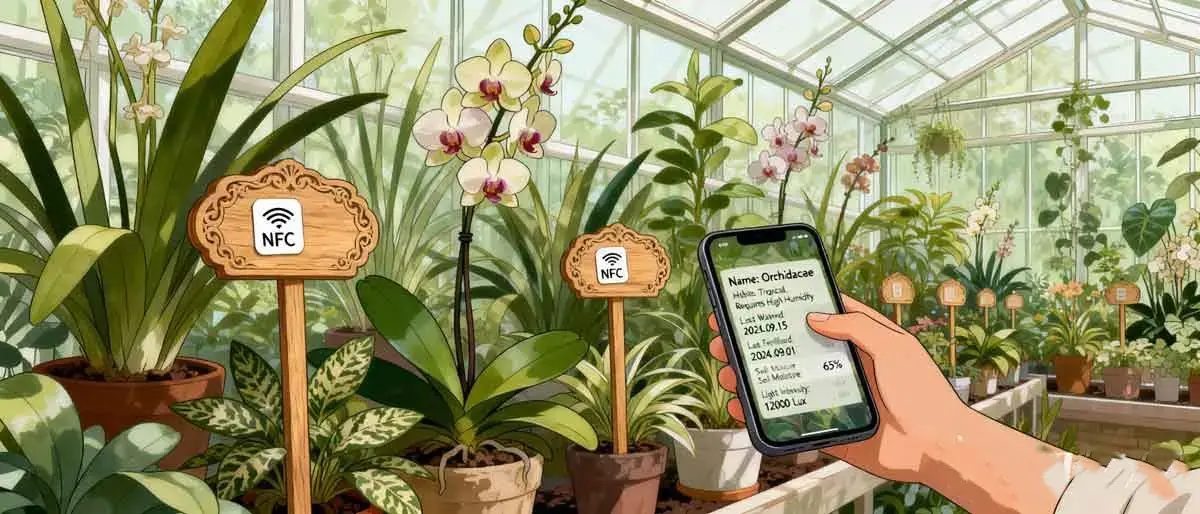
Urban Gardening Enthusiasts Face Knowledge and Practical Challenges in Systematic Plant Care
More Than 75% of Potted Plants Die from Improper Care Rather Than Pests and Diseases
Urban gardening has emerged as a beloved hobby for millions, offering a refreshing connection to nature amidst concrete jungles and providing numerous mental and physical health benefits. However, the joy of nurturing plants is often overshadowed by the challenges of systematic care, with a staggering statistic highlighting the issue: more than 75% of potted plants die from improper care rather than pests and diseases. This high mortality rate stems from a range of common mistakes made by urban gardeners, such as overwatering or underwatering, incorrect light exposure, inappropriate temperature control, and ill-timed fertilization. Many enthusiasts, especially beginners, lack the expertise to gauge their plants’ specific needs, leading to unintentional neglect or overcare. For example, a succulent that requires infrequent watering may be drowned by a well-meaning gardener, while a fern that thrives in high humidity may wither in a dry apartment. NFC Stickers have emerged as a game-changing solution to this pervasive problem, leveraging IoT technology to provide real-time insights and guidance, ensuring that plants receive the precise care they need to thrive. By bridging the knowledge gap between gardeners and their plants, NFC Stickers are transforming the urban gardening experience, reducing plant mortality rates and making systematic plant care accessible to everyone.
The Average Grower Can Only Accurately Identify 23% of Plant Species and Their Habits at Home
Another significant challenge facing urban gardeners is the inability to accurately identify plant species and their specific growth habits, with the average grower able to correctly recognize only 23% of plant species and their habits at home. This lack of identification capacity leads to a one-size-fits-all approach to care, which is rarely effective given the diverse needs of different plants. For instance, a gardener may mistake a peace lily (which requires consistent moisture) for a snake plant (which prefers dry soil), leading to improper watering practices that harm both plants. Even when gardeners recognize a plant species, they often lack knowledge of its specific habits, such as optimal light conditions, flowering cycles, pruning requirements, and dormant periods. This ignorance can result in missed care opportunities or incorrect interventions, stunting plant growth or even causing death. Traditional resources such as gardening books or online searches can be overwhelming or inaccurate, and seeking advice from experts is not always convenient. NFC Stickers address this challenge by storing detailed information about each plant species, allowing gardeners to access accurate, tailored care guidelines with a simple tap of their smartphone. This instant access to species-specific information empowers gardeners to provide personalized care, significantly improving their plants’ health and longevity.
The Lack of Continuous Reminder and Feedback Mechanisms Makes Seasonal Care Plans Difficult to Maintain
Seasonal care plans are essential for plant health, as most plants have varying needs throughout the year (e.g., increased watering in summer, reduced fertilization in winter). However, the lack of continuous reminder and feedback mechanisms makes these seasonal care plans difficult to maintain for many urban gardeners. Busy schedules, forgetfulness, or a lack of awareness about seasonal changes in plant needs often lead to inconsistent care. For example, a gardener may forget to reduce watering frequency for their plants during the winter dormant period, leading to root rot, or fail to prepare their outdoor plants for frost as temperatures drop. Without timely reminders, seasonal care tasks are easily overlooked, and without feedback on how their plants are responding to care, gardeners cannot adjust their plans effectively. This inconsistency disrupts the plants’ growth cycles and weakens their resilience to stressors such as pests or extreme weather. NFC Stickers solve this problem by integrating continuous reminder systems and real-time feedback mechanisms. The stickers trigger timely alerts for seasonal care tasks and provide insights into how plants are responding to current care practices, allowing gardeners to adjust their plans proactively. This continuous support ensures that seasonal care plans are followed consistently, promoting healthy plant growth year-round.
Smart Tags Integrating Sensing and Communication Enable Comprehensive Plant Status Monitoring
The Tag Integrates a Micro Soil Moisture Sensor That Automatically Samples Data Every 6 Hours
At the core of the IoT-driven smart plant care system are NFC Stickers—smart tags that integrate advanced sensing and communication capabilities to enable comprehensive plant status monitoring. A key feature of these NFC Stickers is the integration of a micro soil moisture sensor, which automatically samples data every 6 hours. Soil moisture is one of the most critical factors affecting plant health, and the ability to monitor it continuously eliminates the guesswork associated with watering. The micro sensor is designed to be highly accurate, measuring the volumetric water content of the soil and transmitting this data to the NFC chip within the sticker. By sampling data every 6 hours, the system provides a detailed picture of soil moisture trends over time, allowing gardeners to understand how quickly the soil dries out and adjust their watering schedule accordingly. For example, during hot summer months, the sensor may detect that soil moisture levels drop rapidly, prompting more frequent watering reminders, while in cooler, rainy periods, it may show that soil remains moist for longer, reducing the need for watering. The automatic sampling feature ensures that gardeners have access to up-to-date soil moisture data without the need for manual checks, making plant care more convenient and efficient. NFC Stickers thus take the guesswork out of watering, ensuring that plants receive the right amount of moisture at the right time.
The NFC Coil Is Used for Both Data Reading and Writing and for Providing Inductive Power to the Tag’s Microsystem
A standout innovation of the NFC Stickers is the dual functionality of the NFC coil, which is used for both data reading and writing and for providing inductive power to the tag’s microsystem. Unlike traditional sensors that require batteries or wired power sources, the NFC Stickers are completely wireless and battery-free, making them easy to install and maintain. When a gardener taps their smartphone against the NFC Sticker, the phone’s NFC reader generates an electromagnetic field that induces a current in the sticker’s NFC coil. This current provides the necessary power to activate the tag’s microsystem, including the soil moisture sensor and data storage module. Simultaneously, the NFC coil enables bidirectional data transfer between the sticker and the smartphone: the sticker transmits stored sensor data to the phone, and the phone can send updated care parameters or configuration settings to the sticker. This dual functionality ensures that the NFC Stickers are always ready to use, with no need to replace batteries or recharge the device. The wireless, battery-free design also makes the stickers suitable for use with a wide range of plants, including potted plants, hanging baskets, and even small outdoor gardens. By combining data communication and power supply in a single NFC coil, these stickers offer a seamless, low-maintenance solution for plant status monitoring.
Ambient Light Intensity and Temperature Data Are Synchronously Uploaded to the Cloud When Read by a Mobile Phone
In addition to soil moisture data, NFC Stickers also capture ambient light intensity and temperature data, which are synchronously uploaded to the cloud when read by a mobile phone. Light and temperature are critical environmental factors that directly impact plant growth, photosynthesis, and overall health. The stickers are equipped with tiny, low-power sensors that measure ambient light intensity (in lux) and temperature (in Celsius or Fahrenheit) whenever the tag is activated by a smartphone tap. This data, along with the soil moisture data, is immediately transmitted to the gardener’s mobile app and synchronously uploaded to a secure cloud database. The cloud storage ensures that all plant data is securely backed up and accessible from any device, allowing gardeners to monitor their plants even when they are away from home. For example, a gardener on vacation can check their plant’s light, temperature, and soil moisture levels remotely via the cloud, ensuring that their plants are being cared for properly. The cloud also enables data analysis over time, allowing the system to identify patterns and trends in environmental conditions and their impact on plant health. By integrating light and temperature monitoring with cloud synchronization, NFC Stickers provide a comprehensive view of a plant’s growing environment, enabling gardeners to make informed decisions about care.
Personalized Smart Reminder System Triggers Care Guidance Based on Actual Plant Status
When the Sensor Detects That Soil Moisture Is Below the Threshold, the Sticker Will Flash to Prompt Watering
The personalized smart reminder system powered by NFC Stickers ensures that gardeners receive timely, relevant care guidance based on their plants’ actual status. One of the most intuitive features of this system is the visual alert mechanism: when the sensor detects that soil moisture is below the predefined threshold for a specific plant species, the NFC Sticker will flash to prompt watering. The threshold is customized for each plant, based on its specific moisture requirements (e.g., high for ferns, low for succulents), which are stored in the sticker’s memory. The flashing light is bright enough to be noticeable but not intrusive, ensuring that gardeners are alerted to the need for watering without being distracted. This visual reminder is particularly useful for busy gardeners who may not check their mobile app regularly, as it provides an immediate, on-site alert. For example, a gardener passing by their potted herbs will see the flashing NFC Sticker and know that it’s time to water them, without having to open an app or perform any manual checks. This real-time, visual feedback ensures that plants receive water when they need it most, preventing drought stress and promoting healthy root growth. The flashing alert feature is a simple yet effective way to bridge the gap between sensor data and actionable care, making plant care more intuitive and responsive.
After the User Taps the Tag with Their Mobile Phone, the App Recommends Nutrient Solution Ratios Based on the Growth Stage
Beyond watering reminders, NFC Stickers provide personalized nutrient guidance tailored to each plant’s growth stage. After the user taps the tag with their mobile phone, the associated app analyzes the plant’s growth stage (determined by factors such as age, size, and previous care data) and recommends nutrient solution ratios that are optimal for that stage. Different growth stages require different nutrient balances: for example, young seedlings need higher levels of nitrogen to promote leaf growth, while mature flowering plants require more phosphorus and potassium to support bloom production. The app’s recommendations are based on a comprehensive database of plant species and their specific nutrient needs, ensuring that the guidance is accurate and relevant. The app also takes into account environmental factors such as light and temperature, which can affect nutrient uptake, adjusting the recommendations accordingly. For example, if the NFC Sticker detects low light levels, the app may recommend a slightly lower nutrient concentration, as plants in low light have slower metabolic rates and require fewer nutrients. This personalized nutrient guidance ensures that plants receive the right balance of nutrients at the right time, promoting healthy growth and preventing nutrient deficiencies or toxicities. By integrating growth stage analysis with nutrient recommendations, NFC Stickers empower gardeners to provide targeted care that supports their plants’ development.
The System Automatically Calculates and Pushes the Optimal Time Window for the Next Pruning, Repotting, or Fertilization
To further simplify plant care, the system powered by NFC Stickers automatically calculates and pushes the optimal time window for the next pruning, repotting, or fertilization. These tasks are critical for plant health but are often difficult to time correctly, especially for beginners. The system uses a combination of plant-specific data (species, age, growth rate), environmental data (light, temperature, season), and historical care data (previous pruning, repotting, fertilization dates) to determine the best time for each task. For example, the system may calculate that a tomato plant should be pruned in 10 days to promote lateral growth, or that a pothos plant needs to be repotted in 6 weeks when its roots begin to outgrow the current pot. The optimal time windows are pushed to the gardener’s mobile app as reminders, ensuring that tasks are not missed or performed too late. The reminders also include detailed guidance on how to perform each task (e.g., how much to prune, what type of potting soil to use), making even complex care tasks accessible to novice gardeners. For example, a reminder to repot a snake plant may include instructions on selecting a pot with drainage holes, using a well-draining soil mix, and gently removing the plant from its current pot without damaging the roots. By automating the calculation of optimal care timelines and providing step-by-step guidance, NFC Stickers take the stress out of plant care and ensure that tasks are performed at the most beneficial time for the plant.
Empirical Research in the Smart Gardening Zone at Chelsea Flower Show Shows Significant Effectiveness Improvements
After Three Months of Using the System, the Average Survival Rate of Indoor Plants Among 1,000 Participants Increased from 37% to 63%
The effectiveness of NFC Stickers in enhancing smart plant care was validated through empirical research conducted in the smart gardening zone at Chelsea Flower Show, one of the world’s most prestigious horticultural events. A total of 1,000 participants—ranging from beginner gardeners to experienced enthusiasts—took part in the study, using the NFC Sticker system to care for their indoor plants over a three-month period. The results were remarkable: the average survival rate of indoor plants among the participants increased from 37% to 63%, representing a 26-percentage-point improvement. This significant increase in survival rate can be attributed to the personalized care guidance and real-time monitoring provided by the NFC Stickers. Participants reported that the system’s watering reminders, nutrient recommendations, and optimal care timelines helped them avoid common care mistakes and respond proactively to their plants’ needs. For example, a beginner gardener who had previously struggled to keep succulents alive reported that the soil moisture alerts and watering guidance from the NFC Sticker helped them maintain the correct moisture levels, resulting in healthy, thriving plants. The large sample size and diverse participant group ensure that the results are representative of the broader urban gardening community, demonstrating that NFC Stickers can benefit gardeners of all skill levels. This 63% average survival rate is a testament to the system’s ability to transform plant care practices and improve plant health.
The Average Delay Time for Care Tasks Shortened from 72 Hours to 8.6 Hours
Another key finding from the Chelsea Flower Show empirical research was the dramatic reduction in the average delay time for care tasks, which shortened from 72 hours to 8.6 hours. Prior to using the NFC Sticker system, participants often delayed care tasks such as watering, pruning, or fertilization by up to three days, due to forgetfulness, busy schedules, or uncertainty about when the tasks were needed. This delay was a major contributing factor to the low plant survival rate, as plants often suffered from stress or damage during this period. With the NFC Sticker system’s timely reminders and visual alerts, participants were able to perform care tasks much more quickly, with the average delay time reduced to just 8.6 hours. This rapid response to plant needs ensures that plants receive care when they need it most, minimizing stress and promoting healthy growth. For example, participants reported that the flashing watering alerts prompted them to water their plants within hours of the soil moisture dropping below the threshold, rather than waiting days. The reduction in care task delay time also made plant care more manageable for busy participants, who were able to integrate care tasks into their daily routines thanks to the system’s timely reminders. This 8.6-hour average delay time represents a 90% reduction from the previous 72-hour delay, highlighting the system’s ability to make plant care more consistent and responsive.
The Average Number of Active Interactions Between Users and Their Plants Per Week Increased from 1.2 to 3.7
The empirical research also found that the NFC Sticker system increased user engagement with their plants, with the average number of active interactions between users and their plants per week increasing from 1.2 to 3.7. Active interactions include tasks such as checking the plant’s status via the NFC Sticker, watering, pruning, fertilizing, or adjusting environmental conditions (e.g., moving the plant to a sunnier location). This increase in engagement is a positive outcome, as regular interaction with plants not only improves plant health but also enhances the gardener’s connection to nature and overall well-being. Participants reported that the NFC Sticker system made plant care more engaging and rewarding, as they were able to see the direct impact of their care on their plants’ health. For example, many participants enjoyed tapping the NFC Sticker to check their plant’s soil moisture, light, and temperature data, and found it satisfying to adjust their care practices based on this data and see their plants thrive. The increased engagement also led to a greater sense of responsibility and investment in plant care, with participants more likely to notice and address small issues before they became major problems. This 3.7 average weekly interactions represents a 208% increase from the previous 1.2, demonstrating that NFC Stickers not only improve plant care outcomes but also enhance the overall gardening experience.
Environmentally Friendly Material Choices Reflect Dual Care for Plants and Ecology
The Sticker Substrate Is Made of Corn Starch-Based Compostable Polymer, Which Degrades Naturally in 180 Days
In line with the growing focus on sustainability in gardening and consumer products, NFC Stickers are designed with environmentally friendly materials that reflect dual care for plants and ecology. A key example of this commitment to sustainability is the sticker substrate, which is made of a corn starch-based compostable polymer that degrades naturally in 180 days. Traditional plastic stickers can persist in the environment for hundreds of years, contributing to pollution and harming wildlife. In contrast, the corn starch-based polymer is fully biodegradable, breaking down into natural compounds (carbon dioxide, water, and organic matter) when exposed to soil, moisture, and microorganisms. This means that if the sticker falls off the plant or is discarded, it will not accumulate in landfills or harm the environment. The compostable substrate is also safe for plants, as it does not leach harmful chemicals into the soil or damage plant roots. For gardeners who are passionate about eco-friendly gardening practices, this material choice is a major advantage, allowing them to care for their plants while minimizing their environmental footprint. The 180-day degradation time ensures that the sticker remains durable enough to perform its function throughout the plant’s growing cycle, while still breaking down quickly once it is no longer needed.
The Adhesive Is a Plant Extract Formula That Does Not Damage the Stem Epidermis When Removed
Another environmentally friendly feature of NFC Stickers is the adhesive, which is formulated from plant extracts and does not damage the stem epidermis when removed. Traditional adhesives used in stickers and labels often contain harsh chemicals that can irritate or damage plant tissue, leaving unsightly marks or even harming the plant. The plant extract-based adhesive used in NFC Stickers is gentle on plant stems, ensuring that the sticker can be attached and removed without causing any damage. This is particularly important for delicate plants with thin or sensitive stems, such as herbs, succulents, or young seedlings. The adhesive provides a strong enough bond to keep the sticker in place during normal gardening activities (e.g., watering, moving the plant), but can be easily peeled off when needed, leaving no residue or damage. The plant extract formula is also non-toxic and biodegradable, further enhancing the sticker’s eco-friendly profile. For gardeners who want to avoid using synthetic chemicals on their plants, this adhesive choice is a key benefit, ensuring that the smart care system does not compromise the health of their plants or the environment.
All Electronic Components Are Lead-Free Soldered and Comply with RoHS Environmental Standards
The commitment to sustainability extends to the electronic components of NFC Stickers, with all components being lead-free soldered and complying with RoHS (Restriction of Hazardous Substances) environmental standards. RoHS is a set of regulations that restricts the use of hazardous substances such as lead, mercury, cadmium, and hexavalent chromium in electrical and electronic equipment. Traditional electronic components often contain these hazardous substances, which can leach into the environment when the components are disposed of, posing a risk to human health and ecosystems. By using lead-free soldering and complying with RoHS standards, NFC Stickers ensure that their electronic components are safe for the environment and do not contribute to hazardous waste. The lead-free soldering also ensures that the components are safe to use around plants and humans, with no risk of toxic exposure. This commitment to environmental safety is particularly important for gardeners who grow edible plants, such as herbs, vegetables, or fruits, as it ensures that the smart care system does not contaminate their food crops. By adhering to strict environmental standards, NFC Stickers demonstrate that technology and sustainability can coexist, providing a smart plant care solution that is both effective and eco-friendly.
Cloud-Based Knowledge Base and Learning Algorithms Provide Continuously Optimized Care Strategies
Each Scan’s Care Data and Plant Reactions Are Encrypted and Uploaded to Optimize the Model
NFC Stickers are supported by a cloud-based knowledge base and advanced learning algorithms that work together to provide continuously optimized care strategies for each plant. A key feature of this system is the automatic encryption and uploading of each scan’s care data and plant reactions to the cloud, where the learning algorithms use this data to refine and improve the care models. Every time a gardener taps their smartphone against the NFC Sticker, the system collects data such as soil moisture levels, light intensity, temperature, and the gardener’s care actions (e.g., watering, fertilizing). It also records the plant’s reaction to these actions, such as changes in growth rate, leaf color, or overall health. This data is encrypted to protect privacy and then uploaded to the cloud, where it is aggregated with data from thousands of other users. The learning algorithms analyze this aggregated data to identify patterns and correlations between care practices, environmental conditions, and plant health outcomes. For example, the algorithms may discover that a specific type of succulent thrives with slightly higher soil moisture levels in low-light environments than previously thought, prompting an update to the care guidelines for that species. This continuous model optimization ensures that the care strategies provided by NFC Stickers are always based on the latest data and insights, improving their effectiveness over time.
The System Pushes Preventive Pest and Disease Alerts Based on Geographic Location and Seasonal Changes
Building on the cloud-based knowledge base and learning algorithms, the system pushes preventive pest and disease alerts based on the gardener’s geographic location and seasonal changes. Pest and disease outbreaks are often influenced by local climate conditions and seasonal trends, and early detection is critical for effective prevention and treatment. The system uses the gardener’s geographic location (collected with permission via the mobile app) and real-time weather data to identify potential pest and disease risks. For example, if the system detects that humidity levels in the gardener’s area are high during the summer months—a condition that favors fungal diseases such as powdery mildew—it will push an alert recommending preventive measures, such as increasing air circulation around the plants or applying a natural fungicide. Similarly, if a specific pest (e.g., aphids) is prevalent in the gardener’s region during spring, the system will alert the gardener to monitor their plants closely and provide guidance on how to identify and treat infestations early. These preventive alerts help gardeners take proactive steps to protect their plants, reducing the risk of pest and disease damage. By leveraging geographic and seasonal data, the system provides targeted, relevant alerts that are tailored to the gardener’s specific environment, making pest and disease prevention more effective.
Users Can Authorize the Sharing of Anonymous Data to Jointly Improve the Care Database for Specific Species
To further enhance the quality and comprehensiveness of the care database, users can authorize the sharing of anonymous data to jointly improve the care guidelines for specific plant species. This collaborative approach allows gardeners from around the world to contribute to the development of more accurate, species-specific care strategies. When users opt to share their anonymous data, the system removes all personal identifiers (e.g., name, location, device ID) and aggregates the data with other shared data to create a global database of plant care experiences. This database is particularly valuable for rare or less common plant species, for which care information is often limited. For example, if multiple users share data about their experiences caring for a rare orchid species, the learning algorithms can analyze this data to identify the optimal care conditions for that species, filling a gap in existing knowledge. Users who contribute to the database gain access to the improved care guidelines, benefiting from the collective wisdom of the gardening community. This collaborative model ensures that the NFC Sticker system continues to evolve and improve, providing better care guidance for an ever-wider range of plant species. By empowering users to contribute to the system’s development, NFC Stickers foster a sense of community among gardeners and promote the shared goal of helping plants thrive.
Why Choose Mytopband?
- Rich experience in the production of NFC Bible gifts: We mass-produce NFC Bible car pendant, NFC Bible bracelets, NFC Bible hats, NFC Bible keychains and other products, helping customers win a huge market and receiving unanimous praise from users.
- Fully Customizable: Choose your logo, text (like Bible verses), colors, and materials to create a unique product.
- Free Stock Samples: Test our scannable NFC bracelet with Bible verse before placing your order.
- Low MOQ as 500pcs: Perfect for startups and small businesses.

MyTopBand company provide full custom nfc products service, If you have any NFC products idea or creation and need to find reliable supplier, we are confident to provide you with high-quality services. Please find us: www.mytopband.com, or send message to info@mytopband.com, we will reply you within 24 hours.