
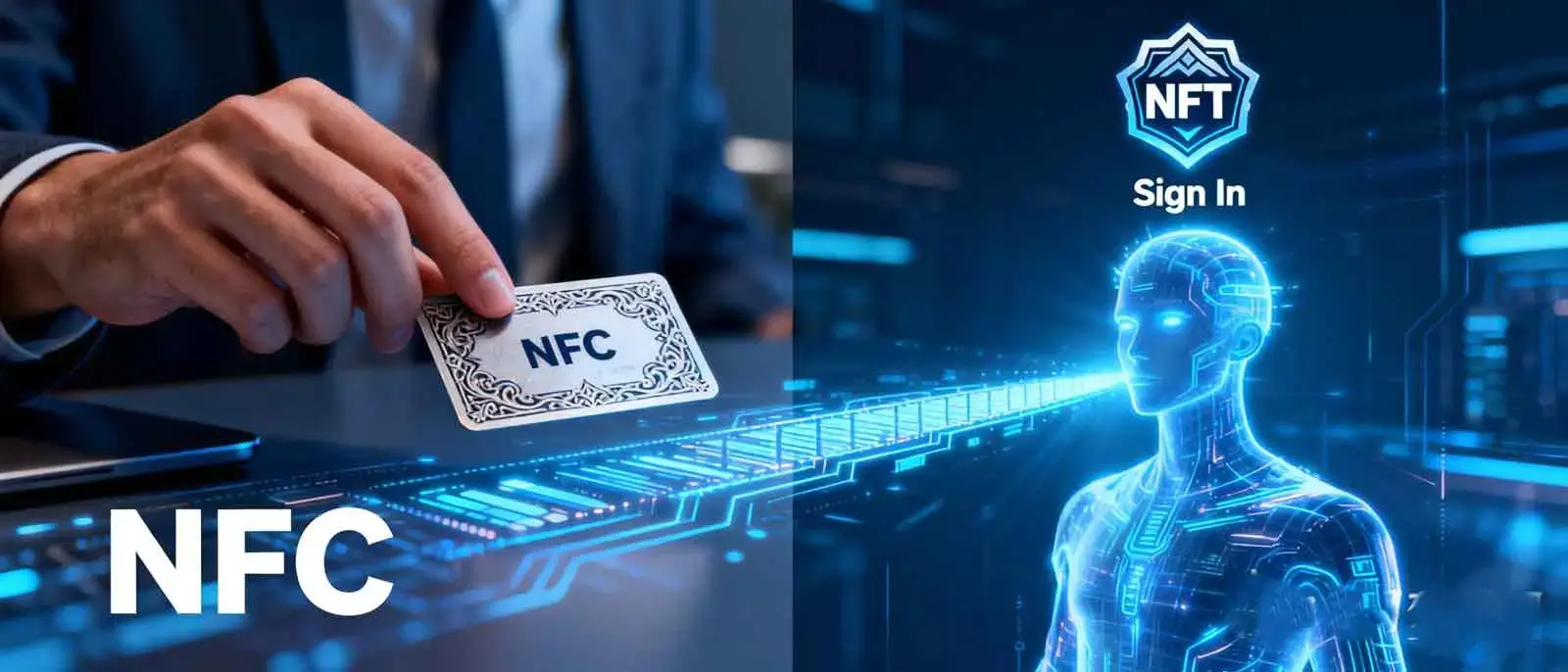
The Metaverse Faces Dual Challenges of Digital Identity Security and Interoperability
Digital Account Theft Incidents Grow by 210% Annually, Causing Direct Losses Exceeding $12 Billion
As the metaverse rapidly evolves into a interconnected digital ecosystem, the security of digital identities within this space has become a pressing concern, with digital account theft incidents surging by 210% annually and resulting in direct economic losses exceeding $12 billion. This alarming trend is driven by the unique characteristics of metaverse identities, which often serve as gateways to a wide range of assets, from virtual real estate and digital collectibles to linked financial accounts. Hackers are increasingly targeting metaverse platforms, exploiting vulnerabilities in centralized identity management systems, weak authentication protocols, and user complacency regarding password security. Unlike traditional online accounts, a compromised metaverse identity can lead to the simultaneous theft of multiple interconnected assets, creating a cascading effect of losses. For example, a 2024 breach of a major metaverse social platform resulted in over 500,000 users having their identities hijacked, with stolen virtual assets valued at more than $300 million. This crisis not only erodes user trust in the metaverse but also hinders the mainstream adoption of this promising technology. The urgent need for a more secure identity solution has become evident, and the NFT NFC Digital Twin emerges as a powerful answer, leveraging the immutability of blockchain and the physical security of NFC technology to safeguard metaverse identities against such threats.
Incompatible Identity Systems Across Different Metaverse Platforms Lead to Fragmented User Experiences
A significant barrier to the seamless development of the metaverse is the fragmentation of identity systems across different platforms, where each metaverse environment operates with its own proprietary identity protocols, rendering user identities incompatible and creating a disjointed experience. Today’s metaverse landscape is a collection of siloed ecosystems—from gaming-focused platforms like Decentraland and The Sandbox to professional collaboration spaces such as Horizon Workrooms, each requiring users to create and manage separate identities. This means that a user who invests time and resources in building a digital persona on one platform cannot easily transfer that identity, along with its associated reputation, assets, and social connections, to another. The result is a frustrating user experience marked by repeated registration processes, duplicated identity management efforts, and the inability to maintain a consistent digital presence across the metaverse. For professionals using the metaverse for remote work, this fragmentation can lead to inefficiencies, as they may need to switch between multiple identity profiles to access different collaboration tools. For casual users, it dilutes the immersive potential of the metaverse, as the sense of a unified digital life is broken by platform boundaries. This lack of interoperability stifles innovation and limits the metaverse’s ability to function as a truly interconnected digital world. The NFT NFC Digital Twin addresses this issue by providing a cross-platform identity solution that works seamlessly across all metaverse environments, unifying the user experience and enabling the free flow of identity-related data and assets.
Traditional Authentication Methods Fail to Achieve Secure Identity Integration Between Physical and Virtual Worlds
Traditional identity authentication methods, such as passwords, two-factor authentication (2FA) via SMS, and even basic biometrics, are ill-equipped to handle the unique requirement of the metaverse: the secure integration of identities between the physical and virtual worlds. These conventional methods are designed for either purely physical or purely digital contexts, lacking the ability to create a trusted bridge between the two. For instance, a password-based system can verify a user’s identity for a metaverse login but cannot confirm that the same physical individual is interacting with a linked physical device, such as a smart door or a payment terminal. Similarly, SMS 2FA introduces security vulnerabilities, as mobile phone numbers can be hijacked through SIM swapping attacks, providing hackers with access to both digital and linked physical accounts. Biometric systems like fingerprint scanners, while more secure, are often tied to specific devices and cannot be easily translated into a portable, cross-platform metaverse identity. This disconnect between physical and virtual authentication creates critical security gaps. For example, a user might have a secure metaverse identity, but if the physical device used to access that identity is compromised, the virtual assets remain vulnerable. The NFT NFC Digital Twin solves this problem by creating a single, unified identity that is verified both digitally (via NFT on the blockchain) and physically (via NFC technology), ensuring that the same trusted identity is used across both realms and eliminating the security risks associated with disconnected authentication systems.
NFT Identity Credentials and Physical NFC Tags Establish a Two-Way Trust Anchor
Ethereum ERC-721 Standard NFTs Serve as Digital Credentials for Users’ Core Identities
At the heart of the NFT NFC Digital Twin system is the use of Ethereum’s ERC-721 standard NFTs as the immutable digital credentials for users’ core metaverse identities. The ERC-721 standard is ideal for this purpose due to its unique properties: each NFT is a one-of-a-kind digital asset with a verifiable ownership history stored on the Ethereum blockchain, making it tamper-proof and impossible to duplicate. Unlike fungible tokens, which are interchangeable, ERC-721 NFTs can be uniquely linked to an individual user, containing a rich set of metadata that defines their metaverse identity, including personal preferences, reputation scores, asset ownership records, and access permissions. This metadata is stored on the blockchain, ensuring that it remains transparent, immutable, and accessible across any metaverse platform that supports the standard. For example, a user’s NFT identity credential might include information about their virtual real estate holdings in Decentraland, their gaming achievements in The Sandbox, and their professional certifications in a metaverse work platform. Because the NFT is secured by blockchain technology, its ownership and associated metadata cannot be altered without the user’s explicit cryptographic signature, providing a high level of trust and security. This use of ERC-721 NFTs as core identity credentials forms the digital foundation of the NFT NFC Digital Twin, creating a reliable and interoperable identity that can be recognized and verified across the entire metaverse ecosystem.
High-Security NFC Tags Act as the Unique Physical Carrier of This Digital Credential in the Physical World
To bridge the gap between the digital and physical worlds, the NFT NFC Digital Twin system employs high-security NFC tags as the exclusive physical carriers of the ERC-721 NFT identity credentials. These specialized NFC tags are engineered with advanced security features to prevent tampering, cloning, and unauthorized access, ensuring that they serve as a trusted physical anchor for the digital identity. Unlike consumer-grade NFC tags, which are often vulnerable to duplication, high-security NFC tags used in this system include features such as read-only memory (ROM) for storing unique identifiers, hardware-based encryption modules, and anti-cloning technology that makes each tag physically unique. Each tag is permanently linked to a specific ERC-721 NFT during the manufacturing process, with the tag’s unique serial number recorded on the blockchain as part of the NFT’s metadata. This creates an unbreakable bond between the physical tag and the digital credential, any attempt to use a cloned tag will be immediately detected, as the serial number will not match the one stored on the blockchain. The NFC tags are designed to be integrated into a variety of physical form factors, such as smart cards, key fobs, or even wearable devices like smartwatches, making them convenient for everyday use. When a user interacts with a physical or digital device using the NFC tag, the device can instantly verify the tag’s authenticity and link it to the corresponding NFT identity on the blockchain, creating a seamless and secure connection between the user’s physical presence and their metaverse identity.
Offline Verification Uses Tags to Sign On-Chain Certificates, While Online Verification Performs Reverse Checks
The NFT NFC Digital Twin system supports both offline and online verification modes, ensuring secure identity authentication in all scenarios through a dual-process mechanism: offline verification leverages the NFC tag to sign on-chain certificates, while online verification conducts reverse checks against the blockchain. In offline scenarios, such as accessing a physical building without internet connectivity or verifying identity in a remote metaverse region with limited network access, the NFC tag plays a critical role. The tag contains a secure element that can generate cryptographic signatures using a private key linked to the user’s NFT identity. When verification is required, the tag signs a temporary certificate containing its unique serial number and a timestamp, which can be validated using the corresponding public key stored on the blockchain. This allows for secure offline authentication without compromising the integrity of the identity. For example, a user can unlock a physical office door using their NFC tag even if the building’s internet is down, as the door reader can verify the tag’s signed certificate locally. In online scenarios, the verification process is reversed: the metaverse platform or physical device first queries the blockchain to retrieve the public key and associated tag serial number for the user’s NFT identity, then requests the NFC tag to transmit its serial number and a signed message. The platform cross-references the transmitted data with the blockchain records, ensuring that the physical tag matches the digital credential. This dual verification process ensures that the NFT NFC Digital Twin remains secure and functional in any environment, whether online or offline, providing users with consistent and reliable identity authentication.
Ledger Nano Series Hardware Wallets Upgraded to Integrate NFC Verification Features
Hardware Wallet Chips Directly Manage Users’ Private Keys and NFT Identity Metadata
The integration of NFC verification features into the Ledger Nano series of hardware wallets represents a key advancement in the NFT NFC Digital Twin ecosystem, with the wallet’s secure chip directly managing users’ private keys and NFT identity metadata to ensure maximum security. Ledger’s hardware wallets are renowned for their robust security architecture, which stores private keys offline in a secure element—a tamper-resistant chip that prevents unauthorized access to sensitive information. By upgrading these wallets to handle NFT identity metadata alongside cryptocurrency private keys, the Ledger Nano becomes a centralized, secure hub for managing the entire NFT NFC Digital Twin. The secure chip within the wallet is responsible for storing the user’s ERC-721 NFT identity credentials, including the associated metadata, as well as the private keys required to sign transactions and authentication requests. This offline storage ensures that the user’s identity data is never exposed to the internet or vulnerable to malware attacks that target software-based wallets. When the user needs to authenticate their identity in the metaverse or access a physical resource, the Ledger Nano uses its secure chip to generate the necessary cryptographic signatures without ever revealing the private keys. For example, when purchasing a virtual asset in the metaverse, the wallet’s chip signs the transaction using the private key linked to the NFT identity, verifying the user’s ownership and authorization. This direct management of private keys and NFT metadata by the hardware wallet’s secure chip provides an unparalleled level of security for the NFT NFC Digital Twin, ensuring that the user’s identity remains protected at all times.
User Confirmation via Physical Buttons Is Required to Activate the NFC Tag’s Signing Function
To further enhance the security of the NFT NFC Digital Twin, the upgraded Ledger Nano hardware wallets require users to confirm authentication requests via physical buttons on the device before activating the NFC tag’s signing function. This physical confirmation step adds a critical layer of protection against unauthorized access, ensuring that the NFC tag cannot be used to authenticate identity without the user’s explicit consent. The Ledger Nano’s design incorporates two physical buttons that must be pressed in sequence to approve any transaction or authentication request. When a metaverse platform or physical device requests identity verification, the wallet displays the details of the request, such as the platform name, the type of access being granted, and any associated actions on its small screen. The user must then review this information and press the physical buttons to confirm, at which point the wallet activates the NFC tag’s signing function to generate the necessary cryptographic signature. This prevents “man-in-the-middle” attacks and ensures that the user is always aware of how their identity is being used. For instance, if a hacker attempts to use a compromised device to request identity verification, the user will see the unauthorized request on the wallet’s screen and can refuse to confirm it by not pressing the buttons. This physical confirmation mechanism transforms the Ledger Nano from a passive storage device into an active security gateway for the NFT NFC Digital Twin, putting the user in complete control of their identity.
The Device Supports FIDO2 Standard to Enable Universal Two-Factor Authentication for Traditional Web2 and Web3 Services
In addition to its core role in managing the NFT NFC Digital Twin, the upgraded Ledger Nano device supports the FIDO2 (Fast Identity Online 2) standard, enabling it to function as a universal two-factor authentication (2FA) tool for both traditional Web2 services and Web3 metaverse platforms. The FIDO2 standard is a widely adopted authentication protocol that eliminates the need for passwords, instead using public-key cryptography to secure user access. By integrating FIDO2 support, the Ledger Nano becomes a versatile authentication device that can be used across a wide range of services from Web2 applications like email, social media, and online banking to Web3 metaverse platforms and decentralized applications (dApps). This universality is a key advantage for users, who no longer need to manage multiple 2FA tools or remember complex passwords. When accessing a FIDO2-enabled service, the user simply connects their Ledger Nano to their device (via USB or NFC) and confirms the authentication request using the physical buttons. The wallet generates a unique cryptographic key pair for each service, ensuring that a breach of one service does not compromise the security of others. For example, a user can use the same Ledger Nano to authenticate their email account, access their metaverse identity, and approve a cryptocurrency transaction, all with the same high level of security. This integration of FIDO2 standard support extends the value of the NFT NFC Digital Twin beyond the metaverse, making it a comprehensive identity solution for all digital interactions, whether Web2 or Web3.
Building a Seamless Identity Application Experience Across Physical and Virtual Scenarios
Virtual Meetings: Users Complete Check-In in Virtual Spaces Using NFC Devices, with Verification Records Stored on the Blockchain
The NFT NFC Digital Twin revolutionizes virtual meetings in the metaverse by enabling users to complete secure, verifiable check-ins using their NFC-equipped devices, with all check-in records permanently stored on the blockchain for transparency and accountability. Virtual meetings in the metaverse, whether for business, education, or social purposes, require reliable identity verification to ensure that only authorized participants gain access and that attendance is accurately recorded. With the NFT NFC Digital Twin, the check-in process becomes seamless and secure: when a user enters a virtual meeting space, they simply tap their Ledger Nano or NFC tag against their device (or use wireless NFC connectivity) to initiate the authentication process. The NFC device transmits a signed authentication request to the meeting platform, which verifies the request against the user’s ERC-721 NFT identity on the blockchain. Once verified, the user is granted access, and a check-in record, including the user’s NFT identity, the meeting details, and the timestamp, is recorded on the blockchain. This record is immutable and publicly verifiable, making it ideal for business meetings where attendance needs to be documented for legal or administrative purposes, or for educational settings where class attendance is required for credit. For example, a company hosting a metaverse board meeting can use the NFT NFC Digital Twin to ensure that only board members are present, with check-in records that can be audited at any time. This streamlined check-in process eliminates the need for manual registration or password-based authentication, enhancing the immersive experience of metaverse meetings while maintaining the highest level of security.
Physical Access Control: Bringing the Same Device Close to a Card Reader Automatically Unlocks Offices or Specific Areas
One of the most practical applications of the NFT NFC Digital Twin is in physical access control, where users can use the same NFC device that manages their metaverse identity to automatically unlock offices, meeting rooms, or other restricted areas by simply bringing the device close to a compatible card reader. This integration of virtual and physical identity authentication creates a seamless experience for users, who no longer need to carry separate access cards for physical spaces and devices for metaverse access. The physical access control system is linked to the blockchain, allowing it to verify the user’s NFT NFC Digital Twin in real time. When the user taps their NFC device against the reader, the reader retrieves the device’s unique serial number and signed authentication request, then cross-references this data with the user’s NFT identity on the blockchain. If the user’s identity has the necessary access permissions (as defined by the access control policy stored on the blockchain), the reader unlocks the door. This system offers several advantages over traditional access control: it eliminates the risk of lost or stolen access cards, as the NFC device is tied to the user’s immutable NFT identity; it allows for dynamic access permissions, which can be updated on the blockchain and take effect immediately; and it provides a complete audit trail of all access events, stored on the blockchain for security and compliance. For example, a company can grant temporary access to a contractor by updating their NFT identity metadata on the blockchain, and the contractor can use their existing NFC device to access the required areas without needing a physical access card. This integration of metaverse identity with physical access control demonstrates the transformative potential of the NFT NFC Digital Twin to unify all aspects of a user’s digital and physical life.
Digital Transactions: NFC Devices Automatically Complete Identity Verification and Authorization When Purchasing Assets in the Metaverse Market
Digital transactions in the metaverse, such as purchasing virtual real estate, digital art, or in-game items—are made more secure and efficient with the NFT NFC Digital Twin, as NFC devices automatically complete identity verification and transaction authorization, ensuring that only the rightful owner of the NFT identity can initiate and approve transactions. The metaverse market is a rapidly growing ecosystem with billions of dollars in annual transactions, but it is also prone to fraud, with fake assets and identity theft being major concerns. The NFT NFC Digital Twin addresses these issues by integrating identity verification directly into the transaction process. When a user decides to purchase an asset in the metaverse, they select the item and initiate the transaction. The marketplace then requests identity verification and authorization from the user’s NFC device (such as a Ledger Nano). The device displays the transaction details, including the asset name, price, and seller’s identity, on its screen, and the user confirms the transaction by pressing the physical buttons. The NFC device then generates a cryptographic signature using the private key linked to the user’s NFT identity, which the marketplace verifies against the blockchain. Once verified, the transaction is recorded on the blockchain, transferring ownership of the digital asset to the user’s NFT identity. This process ensures that the transaction is secure, as it requires the user’s physical confirmation; transparent, as all details are recorded on the blockchain; and efficient, as it eliminates the need for separate identity verification steps. For example, a user purchasing a rare digital artwork in the metaverse can complete the transaction in seconds, with the assurance that their identity is verified and the asset’s ownership is securely transferred and recorded.
ECC Encryption System Ensures End-to-End Security of the Entire Identity System
P-256 Elliptic Curve Algorithm Is Used to Generate Key Pairs for Devices and Tags
The NFT NFC Digital Twin system relies on the P-256 elliptic curve cryptography (ECC) algorithm to generate secure key pairs for both the NFC devices and tags, providing a robust foundation for end-to-end security. Elliptic curve cryptography is widely recognized as one of the most secure and efficient encryption methods available, offering equivalent security to traditional RSA encryption with much smaller key sizes, making it ideal for use in resource-constrained devices like NFC tags and hardware wallets. The P-256 algorithm, also known as secp256r1, is a NIST-approved standard that is widely adopted in financial, government, and technology applications due to its strong security properties. For each NFT NFC Digital Twin, the system generates two key pairs: one for the user’s hardware wallet (which manages the NFT identity’s private key) and one for the NFC tag (which is used for physical authentication). These key pairs are generated within the secure element of the hardware wallet or NFC tag, ensuring that the private keys are never exposed to the internet or vulnerable to external attacks. The public keys from these pairs are stored on the blockchain, linked to the user’s ERC-721 NFT identity, allowing for easy verification of signatures generated by the private keys. For example, when the NFC tag signs an authentication request, the verifying party can use the public key stored on the blockchain to confirm the signature’s validity, ensuring that the request came from the legitimate owner of the NFT NFC Digital Twin. The use of the P-256 algorithm ensures that the identity system is resistant to brute-force attacks and other cryptographic vulnerabilities, providing users with the highest level of security for their metaverse identities.
NFC Communication Channels Use AES-128 Encryption to Protect Temporary Session Keys
To ensure the security of data transmitted between the NFC device and verifying systems, the NFT NFC Digital Twin uses AES-128 encryption to protect temporary session keys within the NFC communication channel. AES-128 is a symmetric encryption standard that is widely regarded as unbreakable with current computing technology, making it the ideal choice for securing sensitive data in transit. When an NFC device initiates a communication with a verifying system (such as a metaverse platform, access control reader, or payment terminal), the two parties first establish a secure session by generating a temporary session key. This session key is encrypted using AES-128 and transmitted between the devices, ensuring that it cannot be intercepted or decrypted by unauthorized parties. All subsequent data transmitted during the session, including authentication requests, transaction details, and signature data, is encrypted using this session key, providing end-to-end security for the communication. The use of temporary session keys adds an extra layer of security, as each session uses a unique key that is discarded after the communication is complete, preventing replay attacks where hackers attempt to reuse old communication data. For example, when a user authenticates their NFT NFC Digital Twin to access a metaverse platform via NFC, the session key used to transmit the authentication data is unique to that session and is encrypted with AES-128, ensuring that even if the data is intercepted, it cannot be decoded or reused. This secure communication channel ensures that the NFT NFC Digital Twin remains protected throughout the authentication process, from the physical interaction of the NFC tag to the digital verification on the blockchain.
Blockchain Smart Contracts Verify Signature Validity and Generate Tamper-Proof Audit Logs
Blockchain smart contracts play a critical role in the security of the NFT NFC Digital Twin system, as they are responsible for verifying the validity of cryptographic signatures and generating immutable, tamper-proof audit logs of all identity-related activities. A smart contract is a self-executing program stored on the blockchain that automatically enforces predefined rules and conditions. In the NFT NFC Digital Twin ecosystem, smart contracts are deployed to handle the verification of authentication requests, transaction authorizations, and access permissions. When a user initiates an identity verification or transaction, their NFC device generates a cryptographic signature using their private key. This signature, along with the relevant data (such as the user’s NFT identity, timestamp, and action details), is sent to the smart contract. The smart contract then retrieves the user’s public key from the blockchain, uses it to verify the signature’s validity, and checks whether the user has the necessary permissions to perform the requested action. If the verification is successful, the smart contract executes the action (such as granting access, recording a check-in, or transferring an asset) and generates an audit log entry that is permanently stored on the blockchain. This audit log includes all details of the activity, providing a complete and unalterable record that can be audited at any time. For example, a smart contract used for metaverse meeting check-ins will verify the user’s signature, record their attendance, and create an audit log that can be used to confirm participation. The use of smart contracts ensures that all identity-related activities are transparent, secure, and compliant, with no possibility of tampering or fraud.
Industrial Applications and Future Expansion of the Digital Twin Identity System
The Financial Industry Uses This System to Achieve Standardization and Mutual Recognition of KYC Processes
The financial industry stands to benefit significantly from the NFT NFC Digital Twin system, as it enables the standardization and mutual recognition of Know Your Customer (KYC) processes, reducing inefficiencies and enhancing security across the sector. KYC is a critical regulatory requirement for financial institutions, requiring them to verify the identity of their customers to prevent money laundering, fraud, and terrorist financing. However, current KYC processes are often fragmented, with each institution requiring customers to submit duplicate documentation and undergo separate verification procedures. This creates a time-consuming and costly experience for both customers and institutions. The NFT NFC Digital Twin solves this problem by providing a standardized, blockchain-based KYC identity that is recognized and trusted by all participating financial institutions. When a customer completes KYC verification with one institution, their verified identity is stored as part of their NFT NFC Digital Twin, including all necessary documentation (such as passport scans, proof of address, and biometric data) encrypted and linked to the NFT. Other financial institutions can then verify the customer’s identity by accessing the NFT on the blockchain, eliminating the need for duplicate KYC checks. This not only reduces the administrative burden on institutions but also improves the customer experience, as users no longer need to repeatedly submit the same information. Additionally, the security of the NFT NFC Digital Twin ensures that KYC data remains protected from breaches, as it is stored on the blockchain and accessed only via secure NFC authentication. For example, a customer who completes KYC with a cryptocurrency exchange can use the same NFT NFC Digital Twin to open a bank account, with the bank verifying their identity directly from the blockchain. This standardization and mutual recognition of KYC processes have the potential to transform the financial industry, making it more efficient, secure, and customer-friendly.
The Healthcare Sector Establishes Personal Health Data Sovereignty and Secure Cross-Institutional Sharing
In the healthcare sector, the NFT NFC Digital Twin system is revolutionizing the management of personal health data by establishing data sovereignty for patients and enabling secure, controlled cross-institutional sharing of medical information. Personal health data is some of the most sensitive information a person possesses, and its management is often plagued by issues of privacy, security, and accessibility. Patients frequently struggle to access their own health records across different healthcare providers, while providers face challenges in securely sharing data to deliver coordinated care. The NFT NFC Digital Twin addresses these issues by putting patients in control of their health data: the patient’s health records are encrypted and linked to their NFT identity, with the patient retaining full ownership and control over who can access the data. When a patient visits a new healthcare provider, they can use their NFC device to grant temporary access to their health data, which is verified via the blockchain. The provider can access the necessary information to deliver care, but the data remains owned by the patient and is not stored in the provider’s centralized system, reducing the risk of data breaches. Additionally, the immutable audit logs generated by the smart contract ensure that all access to the health data is recorded, providing transparency and accountability. For example, a patient with a chronic condition can grant their primary care physician, specialist, and pharmacist access to their relevant health data, ensuring that all providers have the information they need to deliver consistent care. This system not only enhances patient privacy and data security but also improves the quality of healthcare by enabling seamless information sharing, ultimately leading to better patient outcomes.
Supply Chain Management Enables the Confirmation of Participants’ Identities and the Authentication and Traceability of Digital Assets
The NFT NFC Digital Twin system is transforming supply chain management by enabling reliable confirmation of participants’ identities and the secure authentication and traceability of digital assets and physical goods throughout the supply chain. Supply chains are complex networks involving multiple participants manufacturers, suppliers, distributors, retailers, and customers, each requiring reliable identity verification to ensure trust and accountability. Additionally, the ability to trace goods from production to delivery is critical for preventing counterfeiting, ensuring quality control, and complying with regulatory requirements. The NFT NFC Digital Twin addresses these needs by assigning each participant in the supply chain a unique NFT identity, which is linked to their physical NFC device. When a participant interacts with goods or digital assets in the supply chain, such as receiving raw materials, processing goods, or shipping products, they use their NFC device to authenticate their identity and record the transaction on the blockchain. Each physical item can also be tagged with an NFC tag linked to a digital twin NFT, which records the item’s origin, production details, transportation history, and ownership changes. This creates a complete, immutable traceability record that can be accessed by all authorized participants. For example, a pharmaceutical company can use the NFT NFC Digital Twin to track the movement of medications from the manufacturing facility to the pharmacy, with each participant in the chain authenticating their identity and updating the product’s digital twin. This ensures that counterfeit medications are easily identified, as their digital twin records will not match the legitimate supply chain data. The integration of the NFT NFC Digital Twin into supply chain management enhances transparency, security, and efficiency, reducing costs and building trust among all participants.
Why Choose Mytopband?
- Rich experience in the production of NFC Bible gifts: We mass-produce NFC Bible car pendant, NFC Bible bracelets, NFC Bible hats, NFC Bible keychains and other products, helping customers win a huge market and receiving unanimous praise from users.
- Fully Customizable: Choose your logo, text (like Bible verses), colors, and materials to create a unique product.
- Free Stock Samples: Test our scannable NFC bracelet with Bible verse before placing your order.
- Low MOQ as 500pcs: Perfect for startups and small businesses.

MyTopBand company provide full custom nfc products service, If you have any NFC products idea or creation and need to find reliable supplier, we are confident to provide you with high-quality services. Please find us: www.mytopband.com, or send message to info@mytopband.com, we will reply you within 24 hours.