
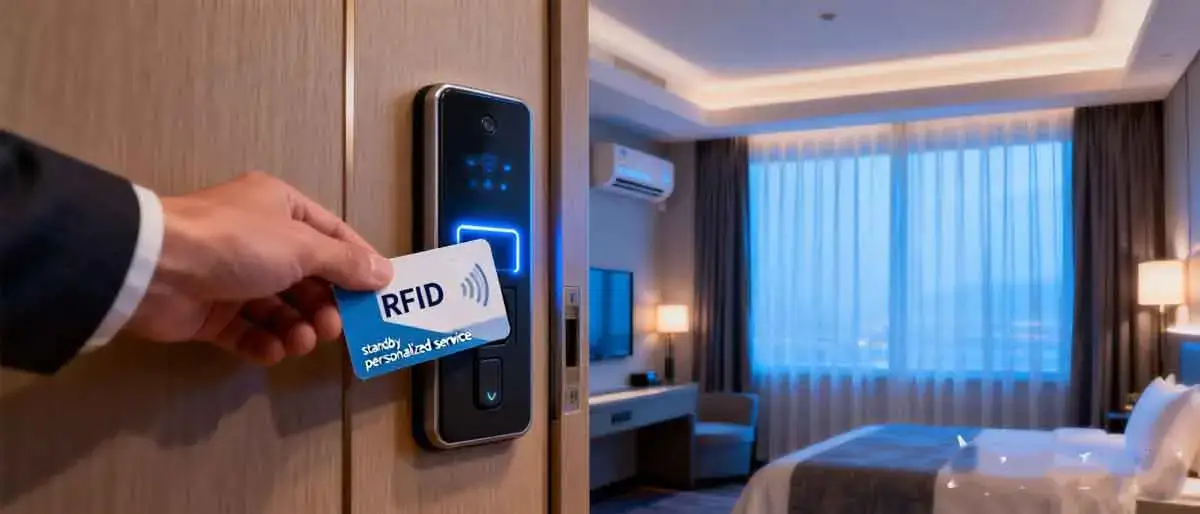
The Hotel Industry Faces Dual Pressures of Soaring Energy Costs and Fulfilling Carbon Neutrality Commitments
Energy Consumption Accounts for 15%-20% of Operating Costs in the Hotel Industry, and Continues to Rise with Energy Prices
The global hotel industry is currently grappling with unprecedented challenges in energy management, as energy consumption accounts for 15%-20% of operating costs, a proportion that continues to climb amid rising global energy prices. For both luxury resorts and budget hotels, the surging cost of electricity, gas, and other energy sources has become a heavy burden on operational profitability. In major tourist destinations and metropolitan areas, where hotel occupancy rates are relatively high, the pressure of energy expenses is even more pronounced. For example, a mid-sized hotel with 200 rooms can see its annual energy costs increase by hundreds of thousands of dollars due to fluctuations in energy prices. This situation has forced hotel operators to seek effective energy-saving solutions to control costs. RFID Hotel Key Cards have emerged as a promising technological tool in this context, offering a scalable and cost-effective way to optimize energy usage in hotel rooms. By linking guest presence to energy supply through intelligent card-based systems, RFID Hotel Key Cards lay the foundation for reducing unnecessary energy waste, thereby alleviating the financial pressure caused by high energy costs.
Major International Hotel Groups Have Announced Carbon Neutrality Roadmaps by 2050, with Guest Room Energy Consumption as the Core of Emission Reduction
In addition to economic pressures, the hotel industry is also under increasing social and environmental responsibilities to address climate change. Major international hotel groups, including Marriott, InterContinental, and Accor, have all announced carbon neutrality roadmaps targeting 2050, with guest room energy consumption identified as the core focus of their emission reduction efforts. Guest rooms constitute the largest source of energy use in hotels, accounting for approximately 40%-50% of total energy consumption, primarily from air conditioning, lighting, and electrical appliances. Achieving significant reductions in guest room energy consumption is therefore critical to meeting carbon neutrality goals. Traditional energy management methods, which rely on manual supervision or fixed schedules, are inefficient and unable to adapt to the dynamic occupancy patterns of hotel rooms. As a result, there is an urgent need for intelligent and automated solutions that can precisely regulate energy use based on guest presence and behavior. RFID Hotel Key Cards, when integrated with smart building systems, enable real-time, demand-driven energy control, making them an essential component of hotel carbon neutrality strategies.
The Traditional Modes of “Long-term Standby” and “Unoccupied Energy Consumption” Are Prevalent, with Great Energy-saving Potential but Lack of Effective Intervention Means
A major obstacle to energy efficiency in the hotel industry is the widespread existence of traditional energy-consuming modes such as “long-term standby” and “unoccupied energy consumption.” Even when rooms are unoccupied, many electrical devices remain in standby mode, continuously consuming energy. For instance, televisions, air conditioning units, and charging sockets often stay powered on 24/7, leading to substantial energy waste. Statistics show that unoccupied energy consumption can account for 25%-35% of total guest room energy use in hotels using traditional management methods. This represents enormous energy-saving potential, yet the industry has lacked effective intervention means to address this issue. Manual checks by staff are time-consuming, labor-intensive, and prone to human error, while timer-based systems cannot flexibly respond to changes in guest arrival and departure times. RFID Hotel Key Cards solve this problem by establishing a direct link between guest occupancy and energy supply. When guests are not in the room, the system can automatically cut off non-essential power supply, eliminating unoccupied energy waste and unlocking the industry’s significant energy-saving potential.
The Power-taking Linkage Design of Key Cards Constructs the Basic Physical Logic of Energy Control
Guests Insert RFID Key Cards into Special Power-taking Slots, and the System Restores the Total Power Supply of the Guest Room After Identifying Legitimate Check-in Authorization
The core of the intelligent energy control system based on RFID Hotel Key Cards lies in its power-taking linkage design, which constructs the basic physical logic for effective energy management. When guests check in at the front desk, they receive an RFID Hotel Key Card encoded with unique identification information and legitimate check-in authorization. Upon entering their room, guests must insert this RFID Key Card into a special power-taking slot installed near the door. The slot is equipped with an RFID reader that instantly verifies the authenticity and validity of the card’s authorization. Once the system confirms that the card belongs to a registered guest with an active reservation, it automatically restores the total power supply of the guest room, enabling access to all electrical services such as lighting, air conditioning, and televisions. This design ensures that energy is only supplied to the room when there is a legitimate guest present, fundamentally preventing energy waste in unoccupied rooms. The use of RFID technology ensures fast, accurate, and secure authorization verification, with no possibility of counterfeiting or tampering, thus guaranteeing the reliability of the energy control system.
After Removing the Card and Leaving, the System Automatically Cuts Off Non-essential Loads (Air Conditioning, Lighting, TV Power) with a 10-minute Delay (Configurable)
To further optimize energy use while ensuring guest convenience, the system is designed with a configurable delay mechanism. When guests remove the RFID Hotel Key Card from the power-taking slot to leave the room, the system does not cut off power immediately. Instead, it initiates a 10-minute delay (the duration can be adjusted according to hotel needs) before automatically cutting off non-essential electrical loads, including air conditioning, lighting, and television power. This delay period is intended to accommodate guests who may temporarily leave the room for a short time, such as going to the lobby, restaurant, or nearby areas, and do not wish to turn off all devices. During the delay, essential loads such as refrigerators (to keep food and beverages fresh) and charging sockets (for guests who may leave electronic devices charging) remain powered on, ensuring that guest needs are not compromised. After the delay period expires, the system shuts off non-essential loads, minimizing energy consumption during the guest’s absence. This balanced approach between energy conservation and guest comfort is a key advantage of the RFID Hotel Key Card-based energy control system.
The Specially Designed Slot Ensures That the Card Can Only Be Inserted and Removed by Guests, Preventing Misoperation by Employees or Others from Affecting the Guest Experience
To ensure the smooth operation of the energy control system and avoid negative impacts on the guest experience, the power-taking slot for RFID Hotel Key Cards features a special design that restricts access to guests only. The slot is engineered with a unique shape and locking mechanism that prevents employees, cleaning staff, or other non-guests from inserting or removing the card without authorization. For example, the slot may require a specific angle or pressure to insert or remove the card, which is only achievable with the guest’s RFID Hotel Key Card. This design prevents misoperation by employees, such as accidentally removing the card during cleaning, which could lead to the sudden shutdown of electrical devices and disrupt the guest’s stay. Additionally, it prevents unauthorized individuals from tampering with the energy control system, ensuring that the power supply is only controlled by the registered guest. This thoughtful design not only enhances the reliability of the energy control system but also safeguards the guest’s right to control the room environment, maintaining a high level of guest satisfaction.
AI-based Intelligent Regulation Algorithms Achieve Dynamic and Refined Energy Management
The System Continuously Learns Occupancy Patterns (Such as Lunch Break and Night Sleep Periods) and Automatically Adjusts the Thermostat’s Target Temperature and Air Speed
Beyond the basic physical logic of power control, RFID Hotel Key Cards work in conjunction with AI-based intelligent regulation algorithms to achieve dynamic and refined energy management. The system continuously collects and analyzes data related to guest occupancy patterns, such as when guests enter and leave the room, their lunch break periods, and night sleep times. By leveraging machine learning algorithms, the system gradually learns and understands each guest’s unique habits and preferences. For example, if the system detects that a guest consistently takes a lunch break between 12:30 PM and 2:30 PM, it will automatically adjust the thermostat’s target temperature and air speed during this period to create a more comfortable sleeping environment while optimizing energy use. During sleep hours, the system may slightly increase the temperature in summer (or decrease it in winter) to reduce the energy consumption of the air conditioning system without compromising the guest’s comfort. This personalized, adaptive energy regulation not only improves energy efficiency but also enhances the guest experience by tailoring the room environment to individual needs.
Utilizes Room Orientation, Weather Forecast, and Building Thermal Inertia Data to Predictively Start the Air Conditioning in Advance to Reach the Set Temperature
To further improve energy efficiency and guest comfort, the intelligent regulation system integrates multiple data sources, including room orientation, weather forecast, and building thermal inertia data. Room orientation affects the amount of sunlight and heat entering the room, with south-facing rooms typically receiving more sunlight and being warmer in summer. Weather forecast data provides information on outdoor temperature, humidity, and precipitation, allowing the system to anticipate changes in the room environment. Building thermal inertia data refers to the ability of the building structure to retain heat, which affects how quickly the room temperature changes. By analyzing these data points, the system can predictively start the air conditioning system in advance to reach the guest’s preferred set temperature by the time they return to the room. For example, if the weather forecast predicts a high temperature of 35°C the next day, and the guest’s room is south-facing, the system may start the air conditioning 30 minutes before the guest is expected to return, ensuring the room is cool and comfortable upon arrival while avoiding the inefficiency of overcooling or rapid cooling. This predictive control strategy significantly reduces energy waste by optimizing the timing and duration of air conditioning operation.
Guests Can Quickly Switch Between “Energy-saving Mode”, “Comfort Mode”, or “Away Mode” via Buttons to Gain a Sense of Autonomy
While the system automates much of the energy regulation, it also empowers guests to take control by offering three selectable modes: “Energy-saving Mode”, “Comfort Mode”, and “Away Mode”. These modes can be easily switched via physical buttons installed on the room’s control panel or through a mobile app linked to the RFID Hotel Key Card. “Energy-saving Mode” optimizes all electrical devices for minimal energy consumption, adjusting the air conditioning temperature to a more energy-efficient level and dimming non-essential lighting. “Comfort Mode” prioritizes the guest’s comfort, setting the air conditioning and lighting to pre-configured optimal levels based on typical guest preferences. “Away Mode” is designed for when guests leave the room for an extended period, cutting off all non-essential power supply immediately (without the 10-minute delay) to maximize energy savings. By providing these options, the system gives guests a sense of autonomy and control over their room environment, allowing them to balance energy conservation with personal comfort. This user-centric design not only improves guest satisfaction but also encourages guests to actively participate in the hotel’s energy-saving efforts.
Hilton Hotel Group’s Global Pilot Has Verified Significant Energy-saving and Emission Reduction Effects
The 300 Hotels Participating in the Pilot Reduced Their Average Annual Energy Expenditure by 29%, Equivalent to Reducing Carbon Emissions by Approximately 420,000 Tons
The effectiveness of the intelligent energy control system based on RFID Hotel Key Cards has been fully verified through a global pilot program conducted by Hilton Hotel Group. The pilot involved 300 hotels across different regions and market segments, including luxury, upscale, and mid-scale properties. After a one-year implementation period, the results showed that these hotels reduced their average annual energy expenditure by 29%. This significant cost reduction translates to substantial financial savings for the hotel group, allowing resources to be redirected to improving guest services and other operational areas. Moreover, the energy savings had a profound environmental impact, equivalent to reducing carbon emissions by approximately 420,000 tons. To put this into perspective, 420,000 tons of carbon emissions is equivalent to taking over 90,000 passenger cars off the road for a year or planting more than 11 million trees. These results demonstrate that RFID Hotel Key Cards, when integrated with intelligent energy management systems, can deliver both economic and environmental benefits, making them a powerful tool for hotels to achieve sustainability goals.
The Average Unoccupied Energy Consumption of Guest Rooms (Guests Leave but Devices Are Not Turned Off) Dropped from 31% Before the Pilot to 4%
One of the most striking achievements of the pilot program was the dramatic reduction in unoccupied energy consumption. Before the implementation of the RFID Hotel Key Card system, the average unoccupied energy consumption of guest rooms (where guests leave but devices remain turned on) accounted for 31% of total guest room energy use. This was primarily due to the lack of effective control over electrical devices in unoccupied rooms. After the pilot, this figure dropped to just 4%, representing a reduction of 27 percentage points. This significant decrease was directly attributed to the system’s ability to automatically cut off non-essential power supply when guests remove their RFID Hotel Key Cards and leave the room. The configurable delay mechanism ensured that guests’ temporary absences did not result in unnecessary energy waste, while the automatic cutoff of non-essential loads during extended absences eliminated the majority of unoccupied energy consumption. This reduction in unoccupied energy use not only lowers operational costs but also contributes significantly to the hotel’s carbon neutrality efforts, highlighting the transformative impact of RFID Hotel Key Cards on energy management.
More Than 88% of Guests Did Not Express Objections to the Energy-saving Mode, and Customer Satisfaction Scores Remained Stable
A key concern for hotels when implementing energy-saving measures is the potential impact on guest satisfaction. However, the Hilton pilot program confirmed that the RFID Hotel Key Card-based energy control system had no negative effect on guest experience. A post-pilot survey revealed that more than 88% of guests did not express any objections to the energy-saving mode, and the overall customer satisfaction scores remained stable compared to pre-pilot levels. Many guests appreciated the hotel’s commitment to sustainability and were happy to participate in energy-saving efforts. The system’s design, which prioritizes guest comfort through the delay mechanism and personalized AI adjustments, ensured that guests did not experience any inconvenience. Additionally, the ability to switch between different modes gave guests control over their room environment, further enhancing their satisfaction. This result is crucial for the widespread adoption of the technology, as it demonstrates that hotels can achieve significant energy savings and environmental benefits without compromising the quality of the guest experience.
Personalized Preference Memory Function Ensures Core Accommodation Experience on the Basis of Energy Conservation
The System Securely Stores Anonymized Temperature and Lighting Preferences, Which Can Be Automatically Restored When Guests Re-check into Any Hotel Under the Group
To enhance guest loyalty and satisfaction while maintaining energy efficiency, the system incorporates a personalized preference memory function. When guests use the RFID Hotel Key Card during their stay, the system securely collects and stores anonymized data related to their temperature and lighting preferences. This data is encrypted and stored in the hotel group’s central database, linked only to the guest’s unique RFID card identifier (not to their personal information, ensuring privacy protection). When the same guest re-checks into any hotel under the same group, the system automatically recognizes their RFID Hotel Key Card and retrieves their stored preferences. Upon inserting the card into the power-taking slot, the system immediately adjusts the room’s temperature, lighting, and air conditioning settings to match the guest’s previous preferences. For example, if a guest prefers a temperature of 24°C in summer and dimmed lighting in the evening, the system will automatically set these parameters when they check in again. This personalized experience makes guests feel valued and comfortable, increasing their likelihood of returning to the hotel group, while the anonymized data storage ensures compliance with data privacy regulations.
Supports Remote Presetting of Room Environment Before Arrival via Mobile APP (Such as “Pre-cool to 24 Degrees Celsius”)
To further enhance convenience and guest experience, the system supports remote presetting of the room environment via a mobile app, which is linked to the guest’s RFID Hotel Key Card. After checking in online or receiving the RFID Hotel Key Card information, guests can download the hotel’s mobile app and log in using their reservation details. Through the app, they can remotely preset the room environment before their arrival, such as selecting “pre-cool to 24 degrees Celsius” in summer or “pre-heat to 22 degrees Celsius” in winter. The app communicates with the hotel’s central energy management system, which sends instructions to the room’s smart devices to start adjusting the environment at the appropriate time. This ensures that the room is already at a comfortable temperature when the guest arrives, eliminating the need to wait for the air conditioning or heating to reach the desired level. The remote presetting function is not only convenient for guests but also optimizes energy use by allowing the system to start adjusting the environment at the most efficient time, rather than running devices continuously before the guest’s arrival.
Provides More Refined Control Options for Long-term Guests or Premium Members, Such as Setting Different Environmental Parameters by Time Period (Work/Sleep)
To cater to the specific needs of long-term guests and premium members, the system offers more refined control options beyond the basic modes. Long-term guests, such as those staying for a month or more, and premium members of the hotel’s loyalty program can access advanced settings via the mobile app or in-room control panel, allowing them to set different environmental parameters for specific time periods, such as work and sleep. For example, during work hours (9:00 AM to 6:00 PM), the guest can set the temperature to 25°C and keep the lighting bright for productivity. During sleep hours (11:00 PM to 7:00 AM), they can adjust the temperature to 23°C and dim the lighting to a minimum. The system will automatically switch between these preset parameters based on the scheduled time periods, ensuring optimal comfort throughout the day while maintaining energy efficiency. This level of customization demonstrates the hotel’s commitment to providing personalized service to its most valued guests, enhancing their loyalty and satisfaction. The use of RFID Hotel Key Cards to authenticate these premium access rights ensures that only eligible guests can access the advanced control options, maintaining the security and integrity of the system.
Blockchain Evidence Storage and Green Certification System Build Transparent Sustainability Trust
The Main Energy Consumption Data of Guest Rooms (Such as Air Conditioning Operation Time, Lighting Kilowatt-hours) Are Encrypted and Recorded on a Private Blockchain
To enhance transparency and credibility in their sustainability efforts, hotels are integrating blockchain technology with the RFID Hotel Key Card-based energy management system. The main energy consumption data of each guest room, including air conditioning operation time, lighting kilowatt-hours, and total energy use, are collected in real time by the system. This data is then encrypted to ensure privacy and security before being recorded on a private blockchain. Blockchain technology provides an immutable and tamper-proof ledger, meaning that once the data is recorded, it cannot be altered or deleted. This ensures the accuracy and reliability of the energy consumption data, providing a transparent record of the hotel’s energy-saving achievements. The use of a private blockchain ensures that sensitive operational data is only accessible to authorized personnel, such as hotel management, auditors, and certification bodies. By leveraging blockchain technology, hotels can demonstrate their commitment to sustainability with objective, verifiable data, building trust with guests, investors, and regulatory authorities.
Guests Can Scan the QR Code in the Guest Room to View the Room’s Historical Energy Consumption and Their Own Stay Contribution, and Obtain Green Points
To engage guests in the hotel’s sustainability efforts and enhance their sense of participation, the system allows guests to access energy consumption information via a QR code placed in the guest room. By scanning this QR code with their mobile phones, guests can view the room’s historical energy consumption data (such as daily and monthly energy use) and their own contribution to energy savings during their stay. For example, the system may show how much energy the guest has saved by using the energy-saving mode or removing the RFID Hotel Key Card when leaving the room. In addition, guests can earn green points based on their energy-saving behavior, which can be redeemed for rewards such as free breakfast, room upgrades, or late check-out. This initiative not only educates guests about the importance of energy conservation but also incentivizes them to adopt sustainable behaviors during their stay. By involving guests in the hotel’s sustainability journey, RFID Hotel Key Cards help build a community of environmentally conscious travelers, further promoting the hotel’s green brand image.
Hotels Can Apply for International Green Building Certifications (Such as LEED, BREEAM) with the Tamper-proof Energy-saving Data on the Blockchain and Enhance Their Brand Image
The tamper-proof energy-saving data recorded on the blockchain provides hotels with a powerful tool to obtain international green building certifications, such as Leadership in Energy and Environmental Design (LEED) and Building Research Establishment Environmental Assessment Method (BREEAM). These certifications are globally recognized symbols of sustainability excellence, and achieving them can significantly enhance a hotel’s brand image, attract environmentally conscious guests, and increase market competitiveness. To apply for these certifications, hotels need to submit detailed, verifiable energy consumption and sustainability data. The blockchain-based energy data from the RFID Hotel Key Card system provides accurate, immutable evidence of the hotel’s energy-saving efforts, simplifying the certification application process and increasing the likelihood of success. By obtaining these certifications, hotels not only demonstrate their commitment to environmental protection but also gain a competitive edge in the increasingly sustainability-focused hospitality market. The integration of RFID Hotel Key Cards, blockchain technology, and green certification systems creates a virtuous cycle of sustainability, driving continuous improvement in energy efficiency and environmental performance.
Why Choose Mytopband?
- Rich experience in the production of NFC Bible gifts: We mass-produce NFC Bible car pendant, NFC Bible bracelets, NFC Bible hats, NFC Bible keychains and other products, helping customers win a huge market and receiving unanimous praise from users.
- Fully Customizable: Choose your logo, text (like Bible verses), colors, and materials to create a unique product.
- Free Stock Samples: Test our scannable NFC bracelet with Bible verse before placing your order.
- Low MOQ as 500pcs: Perfect for startups and small businesses.

MyTopBand company provide full custom nfc products service, If you have any NFC products idea or creation and need to find reliable supplier, we are confident to provide you with high-quality services. Please find us: www.mytopband.com, or send message to info@mytopband.com, we will reply you within 24 hours.