
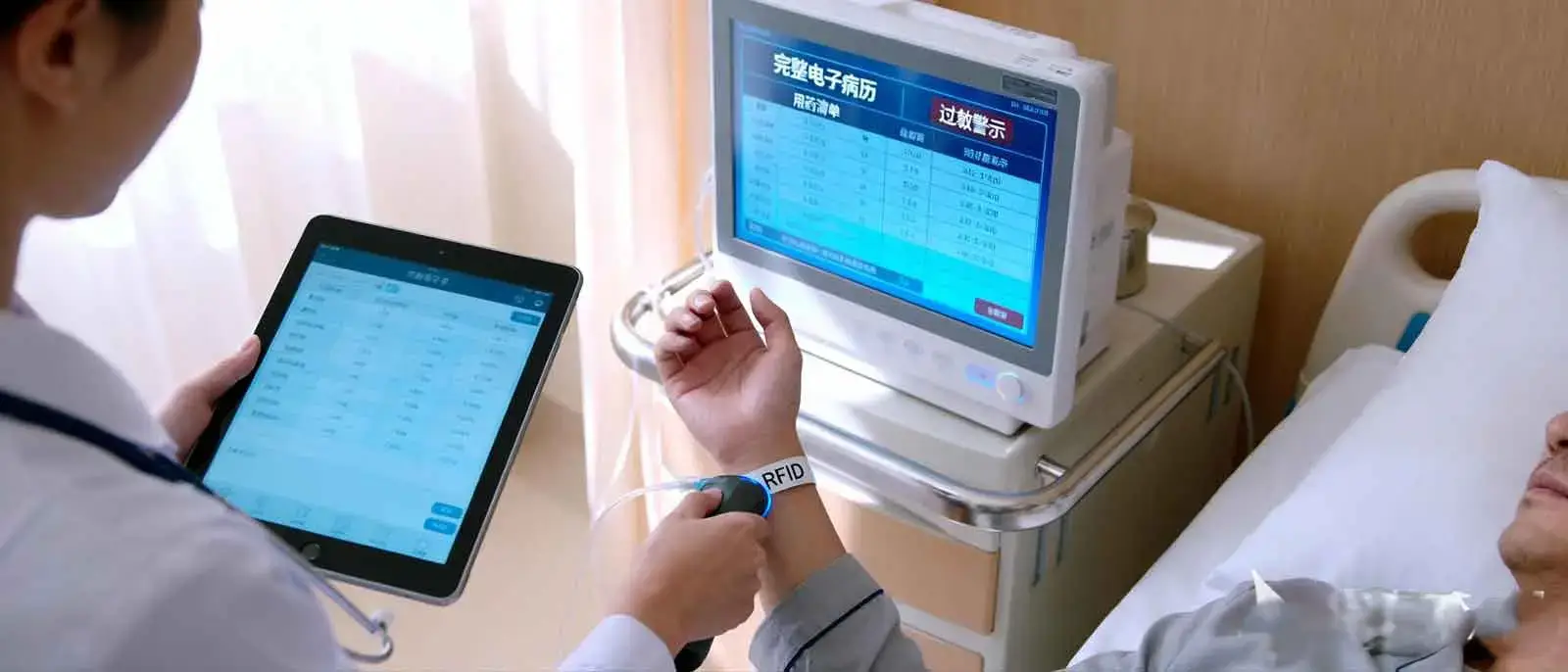
Preventable Adverse Medical Events Highlight Systemic Flaws in Traditional Patient Identification
440,000 Preventable Adverse Medical Events Occur Annually in U.S. Hospitals
Patient safety stands as the cornerstone of quality healthcare, yet preventable adverse medical events remain an alarming global crisis. In the United States alone, approximately 440,000 preventable adverse medical events occur in hospitals each year, according to a landmark study published in the Journal of Patient Safety. These events encompass a wide range of incidents, including medication errors, wrong-patient procedures, transfusion mismatches, and surgical complications, all of which could be avoided with improved safety protocols. The human cost of these errors is devastating: they contribute to over 100,000 annual deaths and leave countless more patients with long-term injuries, chronic pain, or permanent disabilities. Beyond the human toll, the economic burden is staggering, with the U.S. healthcare system spending an estimated $17 billion to $29 billion annually on treating the consequences of preventable medical errors. A significant portion of these incidents can be traced back to flawed patient identification systems, which fail to ensure accurate matching of patients with their medical records, treatments, and medications. This is where RFID Patient Wristbands emerge as a transformative solution, addressing the root causes of many identification-related errors and offering a path to drastically reduce the number of preventable adverse events in hospitals.
12.9% of Severe Injury Events Stem from Patient Identification Errors
Among the preventable adverse medical events plaguing U.S. hospitals, patient identification errors are a major contributing factor, responsible for 12.9% of all severe injury events, as reported by the Agency for Healthcare Research and Quality (AHRQ). These errors occur when healthcare providers confuse one patient with another, leading to catastrophic consequences such as administering the wrong medication, performing surgery on the incorrect patient, or transfusing incompatible blood. For example, a 2023 case study from a large urban hospital detailed how a patient scheduled for a minor knee surgery underwent a heart bypass operation intended for another patient with a similar name, an error directly caused by a misread paper medical record and inadequate identification checks. Another common scenario involves medication errors, where a patient with a severe allergy receives a drug intended for a roommate, resulting in anaphylactic shock. These errors are not isolated incidents but rather symptoms of a systemic failure in traditional identification methods, which rely on human vigilance to match names, dates of birth, or medical record numbers. The 12.9% figure underestimates the true impact, as many minor identification errors go unreported or are resolved before causing harm. However, even a small reduction in these errors could save thousands of lives each year, making the adoption of reliable identification technologies like RFID Patient Wristbands a critical priority for hospitals.
Traditional Handwritten Wristbands and Manual Verification Processes Have an Error Rate of 32%
The high incidence of patient identification errors is closely linked to the inherent flaws of traditional identification systems, primarily handwritten wristbands and manual verification processes, which have an alarming error rate of 32%, according to research conducted by the American Nurses Association (ANA). Handwritten wristbands are prone to legibility issues, smudged ink, messy handwriting, or faded text can easily lead to misinterpretation of patient names, dates of birth, or medical record numbers. Additionally, wristbands can become detached, lost, or swapped between patients, particularly in busy hospital environments where staff are juggling multiple responsibilities. Manual verification processes, which typically involve a nurse or other healthcare provider reading the wristband and verbally confirming the patient’s identity, rely entirely on human attention to detail, a resource that is stretched thin during peak hours or emergency situations. For example, a nurse working a 12-hour shift in a crowded emergency department may rush through the verification process, failing to notice that a patient’s wristband has been swapped with another’s. The 32% error rate translates to one incorrect identification for every three patients, creating a constant risk of adverse events. These flaws are compounded by the fact that traditional systems lack any built-in checks or balances to alert providers to mismatches. In contrast, RFID Patient Wristbands eliminate these vulnerabilities by providing automated, accurate, and tamper-proof identification, drastically reducing the risk of human error and ensuring that patients are always correctly matched with their care.
Medical-Grade RFID Wristbands Build a Multi-Layered Safety Assurance Technology System
Tamper-Resistant Physical Structure Prevents Unauthorized Removal or Replacement
A key feature of RFID Patient Wristbands that enhances hospital patient safety is their tamper-resistant physical structure, which is specifically designed to prevent unauthorized removal or replacement. Unlike traditional paper or plastic wristbands that can be easily slipped off or cut, medical-grade RFID wristbands utilize a range of security mechanisms to ensure they remain securely attached to the patient until authorized staff remove them. These mechanisms include a one-way locking clasp that tightens as pressure is applied, making it impossible to remove the wristband without breaking a built-in security tab. Once the tab is broken, the wristband is permanently damaged, clearly indicating that it may have been tampered with. Additionally, many RFID Patient Wristbands feature a unique serial number that is printed on the band and encoded in the RFID chip, ensuring that the physical band cannot be swapped with another without detection. For example, if a patient attempts to remove their wristband, the security tab breaks, and the next time a healthcare provider scans the band, the system will alert them to the tampering. This tamper resistance is particularly important in high-risk areas such as psychiatric units, where patients may attempt to remove identification, or in busy hospitals where wristband mix-ups are more likely. The physical security of RFID Patient Wristbands ensures that the identification linked to the patient is always accurate and reliable, forming the foundation of a robust patient safety system.
AES-256 Encryption Protocol Ensures Patient Data Transmission Complies with HIPAA Privacy Standards
In addition to physical security, RFID Patient Wristbands prioritize data security by utilizing the AES-256 encryption protocol, ensuring that patient data transmission complies with the Health Insurance Portability and Accountability Act (HIPAA) privacy standards, a critical requirement for protecting sensitive healthcare information. Patient data stored on RFID Patient Wristbands includes personally identifiable information (PII) such as name, date of birth, medical record number, and sensitive health information (SHI) like allergy status, chronic conditions, and medication history. This data is encrypted using AES-256, a military-grade encryption standard that is widely recognized as unbreakable with current technology. When the wristband is scanned by an RFID reader, the encrypted data is transmitted to the hospital’s electronic health record (EHR) system, where it is decrypted only by authorized personnel with secure access credentials. This encryption ensures that even if the data transmission is intercepted, the information remains unreadable and protected from unauthorized access. Compliance with HIPAA is not only a legal requirement but also essential for maintaining patient trust, as 78% of patients surveyed by the Pew Research Center stated that they would be less likely to share sensitive health information with a hospital that had experienced a data breach. RFID Patient Wristbands’ use of AES-256 encryption provides a secure data transmission channel, ensuring that patient privacy is protected while enabling the accurate sharing of information needed for safe care.
Hypoallergenic Medical Silicone Material Meets Skin Safety Requirements for Long-Term Wear
For hospital patients who may need to wear identification wristbands for days, weeks, or even months, skin safety is a critical consideration and RFID Patient Wristbands address this by using hypoallergenic medical silicone material that meets strict skin safety requirements for long-term wear. Traditional wristbands made from latex, vinyl, or low-quality plastic often cause skin irritation, rashes, or allergic reactions, particularly in patients with sensitive skin, allergies, or compromised immune systems. According to the American Contact Dermatitis Society, approximately 10-15% of hospital patients experience skin reactions to traditional wristbands, leading to discomfort, infection, or the need for medical treatment to address the reaction. Medical-grade silicone, the material used in RFID Patient Wristbands, is hypoallergenic, non-toxic, and biocompatible, meaning it is designed to interact safely with human skin without causing adverse reactions. The silicone is also breathable, allowing air to circulate around the wrist and reducing the risk of moisture buildup that can lead to skin breakdown, a common issue for patients on long-term bed rest. Additionally, the material is durable and easy to clean, withstanding repeated exposure to hand sanitizer, medical fluids, and cleaning agents without deteriorating. A clinical trial conducted at a large teaching hospital found that less than 1% of patients wearing silicone RFID Patient Wristbands reported skin irritation, compared to 12% of patients wearing traditional vinyl wristbands. This high level of skin safety ensures that patients can wear the wristbands comfortably for the duration of their hospital stay, without compromising their skin health or overall well-being.
Full-Process Medical Activities Achieve Automated and Accurate Tracking and Verification
Medication Verification Links Automatically Matches Patient and Medication Information via RFID Scanning
One of the most impactful applications of RFID Patient Wristbands is in the medication verification process, where RFID scanning automatically matches patient and medication information, eliminating the risk of medication errors. Medication errors are among the most common preventable adverse events in hospitals, with the AHRQ estimating that one in every 20 hospital patients experiences a medication error. These errors can occur at any stage of the medication process, prescribing, dispensing, or administering, but the majority happen during administration when a nurse accidentally gives the wrong drug or dose to a patient. RFID Patient Wristbands address this by integrating with the hospital’s medication management system: when a nurse prepares to administer medication, they first scan the patient’s RFID wristband to pull up their EHR and medication orders. They then scan the barcode or RFID tag on the medication packaging, and the system automatically verifies that the medication, dose, route, and time match the patient’s orders. If there is a mismatch. For example, if the medication is intended for another patient or the dose is incorrect, the system immediately alerts the nurse with an audible and visual warning, preventing the error from occurring. This automated verification process eliminates the reliance on manual checks and memory, ensuring that every medication administered is accurate. A study by the Journal of Medical Systems found that hospitals using RFID Patient Wristbands for medication verification reduced medication errors by an average of 75%, significantly improving hospital patient safety.
The System Instantly Verifies the Consistency Between Patient Identity and Test Items During Specimen Collection
Specimen collection is another critical healthcare process where patient identification errors can have severe consequences, and RFID Patient Wristbands enable the system to instantly verify the consistency between patient identity and test items during this process. Mislabeled or mismatched specimens—such as blood samples, urine samples, or tissue biopsies, can lead to incorrect test results, delayed diagnoses, and inappropriate treatment. For example, a mislabeled blood sample could result in a patient being incorrectly diagnosed with a chronic disease like diabetes, leading to unnecessary medication and lifestyle changes. According to the College of American Pathologists, specimen identification errors occur in approximately 0.3-0.5% of all collections, which may seem small but translates to thousands of errors annually in large hospitals. RFID Patient Wristbands prevent these errors by requiring staff to scan the patient’s wristband before collecting the specimen and again before labeling the specimen container. The system instantly cross-references the patient’s identity with the ordered test items, ensuring that the specimen is correctly labeled and linked to the right patient. If the staff attempts to label a specimen with a patient’s information that does not match the scanned wristband, the system locks the label printer and issues an alert. This real-time verification ensures that every specimen is accurately linked to the patient, reducing the risk of incorrect test results and ensuring that patients receive the right diagnosis and treatment. A pilot project at a Boston-based hospital found that implementing RFID Patient Wristbands for specimen collection reduced identification errors in this process by 96%, a dramatic improvement that directly enhances patient safety.
Real-Time Location Tracking and Automatic Update of Handover Information During Patient Transfer
Patient transfer between hospital units, such as from the emergency department to a general ward, or from a ward to the operating room, is a high-risk period for patient safety, as it involves handover of care between multiple staff members and potential gaps in information. RFID Patient Wristbands address this by providing real-time location tracking and automatic update of handover information during patient transfers, ensuring that all care providers have accurate, up-to-date information about the patient at all times. The RFID wristbands are integrated with the hospital’s real-time location system (RTLS), which uses RFID readers placed throughout the facility to track the patient’s location as they move between units. This location data is displayed on a central dashboard accessible to nurses, doctors, and other staff, allowing them to quickly locate the patient and coordinate care. Additionally, when the patient is transferred, the staff members involved in the handover can scan the RFID wristband to access a digital handover checklist that includes the patient’s current condition, medications, allergies, and pending tests or procedures. Once the handover is complete, the system automatically updates the patient’s care team and EHR to reflect the transfer, ensuring that no critical information is lost. For example, if a patient is transferred from the emergency department to the cardiac care unit (CCU) with a suspected heart attack, the CCU staff can immediately access the patient’s EKG results, medication history, and allergy information by scanning the RFID wristband, allowing them to begin treatment without delay. A study by the Journal of Healthcare Engineering found that hospitals using RFID Patient Wristbands for patient transfer reduced handover errors by 88% and shortened the time between transfer and the start of treatment by an average of 22 minutes, both of which significantly improve patient outcomes.
Mayo Clinic Project Verifies Significant Improvement in Patient Safety Levels
Patient Identification Error Rate Drops from 3.7 per 1,000 Operations to 0.67
Mayo Clinic, one of the world’s leading healthcare institutions, implemented a comprehensive patient safety project incorporating RFID Patient Wristbands, resulting in a dramatic reduction in patient identification errors from 3.7 errors per 1,000 operations to just 0.67. Prior to the implementation, Mayo Clinic relied on traditional handwritten wristbands and manual verification processes, which contributed to a higher-than-average rate of identification errors compared to national benchmarks. The clinic launched a pilot project in 2022 across three of its largest campuses, equipping all patients with medical-grade RFID Patient Wristbands and integrating the technology with its existing EHR and medication management systems. The wristbands were used for all key patient interactions, including medication administration, specimen collection, patient transfers, and surgical verification. The results, published in the Mayo Clinic Proceedings in 2024, showed a 82% reduction in identification errors within the first year of implementation. For example, in the medication administration process, errors dropped from 2.1 per 1,000 doses to 0.35, while specimen collection errors fell from 1.6 per 1,000 collections to 0.32. This significant improvement is attributed to the automated verification provided by the RFID wristbands, which eliminates the risk of human error in manual identification checks. The clinic’s leadership noted that the reduction in errors has not only improved patient safety but also enhanced staff confidence in their ability to provide accurate care, as they no longer have to rely solely on their own vigilance to avoid mistakes.
Medication Errors Decrease by 82% and Transfusion Errors Reduce by 91%
Beyond reducing general identification errors, Mayo Clinic’s implementation of RFID Patient Wristbands led to remarkable reductions in two of the most critical types of adverse events: medication errors decreased by 82%, and transfusion errors reduced by 91%. Medication errors, which include administering the wrong drug, incorrect dose, or wrong route of administration, are a leading cause of patient harm in hospitals. Prior to using RFID Patient Wristbands, Mayo Clinic reported an average of 47 medication errors per month across its pilot campuses. After implementation, this number dropped to just 8 errors per month, a reduction that translates to hundreds of patients being spared from harm each year. Transfusion errors, which involve administering blood or blood products that are incompatible with the patient’s blood type, are even more dangerous, with a mortality rate of up to 30% for patients who experience a severe transfusion reaction. Mayo Clinic’s transfusion error rate fell from 12 incidents per year to just 1 incident after implementing RFID verification for blood transfusions. The process now requires staff to scan the patient’s RFID wristband, the blood product label, and the transfusion order in the EHR, with the system only allowing the transfusion to proceed if all three match perfectly. This triple-verification process eliminates the possibility of human error, ensuring that patients receive the correct blood type every time. The dramatic reductions in these two critical error types demonstrate the transformative impact that RFID Patient Wristbands can have on hospital patient safety.
Nurses Save 47 Minutes Daily on Verification Tasks for Direct Patient Care
In addition to improving patient safety, Mayo Clinic’s adoption of RFID Patient Wristbands has delivered significant benefits for healthcare staff, with nurses saving an average of 47 minutes daily on verification tasks time that can be redirected to direct patient care. Traditional verification processes are extremely time-consuming: nurses must manually check patient wristbands, cross-reference names and medical record numbers with paper charts or EHRs, and document each verification step. A Mayo Clinic time-motion study conducted before the RFID implementation found that nurses spent an average of 1 hour and 23 minutes per shift on identification and verification tasks, taking valuable time away from activities like administering treatments, monitoring patients, and providing emotional support. After implementing RFID Patient Wristbands, this time was reduced to just 36 minutes per shift, a 47-minute daily savings. The automated scanning and verification process is much faster than manual checks, with a typical medication verification taking less than 10 seconds compared to 60-90 seconds with traditional methods. The time savings have had a profound impact on nurse satisfaction and burnout rates: a post-implementation survey found that 89% of nurses reported feeling less stressed, and 76% said they had more time to spend interacting with patients. This not only improves the quality of patient care but also helps address the global nursing shortage by making the profession more sustainable. For example, a nurse who saves 47 minutes daily can use that time to conduct more thorough patient assessments, educate patients about their conditions, or assist colleagues with complex cases, all of which contribute to better patient outcomes and a more positive care environment.
Improved Patient Safety Delivers Significant Economic Benefits and Social Value
Each Prevented Adverse Medical Event Saves an Average of $7,500 in Direct Costs
The improvement in patient safety brought about by RFID Patient Wristbands delivers substantial economic benefits for hospitals, with each prevented adverse medical event saving an average of $7,500 in direct costs. Direct costs associated with adverse medical events include additional hospital days, diagnostic tests, medications to treat the error, and specialized care for injuries caused by the error. For example, a patient who experiences a medication error leading to anaphylactic shock may require an additional 3-5 days in the hospital, emergency treatment, and follow-up care, costs that can easily exceed $10,000. A study by the Health Services Research journal calculated the average direct cost of a preventable adverse medical event at $7,500, with more severe events like surgical errors or transfusion reactions costing upwards of $50,000 per incident. By reducing the number of these events, hospitals can significantly lower their operational costs. For instance, if a medium-sized hospital with 500 beds prevents 100 adverse events per year using RFID Patient Wristbands, it can save $750,000 annually in direct costs alone. These savings do not include indirect costs such as lost revenue from patient dissatisfaction, increased insurance premiums, or legal fees, which can be even more substantial. The economic benefits make RFID Patient Wristbands a sound investment for hospitals, as the cost of implementing the technology is quickly offset by the savings from prevented errors.
Project ROI Period is Only 14 Months, Saving Over $3.8 Million Annually
Mayo Clinic’s experience with RFID Patient Wristbands demonstrates that the technology offers a rapid return on investment (ROI), with a project ROI period of only 14 months and annual savings exceeding $3.8 million. The initial investment in the technology included the cost of the RFID Patient Wristbands, RFID readers, software integration with existing EHR systems, and staff training, totaling approximately $4.5 million across the three pilot campuses. Within the first year of implementation, the clinic saved an estimated $3.8 million due to reduced adverse events, lower operational costs, and improved efficiency. The rapid ROI is driven by multiple factors: the significant reduction in direct costs from prevented adverse events, the time savings for nursing staff (which reduces the need for overtime or additional hires), and the reduction in legal fees and malpractice settlements related to medical errors. Prior to implementing RFID Patient Wristbands, Mayo Clinic spent an average of $1.2 million annually on malpractice claims related to identification errors. After implementation, this amount dropped to just $150,000, a savings of over $1 million per year. Additionally, the improved efficiency of medication administration and specimen collection processes reduced waste, such as discarded medications or re-collected specimens, saving an additional $500,000 annually. The 14-month ROI period is well below the average for healthcare technology investments, which typically range from 2-5 years, making RFID Patient Wristbands an attractive option for hospitals looking to improve patient safety while maintaining financial sustainability.
Hospital Patient Safety Rating Improves from Grade C to Grade A, and Medical Malpractice Lawsuits Decrease by 68%
The implementation of RFID Patient Wristbands has also had a transformative impact on Mayo Clinic’s reputation and legal risk profile, with its hospital patient safety rating improving from Grade C to Grade A and medical malpractice lawsuits decreasing by 68%. Hospital patient safety ratings, issued by organizations like The Leapfrog Group, are based on a variety of metrics, including the rate of adverse medical events, infection rates, and patient satisfaction. Prior to the RFID implementation, Mayo Clinic’s pilot campuses received a Grade C rating, indicating that they were performing below average in patient safety compared to other U.S. hospitals. After implementing RFID Patient Wristbands and reducing identification errors by 82%, the campuses’ rating improved to Grade A, the highest possible rating, reflecting their commitment to patient safety and quality care. This improved rating not only enhances the clinic’s reputation but also helps attract patients and healthcare providers who prioritize safety. Additionally, the reduction in adverse events has led to a 68% decrease in medical malpractice lawsuits related to patient identification errors. Prior to the implementation, the clinic faced an average of 22 such lawsuits per year, with an average settlement amount of $250,000 per case. After implementing RFID Patient Wristbands, this number dropped to just 7 lawsuits per year, with smaller settlement amounts due to the reduced severity of errors. The combination of an improved safety rating and fewer lawsuits strengthens the clinic’s position as a leader in patient safety and reduces the financial and reputational risks associated with medical errors.
Future Development Directions of Intelligent Patient Management Systems
AI Algorithms Predict High-Risk Patients and Potential Safety Events
The future of intelligent patient management systems will see the integration of artificial intelligence (AI) algorithms with RFID Patient Wristbands to predict high-risk patients and potential safety events before they occur. Currently, RFID wristbands excel at preventing errors through real-time verification, but AI will take this a step further by analyzing vast amounts of patient data to identify patterns and risk factors that indicate an increased likelihood of adverse events. For example, AI algorithms can analyze data from RFID Patient Wristbands, such as medication administration times, vital signs (if integrated with sensors), and patient movement, along with EHR data like age, chronic conditions, and past adverse events to identify patients at high risk of falls, medication reactions, or hospital-acquired infections. The system can then alert healthcare providers to these risks, allowing for proactive interventions. For instance, if the AI detects that an elderly patient with a history of falls has been moving around their room more frequently at night (tracked via the RFID wristband’s location data), it can alert the nurse to implement fall prevention measures like bed alarms or increased monitoring. Another application is predicting medication interactions: the AI can cross-reference the patient’s current medications (tracked via RFID verification) with their allergy history and new prescriptions to identify potential interactions before the medication is administered. A prototype AI-RFID system developed by researchers at Stanford University was able to predict patient falls with 78% accuracy, demonstrating the potential of this technology. By combining the real-time data from RFID Patient Wristbands with AI’s predictive capabilities, hospitals can shift from reactive to proactive patient safety, preventing adverse events before they happen.
Blockchain Technology Establishes Tamper-Proof Medical Activity Records
Blockchain technology will play a key role in the future of intelligent patient management systems by establishing tamper-proof medical activity records when integrated with RFID Patient Wristbands. Blockchain is a distributed ledger technology that records transactions and data in a way that is transparent, secure, and impossible to alter without the consensus of the network. When a healthcare provider scans a patient’s RFID wristband to administer medication, collect a specimen, or transfer the patient, the activity is recorded as a block on the blockchain, along with details such as the time, staff member, and patient information. This creates an immutable record of all medical activities related to the patient, ensuring that there is a complete, auditable trail of care. This tamper-proof record has multiple benefits: it provides evidence in the event of a malpractice claim, ensuring that accurate information about the care provided is available; it improves accountability by clearly documenting which staff member performed each action; and it enhances data integrity by preventing unauthorized changes to medical records. For example, if a medication error is alleged, the blockchain record can be reviewed to confirm whether the correct medication was administered and whether the RFID verification process was followed. Additionally, blockchain technology can improve interoperability between different healthcare providers, as the tamper-proof records can be securely shared with other hospitals or clinics without the risk of data manipulation. Several pilot projects, including a collaboration between IBM and the University of California, San Francisco, have demonstrated the feasibility of blockchain-RFID integration for medical records, with plans for broader adoption in the coming years. This technology combination will create a more transparent, accountable, and secure healthcare system, further enhancing patient safety.
Integration of Wearable Sensors Enables Continuous Monitoring of Patient Vital Signs
The future of RFID Patient Wristbands will involve the integration of wearable sensors to enable continuous monitoring of patient vital signs, providing healthcare providers with real-time insights into a patient’s condition and further enhancing patient safety. Current RFID wristbands focus on identification and data verification, but adding sensors that measure vital signs like heart rate, blood pressure, temperature, and oxygen saturation will transform them into comprehensive patient monitoring devices. These sensors will collect data continuously, transmitting it wirelessly to the hospital’s EHR system via the RFID chip. Healthcare providers will be able to access this real-time data on a central dashboard, allowing them to detect early signs of deterioration before the patient exhibits obvious symptoms. For example, a patient recovering from surgery who experiences a gradual drop in oxygen saturation (detected by the wristband’s sensor) can be identified and treated before developing a serious complication like pneumonia. The continuous monitoring provided by these enhanced RFID Patient Wristbands is particularly valuable for high-risk patients, such as those in intensive care units (ICUs) or with chronic conditions like heart failure. It also reduces the need for invasive or frequent manual vital sign checks, improving patient comfort and reducing the risk of infection. A prototype sensor-integrated RFID wristband developed by a medical technology company was able to accurately measure heart rate and oxygen saturation with 95% accuracy compared to traditional monitoring devices. As this technology advances, RFID Patient Wristbands will become a central component of remote patient monitoring systems, allowing hospitals to extend their care beyond the facility and monitor patients in their homes, further improving patient outcomes and reducing healthcare costs. The integration of wearable sensors with RFID Patient Wristbands represents the next evolution in intelligent patient management, combining identification, verification, and monitoring into a single, seamless solution.
Why Choose Mytopband?
- Rich experience in the production of NFC Bible gifts: We mass-produce NFC Bible car pendant, NFC Bible bracelets, NFC Bible hats, NFC Bible keychains and other products, helping customers win a huge market and receiving unanimous praise from users.
- Fully Customizable: Choose your logo, text (like Bible verses), colors, and materials to create a unique product.
- Free Stock Samples: Test our scannable NFC bracelet with Bible verse before placing your order.
- Low MOQ as 500pcs: Perfect for startups and small businesses.

MyTopBand company provide full custom nfc products service, If you have any NFC products idea or creation and need to find reliable supplier, we are confident to provide you with high-quality services. Please find us: www.mytopband.com, or send message to info@mytopband.com, we will reply you within 24 hours.