
Prominent Pain Points in Global Pet Owners’ Vaccine Record Management
Traditional Vaccine Record Methods Are Prone to Loss and Omission, Causing Management Chaos
Across the globe, pet ownership has become increasingly prevalent, with millions of families welcoming cats, dogs, and other companion animals into their homes. As responsible pet owners prioritize their pets’ health, vaccine management has become a critical part of pet care—but traditional vaccine record methods have created persistent pain points that lead to chaos and inefficiency. Most pet owners still rely on paper-based records, digital notes, or mobile app logs that are not integrated with professional medical systems, making these records highly susceptible to loss, damage, or omission. Paper records, for instance, can be misplaced during moves, spilled on, or faded over time, while digital notes stored on personal devices can be accidentally deleted or lost if the device malfunctions. Even when records are kept, manual entry often leads to errors—such as incorrect vaccine dates, misspelled vaccine names, or missing booster information—which further complicates management. This disorganization not only creates confusion for pet owners but also poses risks for pets: if a vaccine dose is missed or a booster is delayed due to lost records, pets may be left vulnerable to preventable diseases. Micro RFID Tags have emerged as a game-changing solution to this chaos, as they store vaccine information securely and permanently on a tiny, implantable device, eliminating the risk of loss or omission. By adopting Micro RFID Tags for pet vaccine management, pet owners and veterinarians can ensure that every vaccine dose, date, and detail is stored in a tamper-proof, easily accessible format, bringing order to the often messy process of vaccine record-keeping.
Pet Owners Struggle to Quickly Query Complete Vaccine Information
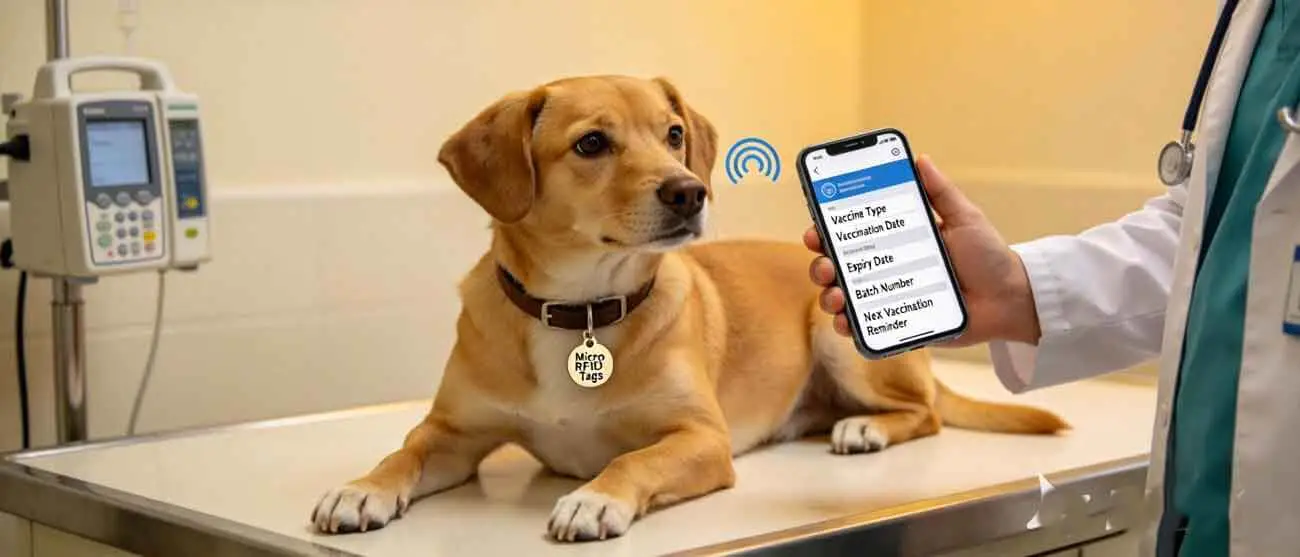
In addition to the risk of loss and omission, traditional vaccine record methods make it extremely difficult for pet owners to quickly access complete vaccine information, a challenge that undermines effective pet health management. Pet owners often need to retrieve vaccine records in urgent situations—such as a visit to a new veterinarian, an emergency trip to an animal hospital, or when preparing for pet boarding or travel. However, paper records may be stored at home or in a separate location, while digital records may be scattered across multiple apps or devices, requiring time and effort to locate. For example, a pet owner whose dog suddenly falls ill may be asked by a veterinarian for the dog’s complete vaccine history, but if the paper record is left at home or the digital log is inaccessible, the veterinarian may not have the information needed to make informed treatment decisions. This delay can not only cause stress for pet owners but also impact the quality of care their pets receive. Even in non-urgent situations, pet owners may struggle to track when their pets are due for boosters, leading to missed doses. Micro RFID Tags solve this problem by providing instant access to complete vaccine information—with a simple scan of the tag using a dedicated reader or a compatible mobile device, pet owners and veterinarians can view the pet’s entire vaccine history, including types of vaccines administered, dates of , and upcoming booster schedules. This quick and convenient access ensures that pet owners can always stay informed about their pets’ vaccine status, making it easier to prioritize their pets’ health and avoid missed doses.
Irregular Vaccine Records Affect the Efficiency of Pet Health Management
Irregularities in vaccine records—caused by loss, omission, or manual errors—directly impact the efficiency of pet health management, creating unnecessary work for veterinarians and frustration for pet owners. Veterinarians rely on accurate, complete vaccine records to assess a pet’s health status, recommend appropriate care, and ensure that pets are protected against diseases. When records are missing or incorrect, veterinarians may need to spend extra time verifying vaccine history, which takes away from time spent providing direct care to pets. In some cases, veterinarians may even need to administer duplicate vaccines to ensure protection, which is not only costly for pet owners but also unnecessary for the pet. For pet owners, irregular records mean spending more time communicating with veterinarians, searching for lost records, or correcting errors, which detracts from the joy of pet ownership. Additionally, irregular vaccine records can make it difficult to comply with local pet health regulations, which often require up-to-date vaccine documentation. This can result in fines or restrictions on pet activities, such as boarding or public access. Micro RFID Tags eliminate these inefficiencies by standardizing vaccine record-keeping, ensuring that all information is accurate, complete, and easily accessible. By using Micro RFID Tags for pet vaccination tracking, veterinarians can streamline their workflow, reduce administrative tasks, and provide more efficient care, while pet owners can save time and have peace of mind knowing their pets’ vaccine records are in order.
Implantation Methods and Safety Guarantees of Micro RFID Tags
Micro RFID Tag Implantation Process Complying with Veterinary Operating Standards
The implantation of Micro RFID Tags is a safe, minimally invasive procedure that strictly complies with international veterinary operating standards, ensuring the well-being of pets throughout the process. Before implantation, veterinarians conduct a thorough health check to ensure the pet is in good condition and can tolerate the procedure—this includes assessing the pet’s age, weight, overall health, and any existing medical conditions. For puppies and kittens, implantation is typically performed when they are around 8 weeks old, once they have received their first round of vaccines and are strong enough to handle the procedure. The implantation site is carefully selected to minimize discomfort and reduce the risk of complications—most commonly, the tag is implanted subcutaneously (under the skin) between the pet’s shoulder blades, a area with minimal nerve endings and movement, which reduces irritation and the chance of the tag shifting. The procedure itself takes less than a minute: the veterinarian cleans and disinfects the implantation site, uses a sterile needle or specialized implantation tool to insert the Micro RFID Tag, and then applies a small bandage to protect the area. Throughout the process, veterinarians follow strict sterile protocols to prevent infection, and they monitor the pet for any signs of discomfort or adverse reactions. After implantation, the veterinarian provides pet owners with post-care instructions, such as avoiding excessive activity for 24-48 hours and monitoring the implantation site for redness, swelling, or discharge. This standardized process ensures that Micro RFID Tag implantation is safe, quick, and stress-free for both pets and their owners, adhering to the highest veterinary standards of care.
Material Safety of Micro RFID Tags Adapting to Pets’ Bodies
The safety of Micro RFID Tags is further ensured by their high-quality, biocompatible materials, which are specifically designed to adapt to pets’ bodies and minimize the risk of adverse reactions. Micro RFID Tags are typically made from medical-grade materials such as glass or biocompatible plastic, which are non-toxic, hypoallergenic, and resistant to corrosion. The glass used in most Micro RFID Tags is a special type of soda-lime glass that is smooth, durable, and compatible with the pet’s subcutaneous tissue—this material does not react with the pet’s body, reducing the risk of inflammation, infection, or rejection. Additionally, the tags are hermetically sealed to prevent moisture or bacteria from entering, which further protects the pet’s body and ensures the tag’s longevity. The size of Micro RFID Tags is also carefully designed to be minimally invasive: most tags are smaller than a grain of rice, making them barely noticeable once implanted and reducing any discomfort for the pet. Unlike some other identification methods, Micro RFID Tags do not contain any harmful chemicals or heavy metals, making them safe for pets of all sizes, from small kittens and puppies to large dogs and exotic pets. Extensive testing has been conducted to verify the safety of these materials, and they have been approved by veterinary associations around the world for use in companion animals. Pet owners can rest assured that Micro RFID Tags are safe for their pets, as they are designed to integrate seamlessly with the pet’s body and cause no long-term harm.
No Adverse Effects on Pets’ Daily Activities After Implantation
One of the key advantages of Micro RFID Tags is that they have no adverse effects on pets’ daily activities, allowing pets to behave normally immediately after implantation. The small size and subcutaneous placement of the tags mean that pets do not feel any discomfort or restriction in their movement—they can run, jump, play, and groom themselves as usual without being bothered by the tag. Unlike collars or harnesses, which can be lost, chewed, or cause irritation, Micro RFID Tags are permanently implanted and do not interfere with the pet’s natural behavior. After the initial 24-48 hour post-implantation period, the implantation site heals quickly, and pets rarely show any signs of awareness of the tag’s presence. Even active pets, such as working dogs or outdoor cats, are not affected by the tag—they can engage in all their usual activities, including swimming, digging, and climbing, without any risk of the tag being damaged or dislodged. Additionally, Micro RFID Tags do not interfere with other medical procedures, such as X-rays or ultrasounds—veterinarians can easily perform diagnostic tests without the tag causing any interference. Pet owners often report that their pets show no change in behavior after implantation, and many are not even aware that their pet has a tag. This lack of adverse effects makes Micro RFID Tags an ideal choice for pet vaccine management, as they provide a permanent, low-maintenance solution without compromising the pet’s quality of life.
Writing and Reading Processes of Pet Vaccine Information
Standardized Writing Methods for Vaccine Type, Time, Validity Period and Other Information
The writing of vaccine information into Micro RFID Tags follows a standardized process that ensures accuracy, consistency, and compliance with pet health standards, making it easy for veterinarians and pet owners to track pet vaccination tracking. Before writing information, veterinarians verify the pet’s identity (typically through visual confirmation and existing records) to ensure the correct information is linked to the correct pet. The information written into the Micro RFID Tag includes key details such as the pet’s name, breed, date of birth, owner’s contact information, and comprehensive vaccine data—including the type of vaccine (e.g., rabies, distemper, parvovirus), the date of administration, the vaccine’s validity period, the name of the administering veterinarian, and the clinic where the vaccine was given. This information is entered into a dedicated veterinary software system, which is then connected to an RFID writer device. The veterinarian places the Micro RFID Tag near the writer, and the software transmits the information to the tag’s internal chip in a matter of seconds. The writing process is encrypted to prevent tampering, ensuring that the information remains accurate and secure. Additionally, the information is formatted in a standardized way that is compatible with veterinary systems around the world, making it easy for other veterinarians to read and understand the records. This standardized writing method eliminates the risk of manual errors and ensures that all critical vaccine information is stored in a consistent, accessible format, making pet vaccine management more efficient and reliable.
Convenient and Efficient Vaccine Information Reading Operation Process
Reading vaccine information from Micro RFID Tags is a convenient and efficient process that requires minimal time and no specialized technical knowledge, making it accessible to both veterinarians and pet owners. Veterinarians typically use a handheld RFID reader or a desktop reader connected to their veterinary software system—these readers are lightweight, portable, and easy to use. To read the tag, the veterinarian simply holds the reader near the pet’s shoulder blades (the implantation site), and the reader automatically detects the Micro RFID Tag and retrieves the stored information. The information is displayed on the reader’s screen or synced to the veterinary software in real time, allowing the veterinarian to quickly review the pet’s complete vaccine history. For pet owners, many veterinary clinics provide access to a mobile app that is compatible with Micro RFID Tags—pet owners can download the app, connect it to their smartphone’s NFC or RFID capabilities, and scan their pet’s tag to view vaccine information at any time. This means that pet owners can access their pet’s vaccine records while on the go, whether they are at a new veterinary clinic, a boarding facility, or traveling with their pet. The reading process takes less than a second, making it far more efficient than searching for paper records or digital logs. This convenience ensures that vaccine information is always accessible when needed, reducing stress and improving the efficiency of pet health management.
Information Updatable Feature Adapts to Pets’ Subsequent Vaccine Needs
A key advantage of Micro RFID Tags for pet vaccine management is their updatable feature, which allows veterinarians to easily add new vaccine information as pets receive boosters or additional vaccines, adapting to their ongoing health needs. Unlike traditional static records, which require manual updates or replacement, Micro RFID Tags can be rewritten multiple times throughout the pet’s life, ensuring that their vaccine history is always up to date. When a pet receives a booster shot or a new vaccine, the veterinarian simply uses the RFID writer to add the new information (such as the vaccine type, date of administration, and validity period) to the existing data on the tag. This update process is quick and seamless, taking only a few seconds, and the new information is immediately accessible to anyone who scans the tag. This feature is particularly important for pets that require regular boosters—such as rabies vaccines, which are typically required annually or every three years— as it ensures that the latest vaccine information is always stored on the tag. Additionally, the updatable feature allows veterinarians to add notes or alerts, such as reminders for upcoming boosters or special considerations for the pet’s health. This adaptability ensures that Micro RFID Tags remain a valuable tool throughout the pet’s life, growing with the pet and meeting their changing vaccine needs. Pet owners and veterinarians can rely on Micro RFID Tags to provide a complete, up-to-date record of the pet’s vaccine history, making it easier to manage their long-term health.
Adaptation to Pet Medical Data Compliance Requirements in Different Countries
Pet Medical Data Compliance Requirements and Tag Adaptation in European and American Countries
European and American countries have strict pet medical data compliance requirements, and Micro RFID Tags are designed to adapt to these standards, ensuring that pet vaccine records meet all legal and regulatory obligations. In the European Union (EU), the Pet Travel Scheme (PETS) requires that pets have a valid microchip (which can be Micro RFID Tags) and up-to-date rabies vaccine records to travel between EU countries. Additionally, EU regulations require that pet medical data, including vaccine records, be stored securely and be accessible to authorized personnel, such as veterinarians and border control officials. Micro RFID Tags comply with these requirements by storing encrypted, tamper-proof vaccine information that can only be accessed with a compatible reader, ensuring data privacy and security. In the United States, each state has its own regulations regarding pet vaccine records, but most require proof of rabies vaccination for dogs and cats. Micro RFID Tags are widely accepted by U.S. veterinary clinics, animal control agencies, and border control as a valid form of vaccine documentation, as they provide a permanent, unalterable record of the pet’s vaccine history. Additionally, Micro RFID Tags can be linked to national pet registries in both Europe and the United States, allowing authorities to quickly verify a pet’s vaccine status and owner information. This adaptation to European and American compliance requirements makes Micro RFID Tags an essential tool for pet owners who travel with their pets or want to ensure their pet’s records meet local regulations.
Pet Medical Data Compliance Standards and Application Points in Southeast Asian Countries
Southeast Asian countries have their own unique pet medical data compliance standards, and Micro RFID Tags are tailored to meet these requirements, making them a reliable choice for pet vaccine management in the region. Countries such as Singapore, Malaysia, Thailand, and Indonesia have strict regulations regarding pet vaccination, particularly for rabies, which is a significant public health concern in some areas. For example, Singapore requires all dogs and cats to be microchipped and vaccinated against rabies, with vaccine records stored in a national database. Micro RFID Tags are compatible with Singapore’s national pet registry, allowing veterinarians to upload vaccine information directly to the database when the tag is updated. In Malaysia, pet owners are required to present valid vaccine records when registering their pets or traveling with them, and Micro RFID Tags are accepted as a valid form of documentation due to their tamper-proof nature. Thailand has similar requirements, with a focus on preventing the spread of rabies and other animal diseases, and Micro RFID Tags help ensure that vaccine records are accurate and accessible. Key application points for Micro RFID Tags in Southeast Asia include compatibility with local pet registries, support for multiple languages (where necessary), and compliance with regional data protection laws. By adapting to these standards, Micro RFID Tags help pet owners in Southeast Asia comply with local regulations, protect their pets’ health, and facilitate travel with their pets within the region.
Micro RFID Tags Help Pet Vaccine Data Meet International Standards
In an increasingly globalized world, where pet travel across borders is common, Micro RFID Tags play a crucial role in helping pet vaccine data meet international standards, ensuring that pets can move freely and safely between countries. International organizations such as the World Organization for Animal Health (OIE) have established guidelines for pet vaccination and identification, and Micro RFID Tags comply with these guidelines, making them universally accepted. The OIE recommends the use of microchips (including Micro RFID Tags) for pet identification and vaccine tracking, as they provide a permanent, reliable way to link pets to their vaccine records. Micro RFID Tags store information in a standardized format that is compatible with veterinary systems and border control facilities around the world, allowing officials to quickly verify a pet’s vaccine status regardless of the country of origin. Additionally, Micro RFID Tags can be linked to international pet travel databases, which provide a centralized record of a pet’s vaccine history, making it easier for border control officials to confirm compliance with entry requirements. This compatibility with international standards eliminates the need for pet owners to carry multiple paper records or undergo additional testing when traveling with their pets, reducing stress and delays. By using Micro RFID Tags for pet vaccination tracking, pet owners can ensure that their pet’s vaccine data meets international requirements, making cross-border travel smoother and more efficient.
Information Synchronization Mechanism Between Pet Hospitals and Owners
Real-Time Synchronization of Vaccine Information Through Micro RFID Tag Linkage
Micro RFID Tags enable real-time synchronization of vaccine information between pet hospitals and owners, creating a seamless communication channel that ensures both parties have access to the latest data. Pet hospitals use specialized software systems that are linked to Micro RFID Tags—when a veterinarian updates the tag with new vaccine information, the data is automatically synced to the hospital’s database and to the pet owner’s preferred platform (such as a mobile app or email). This real-time synchronization eliminates the need for manual updates or communication, as both the pet hospital and the owner receive the latest vaccine information immediately after it is written to the tag. For example, when a pet receives a booster shot, the veterinarian updates the Micro RFID Tag, and the pet owner receives a notification via the mobile app, along with the updated vaccine details. This ensures that the pet owner is always informed about their pet’s vaccine status, and the pet hospital has a complete, up-to-date record of the pet’s health. Additionally, the synchronization feature allows multiple veterinary clinics to access the same vaccine information (with the owner’s permission), which is particularly useful if the pet is seen by a specialist or if the owner moves to a new area. This real-time linkage between Micro RFID Tags, pet hospitals, and owners ensures that everyone involved in the pet’s care has access to accurate, current vaccine information, improving communication and collaboration.
Pet Owners Can Conveniently Query Vaccine Information to Grasp Their Pets’ Health Status
Thanks to the synchronization mechanism enabled by Micro RFID Tags, pet owners can conveniently query their pets’ vaccine information at any time, allowing them to stay informed about their pets’ health status and make informed decisions. Most pet hospitals that use Micro RFID Tags provide pet owners with access to a user-friendly mobile app or web portal, where they can view their pet’s complete vaccine history, upcoming booster schedules, and any notes from the veterinarian. To access this information, pet owners simply need to log into the app or portal—no need to scan the tag unless they want to verify the data. The app also sends automated reminders for upcoming booster shots, ensuring that pet owners never miss a dose. Additionally, some apps allow pet owners to add their own notes, such as symptoms or concerns, which can be shared with the veterinarian during appointments. This convenient access to vaccine information empowers pet owners to take an active role in their pets’ health management, as they can quickly check when their pet is due for a vaccine, review past doses, and ensure that their pet is protected against diseases. Whether at home, at work, or on the go, pet owners can rely on Micro RFID Tags to provide easy access to their pets’ vaccine records, giving them peace of mind and control over their pets’ health.
Information Synchronization Improves Pet Hospital Service Efficiency and Owner Satisfaction
The information synchronization enabled by Micro RFID Tags not only benefits pet owners but also significantly improves the service efficiency of pet hospitals and increases owner satisfaction. For pet hospitals, real-time synchronization eliminates the need for manual data entry and record-keeping, reducing administrative tasks and freeing up time for veterinarians to focus on patient care. When a pet is brought in for a vaccine, the veterinarian can quickly scan the Micro RFID Tag to access the pet’s complete history, eliminating the need to search for paper records or digital logs. This streamlines the appointment process, reducing wait times for pet owners and allowing the hospital to see more patients. Additionally, the synchronization feature reduces the risk of errors, as vaccine information is automatically updated and shared, ensuring that all staff have access to the same accurate data. For pet owners, the convenience of real-time access to vaccine information and automated reminders reduces stress and frustration, making their experience with the pet hospital more positive. Pet owners also appreciate the transparency provided by Micro RFID Tags, as they can easily verify their pet’s vaccine status and ensure that the hospital is providing the correct care. Studies have shown that pet hospitals that use Micro RFID Tags for pet vaccination tracking have higher owner satisfaction rates, as the technology simplifies vaccine management and improves communication between the hospital and the owner. This win-win situation makes Micro RFID Tags an invaluable tool for modern pet hospitals.
Application Value of Micro RFID Tags in Pet Entry-Exit Quarantine
Tags Help Quickly Verify Pet Vaccine Qualifications
Micro RFID Tags play a critical role in pet entry-exit quarantine by enabling quick and accurate verification of a pet’s vaccine qualifications, which is essential for ensuring the safety of both pets and public health. When pets travel across borders, border control officials are required to verify that the pet has received all necessary vaccines, particularly rabies, to prevent the spread of diseases. Traditional methods of verification—such as paper records or digital logs—can be time-consuming and prone to fraud, as documents can be forged or altered. Micro RFID Tags eliminate this risk by storing tamper-proof vaccine information that can be quickly scanned and verified by border control officials. With a simple scan of the tag, officials can instantly access the pet’s vaccine history, including the type of vaccines administered, dates of , and validity periods, allowing them to confirm that the pet meets the entry requirements of the destination country. This quick verification process reduces the time spent on quarantine checks, making the entry-exit process smoother for both pet owners and officials. Additionally, Micro RFID Tags help prevent the entry of unvaccinated pets, which could pose a risk to local animal populations and public health. By enabling quick verification of vaccine qualifications, Micro RFID Tags ensure that pets can travel safely and legally across borders.
Simplify Pet Entry-Exit Quarantine Process and Improve Pass Efficiency
In addition to quick verification, Micro RFID Tags simplify the entire pet entry-exit quarantine process, reducing delays and improving pass efficiency for pet owners and border control officials. Without Micro RFID Tags, pet owners often need to carry multiple paper records, undergo lengthy inspections, and in some cases, place their pets in quarantine for several days while their vaccine records are verified. This process is not only stressful for pets but also time-consuming and costly for pet owners. Micro RFID Tags streamline this process by providing all necessary vaccine information in a single, easily accessible format—border control officials can scan the tag in seconds, verify the pet’s vaccine status, and clear the pet for entry or exit without the need for additional documentation. This eliminates the need for lengthy inspections and reduces the likelihood of quarantine, as the tag provides irrefutable proof of vaccination. For example, in countries that participate in the EU Pet Travel Scheme, pets with Micro RFID Tags and up-to-date rabies vaccines can travel freely between EU countries without quarantine, as the tag provides instant verification of their vaccine status. This simplification of the quarantine process saves pet owners time and money, reduces stress for pets, and improves the efficiency of border control operations. Micro RFID Tags have become an essential tool for pet travel, making cross-border movement easier and more convenient.
Ensure Health Compliance of Pets During Entry-Exit Process
Above all, Micro RFID Tags ensure the health compliance of pets during the entry-exit process, protecting both the pet and the destination country’s animal population. By providing a permanent, tamper-proof record of the pet’s vaccine history, Micro RFID Tags ensure that pets meet the health requirements of the destination country, reducing the risk of introducing diseases such as rabies, distemper, or parvovirus. This is particularly important in countries where certain diseases are endemic, as unvaccinated pets could spread these diseases to local animals and even humans. Micro RFID Tags also help track pets throughout the entry-exit process, allowing officials to monitor their health and ensure that they do not pose a risk. For example, if a pet’s vaccine is due to expire soon, border control officials can notify the pet owner and ensure that the booster is administered before the pet is allowed to enter the country. Additionally, Micro RFID Tags can be used to track pets if they become lost during travel, ensuring that they can be reunited with their owners and their vaccine status can be verified. By ensuring health compliance, Micro RFID Tags not only protect the pet’s health but also contribute to global efforts to prevent the spread of animal diseases. For pet owners, this means peace of mind knowing that their pet is healthy and compliant with international health standards, making cross-border travel a positive experience for both them and their pet.
Why Choose Mytopband?
- Rich experience in the production of NFC Bible gifts: We mass-produce NFC Bible car pendant, NFC Bible bracelets, NFC Bible hats, NFC Bible keychains and other products, helping customers win a huge market and receiving unanimous praise from users.
- Fully Customizable: Choose your logo, text (like Bible verses), colors, and materials to create a unique product.
- Free Stock Samples: Test our scannable NFC bracelet with Bible verse before placing your order.
- Low MOQ as 500pcs: Perfect for startups and small businesses.

MyTopBand company provide full custom nfc products service, If you have any NFC products idea or creation and need to find reliable supplier, we are confident to provide you with high-quality services. Please find us: www.mytopband.com, or send message to info@mytopband.com, we will reply you within 24 hours.