
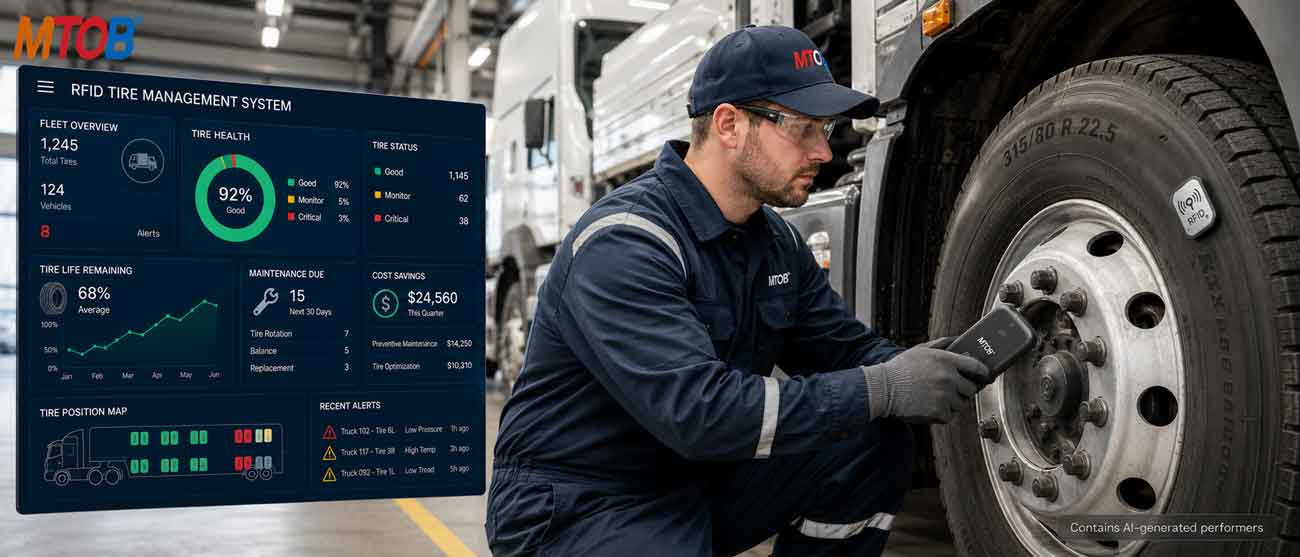
For commercial fleet operators, tires are among the largest and most overlooked operating expenses. Whether managing long-haul trucks, public transit buses, mining equipment, construction vehicles, or logistics fleets, organizations often spend millions of dollars annually on tire procurement, maintenance, and replacement.
Despite this investment, many fleets still rely on manual inspections, spreadsheets, and paper records to manage tire assets. These outdated processes create visibility gaps that lead to premature tire replacement, increased downtime, maintenance inefficiencies, and avoidable safety risks.
RFID Tire Tags are transforming how organizations manage tire assets. By assigning every tire a unique digital identity, RFID technology enables complete lifecycle tracking from installation to retirement.
As transportation companies increasingly embrace digital transformation, RFID Tire Tags are becoming a foundational technology for smarter fleet management.
Why Tire Management Is a Critical Fleet Challenge
Most fleet managers closely monitor fuel consumption, vehicle utilization, and maintenance schedules. However, tire management often remains fragmented.
A single fleet may operate thousands of tires simultaneously across multiple locations.
Common challenges include:
-
Missing tire history records
-
Tire theft and loss
-
Inefficient maintenance scheduling
-
Incorrect tire rotation practices
-
Inaccurate inventory counts
-
Difficulty tracking retread cycles
-
Premature tire disposal
Without accurate tracking, organizations cannot determine which tires deliver the best performance or identify the root causes of excessive wear.
The result is higher operating costs and reduced asset utilization.
What Are RFID Tire Tags?
RFID Tire Tags are specialized RFID transponders designed specifically for tire identification and lifecycle tracking.
Unlike standard RFID labels, these tags are engineered to survive extreme operating conditions.
Typical characteristics include:
-
Heat resistance
-
Moisture resistance
-
Impact resistance
-
Chemical resistance
-
Long operational lifespan
Each RFID Tire Tag contains a unique electronic identifier that can be associated with detailed tire information within a fleet management platform.
Data commonly stored includes:
-
Tire serial number
-
Manufacturer information
-
Installation date
-
Vehicle assignment
-
Maintenance history
-
Retread records
-
Inspection results
This creates a permanent digital identity for every tire.
How RFID Tire Tracking Systems Work
A complete RFID tire management system typically includes four components.
RFID Tire Tags
Installed inside or attached to tires.
RFID Readers
Used at maintenance facilities, warehouses, service centers, and inspection points.
Fleet Management Software
Stores tire records and generates reports.
Analytics Dashboard
Provides operational insights and performance metrics.
Whenever a tagged tire is scanned, the system automatically updates its status.
This eliminates manual data entry and improves information accuracy.
Benefit 1: Unique Identification for Every Tire
Traditional tire management often relies on visual markings or manually recorded serial numbers.
These methods are time-consuming and prone to error.
RFID Tire Tags provide:
-
Instant identification
-
Accurate asset records
-
Automated data collection
-
Permanent tire traceability
Fleet personnel can quickly determine the complete history of any tire without manual record searches.
Benefit 2: Reduced Tire Replacement Costs
One of the largest hidden expenses in fleet operations is premature tire replacement.
Many organizations replace tires based on estimates rather than actual performance data.
RFID Tire Tags allow managers to monitor:
-
Service life
-
Wear patterns
-
Maintenance history
-
Retread performance
With accurate lifecycle data, fleets can maximize tire utilization while maintaining safety standards.
Even a small increase in average tire lifespan can generate substantial savings across large fleets.
Benefit 3: Improved Maintenance Planning
Effective maintenance scheduling is critical for fleet reliability.
RFID-enabled tracking helps organizations:
-
Schedule inspections
-
Monitor wear conditions
-
Track tire rotations
-
Manage retreading programs
Instead of relying on manual reminders, maintenance teams receive data-driven recommendations.
This helps reduce unexpected failures and vehicle downtime.
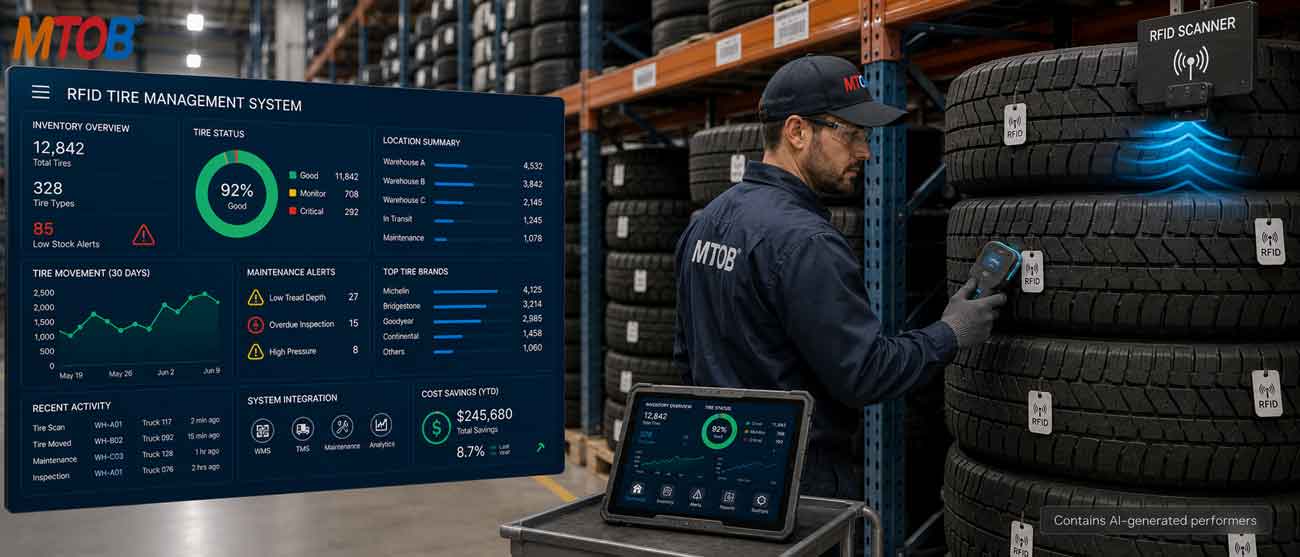
Benefit 4: Better Tire Inventory Visibility
Large fleet operations often maintain extensive tire inventories.
Without automated tracking, inventory management becomes difficult.
Common problems include:
-
Missing inventory
-
Overstocking
-
Stock shortages
-
Inaccurate records
RFID Tire Tags enable rapid inventory audits and real-time visibility.
Fleet managers can instantly determine:
-
Inventory levels
-
Tire locations
-
Usage rates
-
Reorder requirements
This improves operational efficiency and inventory control.
Benefit 5: Enhanced Fleet Safety
Tire failures remain one of the leading causes of roadside breakdowns.
Poorly managed tire assets increase the risk of:
-
Blowouts
-
Vehicle downtime
-
Cargo delays
-
Accidents
RFID Tire Tags help maintenance teams verify:
-
Inspection compliance
-
Tire age
-
Service history
-
Maintenance completion
Improved visibility supports safer fleet operations.
Benefit 6: Stronger Retread Management
Retreading is a major cost-saving strategy for commercial fleets.
However, effective retread programs require accurate lifecycle tracking.
RFID Tire Tags provide visibility into:
-
Number of retread cycles
-
Tire performance history
-
Retread eligibility
-
Cost-per-mile performance
This allows organizations to make informed retread decisions and maximize asset value.
Benefit 7: Reduced Tire Theft and Loss
Commercial truck tires can represent significant asset value.
Without tracking systems, organizations may struggle to identify:
-
Missing tires
-
Unauthorized replacements
-
Inventory discrepancies
RFID technology creates accountability throughout the tire lifecycle.
Every movement can be recorded and verified.
This reduces losses and improves asset security.
Benefit 8: Data-Driven Fleet Optimization
Modern fleet management increasingly depends on analytics.
RFID Tire Tags generate valuable operational data including:
Tire Utilization Metrics
Identify underutilized assets.
Performance Comparisons
Evaluate different tire brands and models.
Maintenance Effectiveness
Measure the impact of service programs.
Cost Analysis
Calculate tire-related operating expenses.
These insights support continuous improvement initiatives.
Benefit 9: Regulatory Compliance Support
Transportation companies often face strict documentation requirements.
RFID Tire Tags simplify compliance by creating digital records for:
-
Inspections
-
Maintenance activities
-
Asset history
-
Safety audits
Automated reporting reduces administrative workload while improving record accuracy.
Benefit 10: Sustainability and ESG Benefits
Sustainability is becoming increasingly important for fleet operators.
RFID Tire Tags support environmental goals by helping organizations:
-
Extend tire life
-
Reduce waste
-
Improve resource efficiency
-
Optimize retreading programs
Longer tire lifecycles contribute directly to sustainability initiatives and cost reduction efforts.
RFID Tire Tags Applications Across Industries
Logistics and Transportation
Long-haul trucking fleets use RFID Tire Tags to monitor tire utilization and maintenance schedules.
Public Transit
Bus operators improve safety and reduce operating costs through lifecycle tracking.
Mining Operations
Mining vehicles operate in extreme conditions where tire visibility is critical.
Construction Equipment
Heavy machinery fleets use RFID technology to improve maintenance management.
Vehicle Leasing Companies
Leasing providers track tire performance across multiple vehicle assignments.
Best Practices for Implementing RFID Tire Tags
Successful deployment begins with proper planning.
Select Durable Tags
Choose tags designed specifically for tire applications.
Integrate With Fleet Software
Ensure compatibility with existing maintenance platforms.
Train Maintenance Teams
Personnel should understand scanning procedures and data management workflows.
Establish Tracking Standards
Create consistent processes for inspections, installations, and replacements.
Monitor Performance Metrics
Regularly analyze collected data to maximize system value.
Future Trends in RFID Tire Management
The future of tire management is becoming increasingly connected.
Emerging developments include:
IoT-Connected Tires
Integration with tire pressure and temperature sensors.
Predictive Maintenance
AI-driven maintenance recommendations based on tire performance data.
Smart Fleet Platforms
Unified dashboards connecting vehicles, tires, drivers, and maintenance records.
Sustainability Reporting
Automated lifecycle tracking for ESG reporting requirements.
Organizations implementing RFID Tire Tags today will be better positioned to benefit from these innovations.
Why RFID Tire Tags Are Becoming Essential for Modern Fleets
Fleet operators face constant pressure to improve efficiency, reduce costs, and maintain safety standards.
RFID Tire Tags provide a practical solution by delivering:
-
Complete tire visibility
-
Automated tracking
-
Improved maintenance planning
-
Better inventory management
-
Enhanced safety performance
-
Stronger sustainability outcomes
As fleets continue their digital transformation journey, RFID Tire Tags are rapidly becoming a best-practice technology for tire lifecycle management and asset optimization.
FAQ
What are RFID Tire Tags?
RFID Tire Tags are specialized RFID devices that provide unique identification and lifecycle tracking for vehicle tires.
Can RFID Tire Tags survive harsh operating conditions?
Yes. RFID Tire Tags are designed to withstand heat, pressure, moisture, vibration, and demanding transportation environments.
How do RFID Tire Tags improve fleet management?
They automate tire identification, improve maintenance planning, reduce losses, and provide complete lifecycle visibility.
Are RFID Tire Tags suitable for retreaded tires?
Yes. RFID Tire Tags can track tires across multiple retread cycles and maintain complete service histories.
Which industries use RFID Tire Tags?
Transportation, logistics, public transit, mining, construction, leasing, and industrial fleet operations commonly use RFID Tire Tags.

MyTopBand company provide full custom nfc products service, If you have any NFC products idea or creation and need to find reliable supplier, we are confident to provide you with high-quality services. Please find us: www.mytopband.com, or send message to info@mytopband.com, we will reply you within 24 hours.