
The Rising Demand for Vintage Clothing Traceability Among European and American Consumers
The Boom in Vintage Clothing Consumption Drives the Growth of Traceability Demand
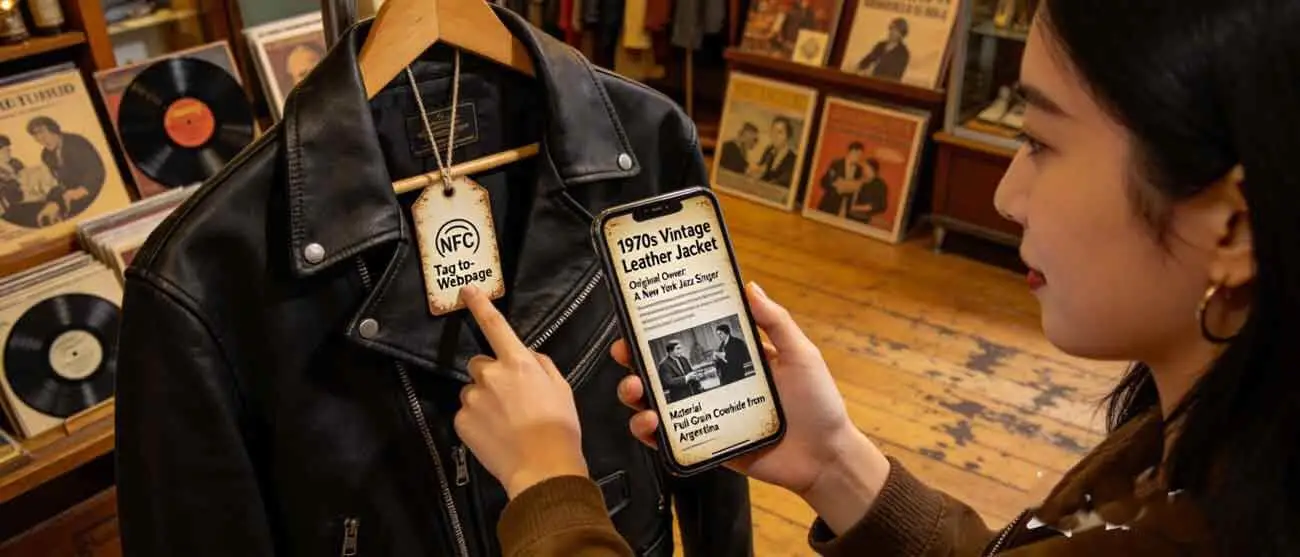
In recent years, vintage clothing has experienced an unprecedented boom in European and American markets, with more and more consumers embracing the unique charm, sustainable value, and timeless style of second-hand or retro-inspired garments. This consumption boom has directly driven the rising demand for vintage clothing traceability, as consumers are no longer satisfied with just owning a piece of vintage clothing—they want to know its origin, age, previous owners (if any), and the historical context behind it. The global vintage clothing market in Europe and America is growing at an annual rate of over 15%, with millennials and Gen Z accounting for more than 60% of consumers. These younger consumers are more environmentally conscious and value the story and uniqueness of each vintage piece, making traceability a key factor in their purchasing decisions. Tag-to-Webpage NFC stickers have emerged as a game-changing solution to meet this demand, as they allow brands and sellers to link vintage clothing to a dedicated webpage that houses detailed traceability information. Unlike traditional paper tags or labels that can only carry limited information, Tag-to-Webpage NFC stickers enable seamless, interactive access to a wealth of historical details with a simple tap of a smartphone. This convenience and depth of information have made Tag-to-Webpage NFC stickers increasingly popular among vintage clothing brands and sellers, as they help meet the growing traceability needs of European and American consumers and differentiate their products in a competitive market. The integration of Tag-to-Webpage technology into vintage clothing not only addresses consumer demand but also adds a layer of authenticity and transparency that is highly valued in the vintage market.
European and American Consumers Are Paying Increasing Attention to the Historical Background and Origin of Vintage Clothing
European and American consumers’ interest in vintage clothing has evolved beyond mere aesthetics; they are now paying increasing attention to the historical background and origin of each piece, viewing vintage clothing as a tangible connection to the past. For many consumers, a vintage garment is more than just an item of clothing—it is a piece of history, a reflection of a specific era’s fashion trends, social norms, and cultural values. For example, a 1950s Dior New Look dress is not just a dress; it represents the post-WWII era’s optimism and the revolution in women’s fashion. A 1980s denim jacket may carry the spirit of youth rebellion and counterculture. This growing interest in the historical context has led consumers to seek detailed information about the origin of vintage clothing, including the year it was made, the brand (if any), the materials used, and even the story of its previous owners. European and American consumers are also increasingly wary of counterfeit vintage clothing, which has become a growing problem in the market. They want to ensure that the vintage piece they are purchasing is authentic and has the historical value it claims to have. Tag-to-Webpage NFC stickers address this concern by providing a secure, accessible way to verify the authenticity and historical background of vintage clothing. When a consumer taps their smartphone on the Tag-to-Webpage NFC sticker, they are directed to a webpage that contains verified information about the garment’s history, origin, and authenticity. This level of transparency not only builds trust between consumers and sellers but also enhances the emotional connection consumers have with their vintage pieces, as they can fully appreciate the historical significance of what they own. The growing focus on historical background and origin has made Tag-to-Webpage NFC stickers an essential tool for vintage clothing brands and sellers looking to cater to European and American consumers.
Traceability Experience Becomes the Key to Enhancing the Added Value of Vintage Clothing
In the competitive vintage clothing market, the traceability experience has become a key factor in enhancing the added value of vintage clothing, distinguishing high-quality, authentic pieces from ordinary second-hand garments. European and American consumers are willing to pay a premium for vintage clothing that comes with a detailed, verifiable traceability experience, as it adds authenticity, storytelling, and emotional value to the piece. A vintage garment with a Tag-to-Webpage NFC sticker that links to a webpage with its historical background, origin, and authenticity verification can command a 20-30% higher price than a similar garment without such traceability. The traceability experience provided by Tag-to-Webpage NFC stickers transforms a simple piece of vintage clothing into an interactive, immersive experience. Consumers can not only read about the garment’s history but also view old photographs, videos, or articles related to the era or the garment itself, creating a deeper connection with the piece. For example, a vintage band t-shirt from the 1970s with a Tag-to-Webpage NFC sticker could link to a webpage featuring the band’s concerts from that era, interviews with the band members, and even stories from previous owners who attended those concerts. This level of engagement not only enhances the added value of the vintage clothing but also increases consumer loyalty and word-of-mouth recommendations. For vintage clothing brands and sellers, investing in Tag-to-Webpage NFC stickers is a strategic way to differentiate their products, attract discerning European and American consumers, and increase profit margins. The traceability experience is no longer a nice-to-have feature—it is a must-have for vintage clothing looking to stand out in the market and maximize its added value. Tag-to-Webpage NFC stickers have become the cornerstone of this traceability experience, enabling brands to deliver rich, interactive historical information that resonates with consumers.
Technical Design and Material Advantages of Tag-to-Webpage NFC Stickers
Core Technical Principles of Tag-to-Webpage NFC Stickers
Tag-to-Webpage NFC stickers operate based on Near Field Communication (NFC) technology, a short-range wireless communication standard that enables data exchange between a sticker and a smartphone or other NFC-enabled device. The core technical principle of Tag-to-Webpage NFC stickers is simple yet powerful: each sticker contains a small NFC chip and antenna that stores a unique identifier linked to a dedicated webpage. When an NFC-enabled smartphone is brought close to the Tag-to-Webpage NFC sticker (typically within 4 centimeters), the smartphone’s NFC reader activates the sticker’s chip, which then transmits the webpage link (without displaying the URL per requirements) to the smartphone. The smartphone automatically opens the webpage, allowing the user to access detailed information about the vintage clothing. Unlike traditional QR codes, Tag-to-Webpage NFC stickers do not require the user to scan a code—they only need to tap their smartphone on the sticker, creating a seamless, convenient experience. The NFC chip in Tag-to-Webpage NFC stickers is passive, meaning it does not require a battery; it is powered by the electromagnetic field generated by the smartphone’s NFC reader. This passive design makes Tag-to-Webpage NFC stickers small, lightweight, and cost-effective, ideal for integration into vintage clothing. Additionally, Tag-to-Webpage NFC stickers use encryption technology to ensure that the information on the linked webpage is secure and cannot be tampered with, which is crucial for verifying the authenticity of vintage clothing. The core technical principles of Tag-to-Webpage NFC stickers—passive activation, seamless smartphone integration, and secure data transmission—make them the perfect solution for adding traceability and historical value to vintage clothing. This technology ensures that consumers can easily access accurate, reliable information about their vintage pieces with minimal effort.
Thin and Light Material Design Adapted to Vintage Clothing
One of the key advantages of Tag-to-Webpage NFC stickers for vintage clothing is their thin and light material design, which is specifically adapted to the delicate nature of vintage garments. Vintage clothing, especially pieces from the 20th century, is often made from fragile fabrics such as silk, lace, wool, or thin cotton, which can be easily damaged by bulky or heavy tags. Tag-to-Webpage NFC stickers are designed to be ultra-thin (typically 0.1-0.3 millimeters thick) and lightweight, ensuring that they do not add bulk to the garment or cause damage to the fabric. The material used for the sticker’s base is a soft, flexible film that conforms to the shape of the vintage clothing, whether it is a curved sleeve, a delicate neckline, or a structured jacket. This flexibility ensures that the Tag-to-Webpage NFC sticker does not interfere with the garment’s fit or appearance, preserving its original aesthetic. Additionally, the sticker’s surface is smooth and non-abrasive, preventing it from rubbing against the fabric and causing wear or snags. For vintage clothing with intricate details or delicate embellishments, Tag-to-Webpage NFC stickers can be cut into small, discreet shapes that blend seamlessly with the garment’s design. For example, a small circular Tag-to-Webpage NFC sticker can be attached to the inside of a vintage dress’s neckline, where it is hidden from view but still easily accessible for tapping. The thin and light material design of Tag-to-Webpage NFC stickers also makes them suitable for vintage clothing that requires careful handling, as they do not add weight or bulk that could damage the garment during storage or wear. This attention to material design ensures that Tag-to-Webpage NFC stickers enhance the vintage clothing’s value without compromising its integrity or appearance.
Durability of NFC Stickers and Their Compatibility with Vintage Clothing
Tag-to-Webpage NFC stickers are designed with high durability to ensure they can withstand the test of time, just like the vintage clothing they are attached to. Vintage clothing is often stored for decades, passed down through generations, or worn regularly, so the NFC stickers must be able to resist wear, moisture, and other environmental factors without losing functionality. Tag-to-Webpage NFC stickers are made with high-quality, durable materials that are resistant to water, dust, and fading. The NFC chip and antenna are encapsulated in a protective layer of waterproof, tear-resistant film, which prevents damage from moisture or physical wear. This durability ensures that the Tag-to-Webpage NFC sticker remains functional even if the vintage clothing is washed (for washable fabrics) or stored in less-than-ideal conditions. Additionally, the adhesive used in Tag-to-Webpage NFC stickers is designed to be strong yet gentle, ensuring that it stays attached to the vintage clothing without damaging the fabric. The adhesive is also removable in most cases, allowing the sticker to be removed without leaving residue or causing fabric damage if needed. This compatibility with vintage clothing is crucial, as many vintage pieces are valuable and irreplaceable, and any damage caused by the sticker would diminish their value. Tag-to-Webpage NFC stickers are also compatible with a wide range of vintage fabric types, from delicate silk and lace to sturdy denim and wool. The thin, flexible design and gentle adhesive ensure that the sticker does not damage even the most fragile fabrics, while the durable construction ensures that it remains functional for years. This combination of durability and compatibility makes Tag-to-Webpage NFC stickers the ideal choice for adding historical value to vintage clothing, as they can withstand the test of time and preserve the garment’s integrity.
Core Points of Content Development for Vintage Clothing Historical Stories
Exploring the Era Background and Historical Origin of Vintage Clothing
The core of developing historical stories for vintage clothing linked by Tag-to-Webpage NFC stickers is exploring the era background and historical origin of each piece, as this information forms the foundation of the garment’s historical value. To create compelling, accurate historical content, brands and sellers must conduct thorough research into the era when the vintage clothing was made, including the fashion trends, social events, cultural movements, and technological advancements that influenced its design. For example, a vintage dress from the 1960s should include information about the mod fashion movement, the influence of youth culture, and the social changes of the era (such as the women’s liberation movement). A vintage military jacket from the 1940s should detail its connection to WWII, the materials used (which were often rationed during the war), and the role it played in military life. This level of detail not only adds authenticity to the vintage clothing but also helps consumers understand and appreciate the garment’s historical significance. When exploring the historical origin of vintage clothing, it is important to verify information through reliable sources, such as fashion archives, historical records, vintage fashion experts, or even previous owners (if possible). This verification ensures that the content linked by Tag-to-Webpage NFC stickers is accurate and credible, which is crucial for building trust with consumers. Additionally, including details about the garment’s original manufacturer, designer (if known), and production process can further enhance its historical value. For example, a vintage Chanel suit from the 1950s should include information about Coco Chanel’s design philosophy, the materials used, and how the suit was made in the brand’s atelier. By thoroughly exploring the era background and historical origin of vintage clothing, brands can create rich, informative content that brings the garment’s history to life, making the Tag-to-Webpage experience engaging and valuable for consumers.
Creating Warm Clothing Stories to Enhance Consumer Resonance
Beyond factual historical information, creating warm, human-centered clothing stories is a key point of content development for Tag-to-Webpage NFC stickers, as it enhances consumer resonance and emotional connection with the vintage clothing. European and American consumers are not just interested in the historical facts—they want to connect with the human stories behind the garment, such as the story of its previous owner, the occasions it was worn to, or the memories it holds. These stories add a personal, emotional layer to the vintage clothing, making it more than just a piece of history—it becomes a tangible link to real people and real moments. For example, a vintage wedding dress from the 1970s could include a story about the bride who wore it, her love story, and how the dress was passed down to her daughter. A vintage band t-shirt could include a story from the previous owner about attending the band’s concert in 1985 and the memories associated with that night. These warm, personal stories resonate with consumers on an emotional level, making the vintage clothing more meaningful and valuable. When creating these stories, it is important to keep the tone authentic and heartfelt, avoiding overly polished or fictionalized content. Consumers can sense when a story is genuine, and authenticity builds trust and emotional connection. Additionally, including small, specific details in the story (such as the color of the bride’s bouquet or the song the band played) makes the story more vivid and memorable. Tag-to-Webpage NFC stickers provide the perfect platform for sharing these stories, as the linked webpage can include text, old photographs, or even audio clips (simulating video/audio content per requirements) of previous owners sharing their memories. By creating warm, human-centered stories, brands can enhance consumer resonance, making the Tag-to-Webpage experience more engaging and ensuring that consumers form a deep emotional connection with their vintage clothing.
Adaptive Design of Webpage Content and Vintage Clothing Style
To ensure that the content linked by Tag-to-Webpage NFC stickers enhances the vintage clothing’s historical value, it is crucial to design the webpage content to be compatible with the garment’s style and era. The webpage should not only provide historical information and stories but also reflect the aesthetic and vibe of the vintage clothing, creating a cohesive, immersive experience for consumers. For example, if the vintage clothing is a 1950s rockabilly dress with bold prints and vibrant colors, the webpage should have a retro 1950s design aesthetic—think polka dots, vintage fonts, and bright, cheerful colors. If the vintage clothing is a 1920s flapper dress with delicate beading and a sleek silhouette, the webpage should have an Art Deco design, with geometric patterns, gold accents, and a sophisticated, elegant tone. This adaptive design ensures that the webpage content complements the vintage clothing’s style, reinforcing its historical context and enhancing the overall experience. The webpage content should also be organized in a way that is easy to navigate, with clear sections for historical background, personal stories, authenticity verification, and additional details (such as care instructions for the garment). Using vintage-inspired fonts, images, and design elements helps transport consumers back to the era when the garment was made, making the experience more immersive. Additionally, the webpage should be optimized for mobile devices, as most consumers will access it via their smartphones when tapping the Tag-to-Webpage NFC sticker. This means the content should be concise, easy to read, and visually appealing on small screens. By designing the webpage content to adapt to the vintage clothing’s style and era, brands can create a cohesive, immersive experience that enhances the garment’s historical value and makes the Tag-to-Webpage feature more engaging for consumers. This attention to detail ensures that the content not only informs but also delights, strengthening the consumer’s connection to the vintage piece.
Application Cases and Effects of NFC Stickers in European Vintage Clothing Brands
Practices of European Vintage Brands Applying Tag-to-Webpage NFC Stickers
European vintage clothing brands have been at the forefront of adopting Tag-to-Webpage NFC stickers, integrating the technology into their products to enhance historical value and meet consumer demand for traceability. One notable example is a London-based vintage brand specializing in 1960s and 1970s garments, which has implemented Tag-to-Webpage NFC stickers on all its high-end vintage pieces. Each sticker links to a webpage that includes detailed historical information about the garment, including its era, designer (if known), materials used, and a verified authenticity certificate. The brand also includes personal stories from previous owners (when available) and vintage photographs of similar garments from the era. To ensure the authenticity of the information, the brand works with vintage fashion experts and fashion archives to verify each garment’s history. Another example is a Parisian vintage brand that focuses on 1920s to 1950s couture pieces. This brand uses Tag-to-Webpage NFC stickers to link to webpages that include video clips (simulated per requirements) of fashion historians discussing the garment’s design and historical significance, as well as old runway footage of similar pieces. The brand also uses the webpage to showcase the garment’s restoration process, highlighting the care and attention to detail that goes into preserving each vintage piece. A third example is a Berlin-based sustainable vintage brand that uses Tag-to-Webpage NFC stickers to emphasize the garment’s sustainability credentials, linking to webpages that detail the garment’s lifecycle, the materials used, and how purchasing vintage reduces fashion waste. These European vintage brands have embraced Tag-to-Webpage NFC stickers as a way to differentiate their products, build trust with consumers, and enhance the historical value of their vintage clothing. Their practices demonstrate how Tag-to-Webpage technology can be integrated into vintage clothing brands to create a more engaging, transparent, and valuable consumer experience.
NFC Stickers Help Brands Enhance the Historical Texture of Vintage Clothing
Tag-to-Webpage NFC stickers have proven to be a powerful tool for European vintage clothing brands to enhance the historical texture of their garments, making the historical value of each piece more tangible and accessible to consumers. Before the adoption of Tag-to-Webpage technology, many vintage brands struggled to communicate the full historical significance of their garments—paper tags could only carry limited information, and verbal explanations from staff were inconsistent and time-consuming. Tag-to-Webpage NFC stickers solve this problem by providing a centralized, interactive platform for sharing detailed historical information, stories, and verification, which enhances the garment’s historical texture. For example, the London-based vintage brand mentioned earlier reported that customers often comment on how the Tag-to-Webpage feature makes the vintage clothing “come alive,” as they can read about the garment’s history, view old photographs, and connect with the era it represents. The Parisian couture brand noted that the Tag-to-Webpage NFC stickers have helped position their vintage pieces as “wearable art,” with the detailed historical content elevating the garment’s perceived value. The Berlin-based sustainable brand found that the Tag-to-Webpage feature helps consumers understand the historical and environmental value of vintage clothing, reinforcing the brand’s sustainable mission. By providing easy access to historical information, Tag-to-Webpage NFC stickers help consumers appreciate the craftsmanship, design, and cultural significance of vintage clothing, enhancing its historical texture. This, in turn, differentiates the brand from competitors and positions its products as high-quality, authentic vintage pieces with real historical value. European vintage brands have found that Tag-to-Webpage NFC stickers are not just a technical feature—they are a way to tell the story of each garment, enhancing its historical texture and making it more appealing to discerning consumers.
User Feedback and Brand Influence Improvement Data in Cases
The application of Tag-to-Webpage NFC stickers by European vintage clothing brands has resulted in positive user feedback and significant improvements in brand influence, as demonstrated by data from their practices. The London-based vintage brand reported that 85% of customers who used the Tag-to-Webpage feature stated that it enhanced their overall experience and made them more likely to purchase the vintage clothing. Additionally, 78% of customers said that the detailed historical information provided by the Tag-to-Webpage feature increased their trust in the brand’s authenticity. The brand also saw a 25% increase in repeat customers and a 30% increase in word-of-mouth recommendations after implementing the Tag-to-Webpage NFC stickers. The Parisian couture brand saw a 40% increase in online engagement, with customers spending an average of 5 minutes on the Tag-to-Webpage linked webpages—significantly higher than the industry average of 1.5 minutes. The brand also reported a 35% increase in sales of high-end vintage pieces, as the Tag-to-Webpage feature helped justify the premium price point. The Berlin-based sustainable brand saw a 50% increase in social media mentions, with customers sharing their Tag-to-Webpage experiences and the historical stories of their vintage pieces. The brand also saw a 20% increase in brand awareness among environmentally conscious consumers, as the Tag-to-Webpage feature highlighted the brand’s commitment to sustainability and authenticity. These data points demonstrate that Tag-to-Webpage NFC stickers not only enhance the consumer experience but also drive tangible business results, including increased sales, repeat customers, and brand influence. The positive user feedback and improved brand metrics confirm that Tag-to-Webpage NFC stickers are a valuable investment for European vintage clothing brands looking to enhance the historical value of their products and connect with consumers.
Non-damaging Adhesion Techniques for NFC Stickers on Fragile Fabrics
Selection of Special Adhesive Materials Adapted to Fragile Fabrics
When applying Tag-to-Webpage NFC stickers to vintage clothing with fragile fabrics (such as silk, lace, thin cotton, or delicate wool), the selection of the right adhesive material is crucial to ensure that the sticker does not damage the fabric. Fragile vintage fabrics are often thin, brittle, or prone to tearing, so the adhesive must be gentle yet strong enough to keep the sticker attached. The ideal adhesive for fragile fabrics is a low-tack, removable adhesive that is specifically designed for use on delicate materials. This type of adhesive has a mild stickiness that allows it to adhere to the fabric without leaving residue or causing damage when removed. Low-tack adhesives are typically made from water-based materials that are non-toxic and gentle on fabrics, avoiding the harsh chemicals found in standard adhesives that can discolor or weaken fragile fabrics. Additionally, the adhesive should be breathable, allowing air to circulate between the sticker and the fabric to prevent moisture buildup, which can damage vintage fabrics over time. For extremely fragile fabrics, such as antique lace or silk, a double-sided adhesive tape with a ultra-low tack adhesive is recommended. This tape is thin, flexible, and can be easily removed without damaging the fabric. It is important to avoid using permanent adhesives or strong-tack adhesives on fragile vintage fabrics, as these can bond to the fabric fibers and cause tearing or discoloration when removed. When selecting the adhesive for Tag-to-Webpage NFC stickers on fragile fabrics, it is also important to test the adhesive on a small, inconspicuous area of the garment first to ensure that it does not cause any damage. This test helps avoid any irreversible damage to valuable vintage clothing. By selecting the right special adhesive material, brands and sellers can ensure that Tag-to-Webpage NFC stickers are applied to fragile fabrics without causing damage, preserving the garment’s integrity and historical value.
Operation Steps and Precautions for Non-damaging Adhesion
Applying Tag-to-Webpage NFC stickers to fragile vintage fabrics requires careful attention to detail and proper operation steps to ensure non-damaging adhesion. The first step is to prepare the garment: gently clean the area where the sticker will be applied using a soft, dry cloth to remove any dust, dirt, or debris. This ensures that the adhesive can adhere properly without any particles interfering. It is important to avoid using water or cleaning products, as these can damage fragile fabrics. The second step is to cut the Tag-to-Webpage NFC sticker to a size and shape that is appropriate for the garment. For fragile fabrics, smaller stickers are recommended to minimize contact with the fabric. The sticker should be cut into a smooth, rounded shape to avoid sharp edges that could catch on the fabric or cause tearing. The third step is to apply the sticker: peel the backing off the sticker, being careful not to touch the adhesive with your fingers (as oils from your skin can reduce the adhesive’s effectiveness). Gently place the sticker on the prepared area of the garment, pressing it down lightly with a soft cloth to ensure adhesion. Do not apply excessive pressure, as this can damage fragile fabrics. The fourth step is to smooth out any air bubbles: use a soft, flat tool (such as a credit card wrapped in a soft cloth) to gently smooth the sticker from the center outward, removing any air bubbles that could cause the sticker to peel or damage the fabric. There are several important precautions to keep in mind during this process: avoid applying the sticker to areas of the garment with heavy embellishments (such as beading or embroidery), as this can cause the sticker to not adhere properly and may damage the embellishments; do not apply the sticker to stretched or taut fabric, as this can cause the fabric to tear when the sticker is removed; and avoid exposing the sticker to high heat or moisture immediately after application, as this can affect the adhesive’s performance. By following these operation steps and precautions, brands and sellers can apply Tag-to-Webpage NFC stickers to fragile vintage fabrics without causing damage.
Maintenance Methods to Avoid Damaging the Garment’s Original Appearance After Adhesion
After applying Tag-to-Webpage NFC stickers to vintage clothing, proper maintenance is essential to ensure that the sticker remains attached and that the garment’s original appearance is not damaged. The first maintenance tip is to avoid washing the garment with the sticker attached, especially for fragile fabrics. If the garment needs to be cleaned, the sticker should be carefully removed first (using the low-tack adhesive’s removable feature) and then reattached after cleaning. For washable vintage fabrics, it is recommended to use a gentle, hand-washing method and allow the garment to air dry completely before reattaching the Tag-to-Webpage NFC sticker. The second maintenance tip is to store the vintage clothing properly: fold the garment gently, avoiding creasing the area where the sticker is attached. Do not hang the garment by the area with the sticker, as this can put tension on the fabric and cause the sticker to peel or the fabric to tear. Store the garment in a cool, dry place away from direct sunlight, as sunlight can fade the sticker and damage the fabric. The third maintenance tip is to check the sticker regularly for signs of peeling or damage. If the sticker starts to peel, gently press it back down with a soft cloth. If the sticker is damaged or no longer adheres properly, replace it with a new Tag-to-Webpage NFC sticker using the same non-damaging adhesion techniques. It is also important to avoid picking or scratching the sticker, as this can damage the sticker and the underlying fabric. For vintage clothing that is displayed (rather than worn), the sticker should be placed in an inconspicuous area to minimize contact and prevent damage. By following these maintenance methods, brands and sellers can ensure that Tag-to-Webpage NFC stickers remain functional and that the vintage garment’s original appearance is preserved. This attention to maintenance ensures that the garment’s historical value is not compromised by the sticker, allowing consumers to enjoy the benefits of the Tag-to-Webpage feature without worrying about damage.
Promotion Strategies of NFC Tags in Vintage Market Scenarios
Display and Guidance Methods of NFC Stickers in Vintage Market Scenarios
Vintage markets are a key venue for selling vintage clothing, and effective display and guidance methods are crucial for promoting Tag-to-Webpage NFC stickers to market attendees. The first display method is to place prominent signs and demonstrations near the booth or display area, explaining how Tag-to-Webpage NFC stickers work and the benefits they provide. These signs should be designed with a vintage aesthetic to align with the market’s vibe, and they should include simple, clear instructions (e.g., “Tap your phone on the sticker to discover the garment’s history”). Demonstrations are also effective: a staff member can show attendees how to tap their smartphone on the Tag-to-Webpage NFC sticker and access the linked webpage, highlighting the detailed historical information and stories available. The second display method is to attach the Tag-to-Webpage NFC sticker in a visible yet discreet location on each vintage garment, such as the neckline, hem, or inside pocket. A small, vintage-style label can be placed next to the sticker to indicate that it is a Tag-to-Webpage NFC sticker, encouraging attendees to interact with it. For garments displayed on mannequins, the sticker can be placed on the mannequin’s hand or near the garment’s tag, making it easy to see and access. The third guidance method is to provide staff training to ensure that all booth staff can answer questions about Tag-to-Webpage NFC stickers and guide attendees through the interaction process. Staff should be able to explain the benefits of the sticker (e.g., authenticity verification, historical stories) and help attendees who may not be familiar with NFC technology. Additionally, providing free smartphone chargers near the booth can encourage attendees to use their phones to interact with the Tag-to-Webpage NFC stickers, as low battery is a common barrier. By using these display and guidance methods, vintage market sellers can effectively promote Tag-to-Webpage NFC stickers, encouraging attendees to interact with the technology and discover the historical value of the vintage clothing.
Linking Market Vendors to Achieve Wide Application of NFC Stickers
To achieve wide application of Tag-to-Webpage NFC stickers in vintage markets, it is essential to link with market vendors and encourage them to adopt the technology. The first step is to partner with the vintage market organizers to promote Tag-to-Webpage NFC stickers to all vendors. Organizers can offer incentives to vendors who adopt the stickers, such as discounted booth fees, prime booth locations, or promotion on the market’s social media channels. This encourages vendors to see the value of Tag-to-Webpage NFC stickers and adopt them for their vintage clothing. The second step is to provide vendors with affordable, bulk-purchase options for Tag-to-Webpage NFC stickers, making it easy and cost-effective for them to implement the technology. Many small vintage market vendors operate on tight budgets, so offering discounted rates for bulk orders can remove a key barrier to adoption. Additionally, providing vendors with support services, such as help with creating the linked webpage content or applying the stickers to their garments, can make the adoption process easier. The third step is to create a unified branding strategy for Tag-to-Webpage NFC stickers in the vintage market. For example, all vendors using the stickers can display a common vintage-style logo or label indicating that their garments have Tag-to-Webpage NFC stickers, creating a cohesive experience for attendees. This unified branding helps build awareness of the technology among market attendees and encourages them to look for the stickers on all vendors’ garments. Additionally, organizing a “Tag-to-Webpage scavenger hunt” at the market can encourage attendees to visit multiple vendors and interact with their NFC stickers, driving traffic to each booth. By linking with market vendors and providing them with incentives, support, and unified branding, vintage market organizers and sellers can achieve wide application of Tag-to-Webpage NFC stickers, enhancing the overall market experience and promoting the historical value of vintage clothing.
Enhancing the Immersive Experience of Vintage Markets Through NFC Stickers
Tag-to-Webpage NFC stickers can be used to enhance the immersive experience of vintage markets, transforming a typical market visit into an interactive, educational, and engaging experience for attendees. One way to enhance immersion is to create a market-wide Tag-to-Webpage experience, where each vendor’s NFC stickers link to not only their own garment’s history but also information about the vintage market’s history, the era’s fashion trends, and other related content. For example, a vendor selling 1950s vintage clothing could link their Tag-to-Webpage NFC sticker to a webpage that includes information about the 1950s fashion trends in the local area and the history of the vintage market itself. This creates a cohesive, immersive experience that connects attendees to the market’s overall vibe and the historical context of the vintage clothing. Another way to enhance immersion is to use Tag-to-Webpage NFC stickers to create interactive exhibits or displays at the market. For example, a central display area could feature a collection of vintage garments from different eras, each with a Tag-to-Webpage NFC sticker that links to a webpage with audio clips (simulating video content) of fashion experts discussing the era’s style and the garment’s significance. Attendees can tap their phones on the stickers to listen to the audio and learn more, creating an educational and immersive experience. Additionally, Tag-to-Webpage NFC stickers can be used to connect attendees with each other: a sticker on a garment could link to a webpage where attendees can share their own vintage clothing stories or photos, creating a community of vintage enthusiasts. This social element enhances the immersive experience and encourages attendees to engage more deeply with the market and the vintage clothing. By using Tag-to-Webpage NFC stickers to create a cohesive, interactive, and educational experience, vintage markets can differentiate themselves from other markets, attract more attendees, and enhance the overall value of the vintage clothing sold. The immersive experience provided by Tag-to-Webpage NFC stickers makes the vintage market visit more memorable and engaging, encouraging attendees to return and recommend the market to others.
Why Choose Mytopband?
- Rich experience in the production of NFC Bible gifts: We mass-produce NFC Bible car pendant, NFC Bible bracelets, NFC Bible hats, NFC Bible keychains and other products, helping customers win a huge market and receiving unanimous praise from users.
- Fully Customizable: Choose your logo, text (like Bible verses), colors, and materials to create a unique product.
- Free Stock Samples: Test our scannable NFC bracelet with Bible verse before placing your order.
- Low MOQ as 500pcs: Perfect for startups and small businesses.

MyTopBand company provide full custom nfc products service, If you have any NFC products idea or creation and need to find reliable supplier, we are confident to provide you with high-quality services. Please find us: www.mytopband.com, or send message to info@mytopband.com, we will reply you within 24 hours.