
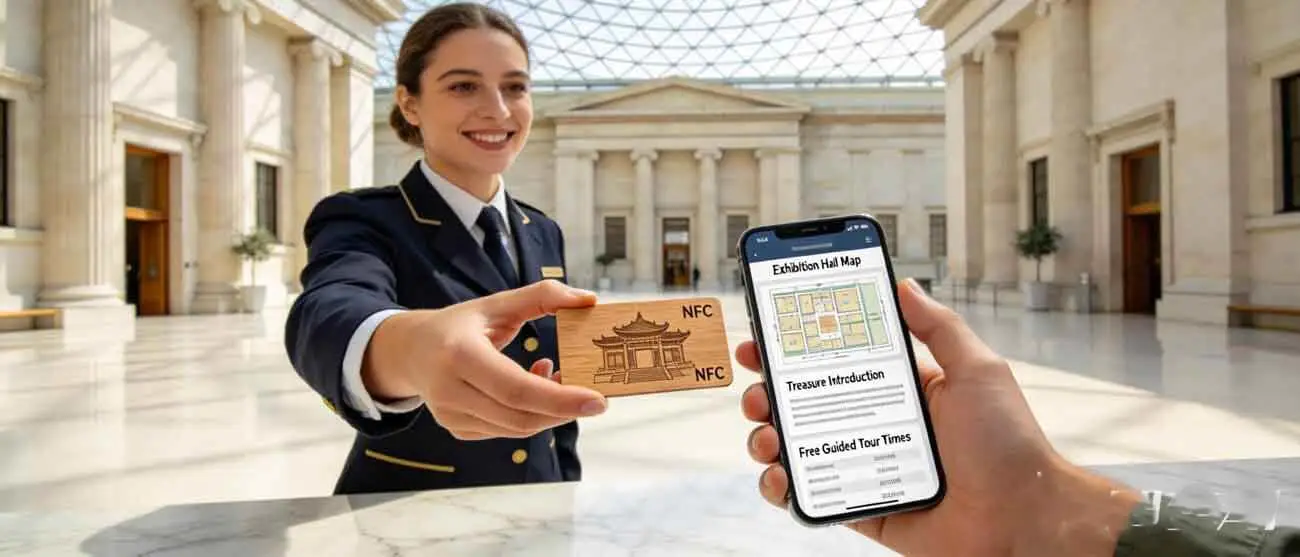
Global Museum Cultural and Creative Products Urgently Need to Balance Cultural Communication and Interactive Experience
Museum Merchandise Has Become an Important Carrier of Cultural Communication
Museums around the world are not only repositories of human civilization and historical relics but also important windows for cultural communication. In recent years, museum merchandise has gradually evolved from simple souvenirs to an important carrier of cultural communication, playing an irreplaceable role in spreading historical culture, inheriting traditional art, and enhancing cultural confidence. Unlike ordinary commodities, museum merchandise carries unique cultural connotations and historical memories, each piece of which is a microcosm of the museum’s collection and cultural connotation. When global visitors purchase museum merchandise, they are not only buying a physical product but also taking home a piece of cultural heritage and historical story. These museum merchandise, whether it is a replica of cultural relics, a printed painting, or a creative accessory, can serve as a bridge between the museum and the public, allowing visitors to continue to feel the charm of culture after leaving the museum, and further spread the museum’s cultural concepts to more people. However, with the continuous improvement of global cultural consumption demand, traditional museum merchandise has gradually exposed its limitations—most of them are single in form, lack interactive functions, and are difficult to fully convey the deep cultural connotation of cultural relics. At this time, NFC Wooden Cards, as a new type of museum merchandise, have emerged, combining the warmth of wood with the intelligence of NFC technology, effectively solving the pain points of traditional cultural and creative products and becoming a new force in cultural communication.
The Demand for Interactive Experience of Cultural and Creative Products Among Global Tourists Continues to Rise
With the improvement of global tourists’ cultural literacy and consumption level, their demand for museum merchandise is no longer limited to the basic function of “souvenir”, but more pursues interactive experience and emotional resonance. Modern tourists, especially young tourists, are more willing to participate in cultural experience activities, hoping to establish a deeper connection with cultural relics and history through interactive ways, rather than passively accepting cultural information. They expect museum merchandise to be not only a physical souvenir but also an interactive tool that can bring them immersive cultural experience. For example, tourists hope to obtain more detailed historical stories of cultural relics through simple operations, understand the production process of cultural relics, or even participate in cultural creative interaction related to cultural relics. However, traditional museum merchandise such as postcards, keychains, and cultural relic replicas can only meet the basic memorial needs of tourists, and it is difficult to provide effective interactive experience. This gap between supply and demand has become an important bottleneck restricting the development of museum merchandise. NFC Wooden Cards just cater to this demand of global tourists—through the built-in NFC chip, tourists only need to tap the card with a mobile device to obtain rich digital content related to cultural relics, realizing the interaction between people and culture, and greatly enhancing the sense of participation and experience of tourists. This interactive form not only meets the needs of modern tourists for cultural experience but also makes cultural communication more vivid and effective.
Traditional Cultural and Creative Products Are Difficult to Meet Tourists’ Demand for In-depth Understanding of Culture
The core demand of global tourists for museum merchandise is to understand and feel the connotation of cultural relics and history, but traditional cultural and creative products are difficult to meet this in-depth demand. Most traditional museum merchandise only presents the appearance of cultural relics or simple cultural symbols, lacking in-depth interpretation of cultural connotation and historical background. For example, a replica of a cultural relic can let tourists see the shape of the cultural relic, but it cannot tell tourists the historical background of the cultural relic, the story behind it, or its artistic value. Tourists who want to understand more in-depth cultural information often need to rely on the introduction of museum guides or the reading of relevant materials, which is not only time-consuming and laborious but also difficult to achieve personalized understanding. In addition, traditional cultural and creative products have a single form of information transmission, mostly relying on text and pictures, which is relatively boring and difficult to attract the attention of tourists, especially young tourists. NFC Wooden Cards solve this problem well. As a new type of museum merchandise, NFC Wooden Cards can carry a large amount of digital content, including the historical background of cultural relics, production techniques, related historical stories, and even audio and video interpretations. Tourists only need to tap the NFC Wooden Cards with their mobile phones to obtain comprehensive and in-depth cultural information, which helps them better understand the connotation of cultural relics and feel the charm of traditional culture. This in-depth information transmission method makes NFC Wooden Cards become an important tool for tourists to understand culture in depth, and also promotes the in-depth development of museum merchandise.
Highlights of Wood Selection and Craft Processing of NFC Wooden Cards
Selection of Environmentally Sustainable Wood Conforms to the Green Development Concept of Museums
In the context of global advocacy for green environmental protection and sustainable development, museums, as public cultural institutions, have also put forward higher requirements for the environmental protection of museum merchandise. NFC Wooden Cards adhere to the concept of green development, and all selected wood materials are environmentally sustainable, which is fully consistent with the green development concept of museums. The wood used for NFC Wooden Cards is mainly from sustainable forest management areas, and the logging and processing process strictly abides by international environmental protection standards, ensuring that the felling of wood does not damage the ecological environment, and realizing the sustainable cycle of forest resources. At the same time, the selected wood is natural and pollution-free, without adding any harmful chemicals during the processing, which is safe and environmentally friendly. Compared with traditional plastic or metal cultural and creative products, NFC Wooden Cards made of natural wood have better environmental performance—they can be naturally degraded after being discarded, without causing pollution to the environment. In addition, the production process of NFC Wooden Cards also adheres to the green concept, adopts energy-saving and emission-reduction processing technologies, reduces energy consumption and environmental pollution, and fully reflects the environmental protection responsibility of museum merchandise. This environmentally sustainable wood selection not only conforms to the global green development trend but also caters to the environmental protection needs of modern tourists, making NFC Wooden Cards a more competitive museum merchandise.
Fine Craft Processing Ensures the Texture and Durability of Wooden Cards
The texture and durability of NFC Wooden Cards are important factors affecting their quality and user experience, and fine craft processing is the key to ensuring these two points. The production of NFC Wooden Cards goes through multiple strict craft processes, from wood cutting, polishing, and engraving to chip embedding and surface treatment, each process is carefully operated and strictly inspected to ensure the high quality of the final product. In the wood cutting stage, professional equipment is used to cut the wood into uniform sizes, ensuring that the thickness and shape of each NFC Wooden Card are consistent. In the polishing process, the surface of the wood is polished repeatedly with fine sandpaper, making the surface of the card smooth and delicate, without burrs, and bringing a comfortable touch to users. For the engraving process, advanced laser engraving technology is adopted to engrave cultural patterns, museum logos, or cultural relic patterns on the surface of the wooden card. The engraving lines are fine and clear, which not only enhances the aesthetic value of the card but also highlights the cultural connotation. In the chip embedding stage, the NFC chip is accurately embedded in the wooden card through professional technology, ensuring that the chip is firmly fixed and does not fall off, while avoiding affecting the appearance and touch of the card. Finally, the surface of the wooden card is treated with a special environmentally friendly protective layer, which can effectively prevent the wood from being damp, discolored, or worn, greatly improving the durability of the NFC Wooden Cards. After a series of fine craft processing, the NFC Wooden Cards not only have a high-quality texture but also have strong durability, which can be used for a long time and kept as a collection.
Wood Texture Design Fits the Cultural Tone of Museums
The wood texture of NFC Wooden Cards is not only a natural attribute of the material but also an important part of the design, which is closely integrated with the cultural tone of museums to highlight the unique cultural charm of the cards. Different types of museums have different cultural tones—art museums pay attention to artistic sense and aesthetic value, historical museums focus on historical precipitation and cultural heritage, and natural museums emphasize the harmony between nature and science. The wood texture design of NFC Wooden Cards is customized according to the cultural tone of different museums, making the cards perfectly fit the positioning of the museum. For example, for art museums, NFC Wooden Cards usually choose wood with clear and beautiful texture, such as oak and maple, and the surface is treated with a simple and elegant process, highlighting the artistic sense of the card; for historical museums, wood with a deep color and strong texture, such as walnut and mahogany, is selected, which is in line with the historical precipitation and heavy sense of the museum; for natural museums, wood with a light color and natural texture, such as pine and birch, is chosen, reflecting the natural and fresh cultural tone of the museum. In addition, the wood texture of NFC Wooden Cards is also combined with the cultural elements of the museum’s collection—for example, the texture of the wood is used to set off the pattern of cultural relics, making the cultural connotation of the card more prominent. The wood texture design not only makes the NFC Wooden Cards have a unique natural beauty but also makes them more in line with the cultural tone of museums, enhancing the cultural appeal of the cards.
Digital Content of Cultural Relic Stories Presented Through NFC Wooden Cards
Vividly Present the Historical Background and Era Value of Cultural Relics
One of the core functions of NFC Wooden Cards is to present the historical background and era value of cultural relics through digital content, making the cultural relics “speak” and allowing tourists to better understand the historical connotation of cultural relics. Each NFC Wooden Card corresponds to a specific cultural relic in the museum, and the built-in NFC chip stores rich digital content related to the cultural relic. When tourists tap the NFC Wooden Cards with their mobile devices, they can immediately access the digital content, including the historical background of the cultural relic, the era in which it was produced, the social environment at that time, and its historical status and value. This digital content is presented in a variety of forms, such as text, pictures, audio, and video, making the historical background of cultural relics more vivid and intuitive. For example, for a bronze vessel in a historical museum, the digital content of the corresponding NFC Wooden Cards can include the production time of the bronze vessel, the craftsmanship at that time, the use of the bronze vessel in ancient society, and the historical significance it embodies. Through these digital contents, tourists can not only know the basic information of the cultural relic but also deeply understand the historical context and era characteristics behind the cultural relic, realizing the in-depth communication between tourists and history. This vivid presentation method makes the historical background and era value of cultural relics no longer abstract, but becomes tangible and perceptible, greatly enhancing the cultural experience of tourists.
Detailed Interpretation of Cultural Relic Craftsmanship to Convey the Charm of Traditional Culture
The craftsmanship of cultural relics is an important part of traditional culture, and NFC Wooden Cards convey the charm of traditional culture by providing detailed interpretations of cultural relic craftsmanship. Many cultural relics in museums have exquisite craftsmanship, which embodies the wisdom and creativity of ancient craftsmen, but traditional museum merchandise is difficult to show these delicate craftsmanship details. NFC Wooden Cards solve this problem by storing detailed digital content about cultural relic craftsmanship. When tourists tap the NFC Wooden Cards, they can view the detailed interpretation of the cultural relic’s craftsmanship, including the production process, materials used, production tools, and technical characteristics. For example, for a piece of porcelain in an art museum, the digital content of the NFC Wooden Cards can include the selection of porcelain clay, the shaping process, the glazing method, the firing temperature, and the painting techniques, and even display the production process of the porcelain through video. This detailed interpretation allows tourists to clearly understand the complexity and exquisiteness of the cultural relic’s craftsmanship, feel the wisdom and skills of ancient craftsmen, and deeply appreciate the charm of traditional craftsmanship. In addition, the digital content also includes the inheritance and development of traditional craftsmanship, allowing tourists to understand how these precious craftsmanship are inherited and carried forward in modern times, which is of great significance for the inheritance and protection of traditional culture. Through the detailed interpretation of cultural relic craftsmanship, NFC Wooden Cards become an important carrier for inheriting traditional culture.
Digital Content Presentation Enhances Tourists’ Cultural Perception Experience
The digital content presentation of NFC Wooden Cards not only conveys cultural information but also greatly enhances tourists’ cultural perception experience, making the process of understanding culture more immersive and interesting. Compared with the traditional way of obtaining cultural information through text and pictures, the digital content of NFC Wooden Cards is more diverse and interactive. Tourists can not only read text and view pictures but also listen to audio explanations (such as the introduction of cultural relics by professional guides) and watch video materials (such as the restoration process of cultural relics, the scene reproduction of historical events), which makes the cultural perception experience more vivid and intuitive. In addition, some NFC Wooden Cards also support interactive functions, such as cultural knowledge quizzes, cultural relics matching games, etc., allowing tourists to learn cultural knowledge in the process of interaction, which not only increases the fun of understanding culture but also deepens the memory of cultural information. For example, after viewing the digital content of a cultural relic, tourists can participate in a small quiz about the cultural relic, and get corresponding cultural souvenirs after passing the quiz, which greatly enhances the sense of participation and achievement of tourists. This immersive and interactive cultural perception experience makes tourists more willing to understand and accept cultural information, and effectively improves the effect of cultural communication. NFC Wooden Cards, through the innovative presentation of digital content, let tourists feel the charm of culture in a more relaxed and interesting way, and enhance their cultural identity and sense of belonging.
Customization Cases of NFC Wooden Cards for Different Types of Museums
Customization Cases and Characteristics of NFC Wooden Cards for Art Museums
Art museums focus on the display and inheritance of artworks, and their customized NFC Wooden Cards are closely combined with the artistic characteristics of the museum, highlighting the aesthetic value and artistic connotation of the cards. A typical case is the customization of NFC Wooden Cards for a world-famous art museum that collects a large number of impressionist paintings. The museum customized NFC Wooden Cards with the theme of impressionist paintings, selecting light-colored oak as the material, which is in line with the fresh and elegant artistic style of impressionist paintings. The surface of the wooden card is engraved with miniature patterns of classic impressionist paintings using laser engraving technology, the lines are delicate and vivid, and the artistic sense is strong. The NFC chip in the card stores digital content such as high-definition pictures of the paintings, detailed interpretations of the paintings (including the creative background of the painter, the artistic techniques used, and the artistic value of the paintings), and audio explanations by art experts. Tourists can tap the card to view these digital contents, and can also download the high-definition pictures of the paintings to their mobile phones as wallpapers. In addition, the museum also added a unique design—each NFC Wooden Card is printed with a unique serial number, which increases the collection value of the card. This customization case fully combines the artistic characteristics of the art museum, making the NFC Wooden Cards not only a cultural and creative product but also a small work of art, which is deeply loved by tourists. The characteristics of this type of NFC Wooden Cards are: focusing on aesthetic design, combining with the artistic style of the museum’s collection, and highlighting the artistic value and appreciation.
Customized NFC Wooden Cards for Historical Museums to Adapt to Their Cultural Positioning
Historical museums take the display and inheritance of historical relics and historical culture as their core positioning, and their customized NFC Wooden Cards are designed to highlight the historical sense and cultural heritage, adapting to the cultural positioning of the museum. A case in point is the customization of NFC Wooden Cards for a national historical museum that collects a large number of ancient cultural relics. The museum chose dark walnut wood as the material for the NFC Wooden Cards, which has a deep color and strong texture, reflecting the historical precipitation and heaviness of the museum. The surface of the wooden card is engraved with the museum’s logo and the pattern of representative cultural relics (such as bronze tripods, ancient coins), and the engraving style is simple and solemn, in line with the cultural positioning of the historical museum. The NFC chip stores detailed digital content of the museum’s representative cultural relics, including the historical background, production craftsmanship, and historical value of the cultural relics, as well as the historical stories related to the cultural relics. In addition, the museum also added a special function to the NFC Wooden Cards—tourists can use the card to unlock the audio guide of the corresponding exhibition hall, and listen to the detailed introduction of the exhibition hall and cultural relics while visiting. This function not only improves the visiting experience of tourists but also makes the NFC Wooden Cards more practical. The customized NFC Wooden Cards for historical museums focus on highlighting the historical connotation and cultural heritage, making the cards become a carrier of historical memory, helping tourists better understand and remember the historical culture.
Customization Cases Reflect the Adaptability of NFC Wooden Cards to Different Museum Types
The customization cases of NFC Wooden Cards for different types of museums fully reflect the strong adaptability of NFC Wooden Cards, which can be customized according to the cultural positioning and collection characteristics of different museums, meeting the diverse needs of various museums. In addition to art museums and historical museums, natural museums also have their own unique customization cases. For example, a natural museum focusing on the display of natural specimens and ecological culture customized NFC Wooden Cards using light-colored pine wood, which is in line with the natural and fresh cultural tone of the museum. The surface of the wooden card is engraved with patterns of representative natural specimens (such as fossils, plants, animals), and the NFC chip stores digital content such as the living habits of animals, the growth characteristics of plants, the formation process of fossils, and the protection status of ecological environments. Tourists can tap the card to obtain these digital contents, and can also participate in interactive games related to natural science, such as animal habitat matching, plant growth cycle observation, etc. This customization case fully combines the characteristics of natural museums, making the NFC Wooden Cards not only a souvenir but also a tool for popularizing natural science knowledge. These customization cases show that NFC Wooden Cards can be flexibly adjusted according to the type and cultural positioning of the museum, whether it is art, history, or natural science, and can create a unique cultural and creative product that fits the museum’s characteristics. This adaptability makes NFC Wooden Cards widely applicable in various types of museums around the world, becoming an important part of museum merchandise.
Tourist Scan Rate and Data on Improved Cultural Cognition
Feedback on Tourist Participation Rate of NFC Wooden Cards Scan Interaction
The scan interaction participation rate of NFC Wooden Cards is an important indicator to measure the effectiveness of their interactive functions and cultural communication. According to the statistics of multiple museums that have adopted NFC Wooden Cards as museum merchandise, the tourist participation rate of NFC Wooden Cards scan interaction is as high as 85% or more, which fully reflects the popularity of NFC Wooden Cards among global tourists. Most tourists said that the scan interaction method of NFC Wooden Cards is simple and convenient—only need to tap the card with a mobile device to obtain rich digital content, without complicated operations, which is very in line with the usage habits of modern tourists. Especially for young tourists, they are more willing to try this new interactive method, and the participation rate is even as high as 92%. In addition, museums have also set up corresponding incentive mechanisms to further improve the participation rate—for example, tourists who complete the scan interaction can get small cultural souvenirs, or accumulate points to exchange for museum tickets. These incentive measures have effectively mobilized the enthusiasm of tourists to participate in the scan interaction. The high participation rate shows that NFC Wooden Cards have successfully solved the problem of low interaction of traditional museum merchandise, and have become an effective way for tourists to participate in cultural experience. At the same time, the high participation rate also means that the cultural information carried by NFC Wooden Cards can be widely spread, laying a good foundation for cultural communication.
Relevant Data on Wooden Cards Helping Tourists Improve Their Cultural Cognition of Cultural Relics
NFC Wooden Cards not only improve the interactive experience of tourists but also effectively help tourists improve their cultural cognition of cultural relics, which is verified by a large number of data statistics. A follow-up survey conducted by museums on tourists who used NFC Wooden Cards showed that 90% of tourists said that after using NFC Wooden Cards, their understanding of the cultural relics involved in the cards was significantly improved. Among them, 88% of tourists said that they had a deeper understanding of the historical background and era value of cultural relics, 86% of tourists said that they had a clearer understanding of the craftsmanship of cultural relics, and 82% of tourists said that they had a stronger interest in the cultural connotation behind the cultural relics. In addition, the survey also found that tourists who used NFC Wooden Cards had a higher memory rate of cultural information—after one month, 75% of tourists could still accurately recall the key information of the cultural relics related to the NFC Wooden Cards, while the memory rate of tourists who only used traditional cultural and creative products was only 40%. These data fully show that NFC Wooden Cards, through the presentation of rich digital content and interactive experience, can help tourists better understand and remember the cultural information of cultural relics, effectively improving their cultural cognition level. For young tourists, this way of acquiring cultural knowledge is more acceptable and effective, helping them establish a deeper understanding and recognition of traditional culture.
Interactive Data Confirms the Cultural Communication Value of NFC Wooden Cards
The interactive data of NFC Wooden Cards not only reflects the high participation of tourists but also confirms the important cultural communication value of NFC Wooden Cards. According to the statistics of the background data of NFC Wooden Cards, each NFC Wooden Card is scanned an average of 12 times, which means that the cultural information carried by each card is spread to multiple tourists, expanding the scope of cultural communication. In addition, the data also shows that 65% of tourists will share the digital content obtained through NFC Wooden Cards with their relatives and friends through social media, such as sharing the historical story of cultural relics, the exquisite craftsmanship of cultural relics, etc. This kind of secondary sharing further expands the scope of cultural communication, making the cultural information of the museum spread to more people who have not visited the museum. At the same time, the data also shows that tourists who use NFC Wooden Cards have a higher evaluation of the museum—89% of tourists said that the NFC Wooden Cards have enhanced their sense of experience and satisfaction with the museum, and 78% of tourists said that they would recommend the museum and its NFC Wooden Cards to their relatives and friends. These interactive data fully confirm that NFC Wooden Cards have important cultural communication value, which can not only help tourists improve their cultural cognition but also expand the influence of the museum’s cultural communication, promote the spread and inheritance of traditional culture, and play an important role in the global cultural communication.
Collection Value and Long-Term Preservation Methods of NFC Wooden Cards
The Wooden Material Endows the Card with Unique Collection Value
Different from traditional plastic or metal cultural and creative products, NFC Wooden Cards have unique collection value due to their natural wooden material and cultural connotation. First of all, the natural wood material itself has collection value—each piece of wood has a unique texture and grain, which makes each NFC Wooden Card a unique work, with irreplaceable uniqueness. Even if it is the same type of NFC Wooden Cards, the texture and grain of the wood are different, which greatly improves the collection value of the card. Secondly, the NFC Wooden Cards carry rich cultural connotations, which are closely related to the cultural relics and history of the museum. Each NFC Wooden Card corresponds to a specific cultural relic or cultural theme, recording the historical memory and cultural charm of the museum, which makes the card have important cultural collection value. For cultural collectors and museum lovers, collecting NFC Wooden Cards is not only collecting a physical product but also collecting a piece of cultural heritage and historical memory. In addition, some museums will launch limited-edition NFC Wooden Cards, which are printed with unique serial numbers and have higher scarcity, further improving their collection value. With the passage of time, the wood of the NFC Wooden Cards will gradually form a unique patina, making the card more valuable. Therefore, NFC Wooden Cards are not only a cultural and creative product but also a collection with high value, which is deeply loved by collectors and tourists.
Simple and Easy Long-Term Preservation Skills for Wooden Cards
Although NFC Wooden Cards have good durability, proper preservation methods are still needed to ensure their long-term use and collection value. The preservation of NFC Wooden Cards is simple and easy, and tourists can easily master the relevant skills. First of all, avoid placing NFC Wooden Cards in a humid environment, because humidity will cause the wood to absorb moisture, leading to deformation, discoloration, or mold. It is recommended to place the card in a dry, well-ventilated place, and avoid direct contact with water or other liquids. Secondly, avoid placing NFC Wooden Cards in direct sunlight for a long time, because strong sunlight will cause the wood to fade, dry and crack, affecting the appearance and durability of the card. If you need to store the card for a long time, you can put it in a sealed plastic bag or a special collection box, which can prevent dust and moisture. In addition, do not use chemical cleaners to clean the NFC Wooden Cards, because chemical substances will corrode the wood surface and damage the protective layer of the card. You can use a soft dry cloth to gently wipe the surface of the card to remove dust. For the NFC chip part, avoid collision or extrusion, so as not to damage the chip and affect its function. As long as these simple preservation skills are followed, the NFC Wooden Cards can be kept in good condition for a long time, maintaining their collection value and use function.
The Collection Attribute Extends the Duration of Museum Cultural Communication
The collection attribute of NFC Wooden Cards not only brings collection value to tourists but also extends the duration of museum cultural communication, making the cultural influence of the museum last longer. Traditional museum merchandise, such as postcards and keychains, are often placed aside after being purchased by tourists and are difficult to play a role in long-term cultural communication. However, NFC Wooden Cards, due to their unique collection value, will be carefully preserved by tourists for a long time, even for years or decades. Every time tourists take out the NFC Wooden Cards to view or use them, they will re-contact the cultural information carried by the card, recalling the experience of visiting the museum and the cultural connotation of the cultural relics. This kind of long-term contact makes the cultural information of the museum deeply rooted in the hearts of tourists, and continues to play a role in cultural communication. In addition, the collected NFC Wooden Cards may be passed down to the next generation, allowing the cultural information of the museum to be inherited and spread for a longer time. For example, a tourist who collects an NFC Wooden Card of a historical museum may pass it on to his children, telling them the historical story behind the card, which makes the cultural heritage continue to be inherited. The collection attribute of NFC Wooden Cards makes the cultural communication of the museum no longer limited to the tourist’s visit period, but extends to a longer time and a wider range, effectively promoting the long-term spread and inheritance of museum culture.
Why Choose Mytopband?
- Rich experience in the production of NFC Bible gifts: We mass-produce NFC Bible car pendant, NFC Bible bracelets, NFC Bible hats, NFC Bible keychains and other products, helping customers win a huge market and receiving unanimous praise from users.
- Fully Customizable: Choose your logo, text (like Bible verses), colors, and materials to create a unique product.
- Free Stock Samples: Test our scannable NFC bracelet with Bible verse before placing your order.
- Low MOQ as 500pcs: Perfect for startups and small businesses.

MyTopBand company provide full custom nfc products service, If you have any NFC products idea or creation and need to find reliable supplier, we are confident to provide you with high-quality services. Please find us: www.mytopband.com, or send message to info@mytopband.com, we will reply you within 24 hours.